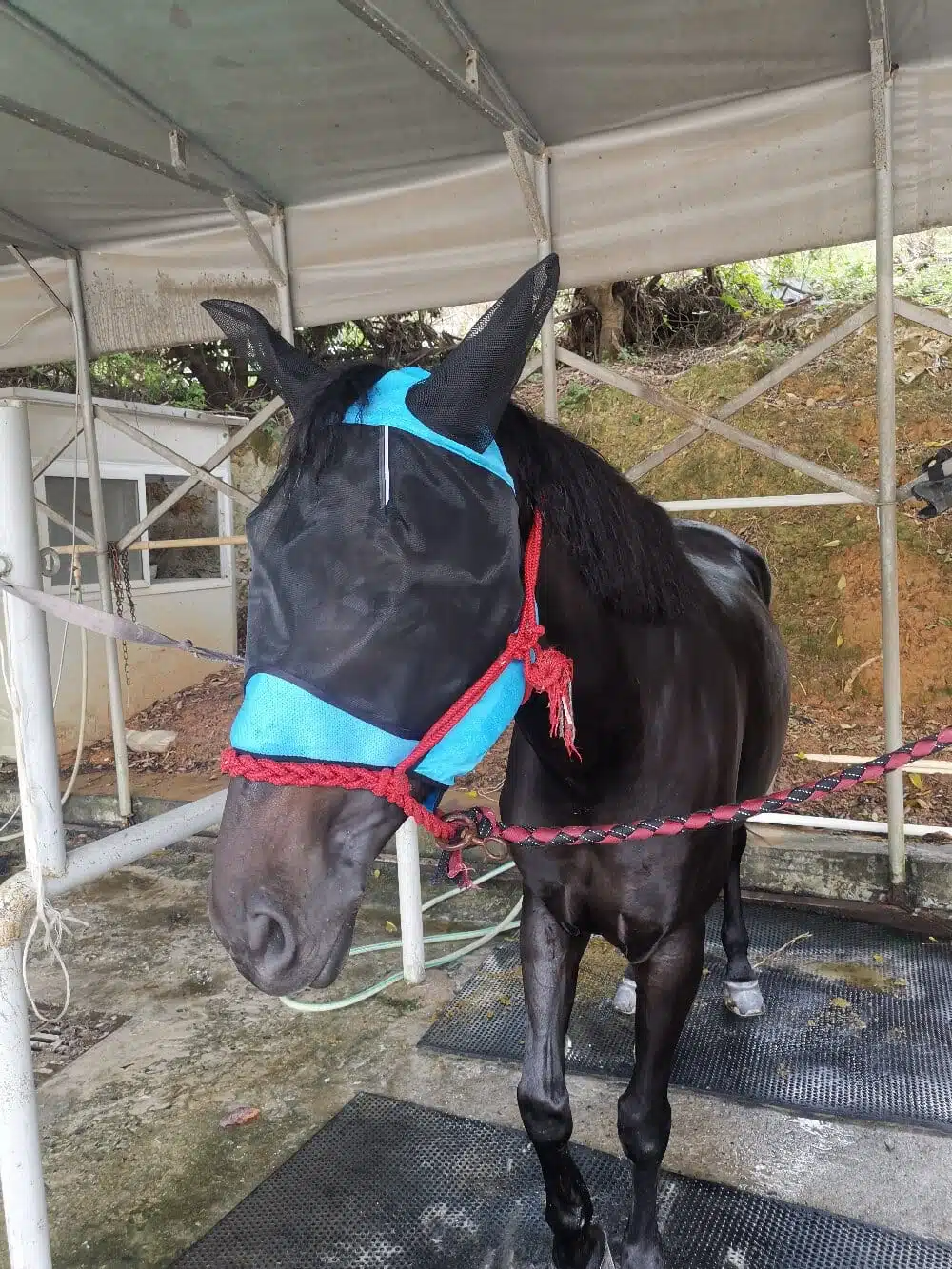

Long before synthetic fabrics and modern equestrian catalogs, horse owners understood a simple truth: flies are more than a nuisance. In the days of working horses, draft animals, and cavalry mounts, a horse fly mask was often a makeshift affair—leather strips, woven netting, or oiled cloth tied hastily around the head. I find it fascinating that despite the crude materials, the fundamental purpose has barely changed in centuries. The goal was always the same: shield sensitive eyes and ears from biting insects, reduce head tossing, and keep the animal calm enough to work. Those early efforts were born of necessity rather than fashion, and I think that practical spirit still defines the best designs today.
From Folk Remedies to Purpose-Built Gear
During the eighteenth and nineteenth centuries, stable managers experimented with all sorts of improvised protection. Some smeared greasy mixtures around the eyes, while others stitched together mesh veils from fishing net or cheesecloth. I would argue these were the true ancestors of the modern fly mask for horses. They were imperfect, often uncomfortable, and prone to rubbing, but they proved a point: physical barriers worked better than repellent alone. By the early twentieth century, saddlers and harness makers began producing more refined versions, often with reinforced edges and adjustable straps. The shift from homemade stopgaps to catalog products marked an important turning point, and I believe it reflected a growing recognition that equine comfort deserved real investment.
Materials That Changed Everything
The mid-twentieth century brought synthetic fibers, and with them a quiet revolution. Nylon mesh, polyester blends, and breathable knits replaced heavy canvas and coarse netting. Suddenly a horse fly mask could be lightweight, washable, and genuinely comfortable for long hours in the pasture. I have to admit a certain admiration for this era of innovation—designers started adding fleece trim to prevent rub marks, adding ear covers for extra defense, and introducing UV-blocking fabrics that protected pale-skinned horses from sunburn. These were not glamorous breakthroughs, but they mattered enormously to everyday riders and barn owners. The market expanded from utilitarian farm supply to specialized tack shops, and the humble face covering gained a permanent place in the grooming kit.
Design Evolution and Today’s Standards
Looking at the current landscape, I see a category that has matured considerably. Modern products range from simple mesh eye guards to full-coverage masks with nose extensions and removable ear bonnets. Fit has become a science, with sizing charts for ponies, Arabians, draft breeds, and everything in between. Features I once considered luxuries—double-locking hook-and-loop closures, darted shaping around the cheekbones, reflective piping—are now common expectations. Here is what I consider the essential checklist for a quality fly mask:
- Fine mesh that blocks tiny gnats without restricting vision
- Soft binding or fleece edging to prevent pressure sores
- Adjustable straps that stay secure without over-tightening
- UV protection rated fabric for summer turnout
- Machine-washable construction for hygiene and longevity
I also appreciate that manufacturers now consult with veterinarians and equine behaviorists, a level of rigor that earlier generations could only dream of. The result is gear that balances protection, durability, and welfare far better than the improvised veils of the past.
A Lasting Legacy of Care
What strikes me most about this history is continuity. Whether it was a nineteenth-century stable hand tying muslin around a draft horse’s head or a contemporary owner selecting a breathable mesh guard online, the motivation remains identical—protecting a partner from irritation and disease. Seasonal ailments, from conjunctivitis to sweet itch, still make reliable face protection indispensable. I would argue that the horse fly mask deserves more credit than it receives; it is a modest piece of equipment with an outsized impact on comfort and health. Looking back across the centuries, the story is not one of dramatic leaps but of steady refinement, guided by observation and common sense. For anyone heading to the barn this summer, that long tradition of practical care is worth remembering—and honoring with a well-fitted mask.