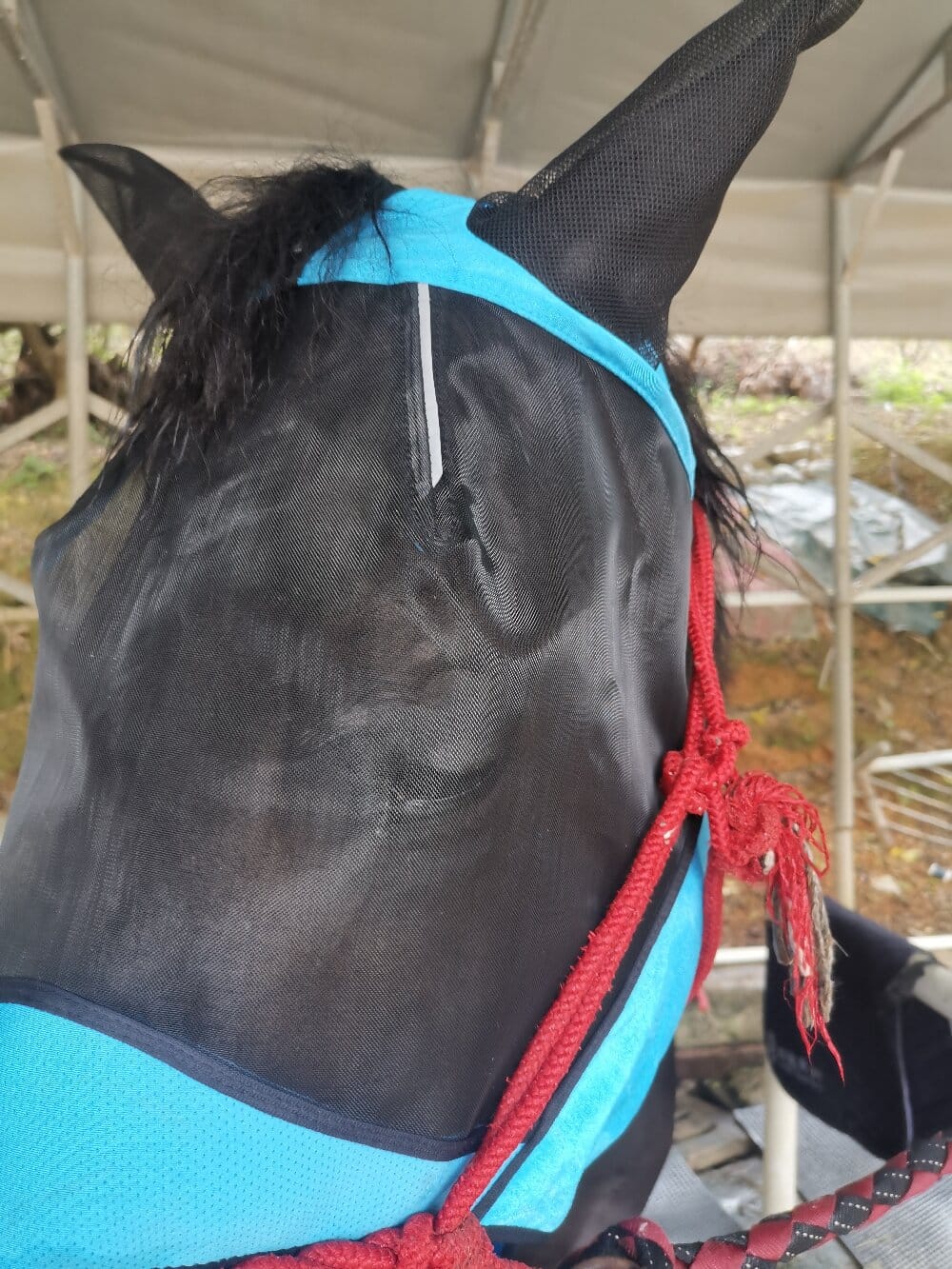
The horse fly mask is a familiar piece of equestrian equipment today, but its development reflects a long history of adapting to the persistent nuisance of flying insects. Before synthetic materials and modern manufacturing, horsemen in agricultural and pastoral societies recognized that flies, gnats, and other biting insects could cause more than discomfort. Irritation around the eyes and ears often led to head shaking, reduced performance, and in some cases, infection or injury. Early protective coverings were rudimentary, often made from cloth, leather strips, or woven plant fibers attached to the bridle or halter. These devices were not standardized, and their use varied widely by region, climate, and the resources available to the handler.
From Folk Remedies to Specialized Equipment
During the eighteenth and nineteenth centuries, as equestrian activities became more organized—particularly in military cavalry, carriage driving, and later competitive riding—interest in managing insect pests grew. Historical accounts and stable management guides from this period occasionally mention face coverings intended to shield the eyes and muzzle from flies. These were typically handmade and fitted loosely, prioritizing airflow over precise fit. The concept was practical rather than commercial: a fly mask was something a groom or stable hand might fashion from spare fabric, not a branded product purchased from a catalogue.
Materials and Design in the Industrial Era
The late nineteenth and early twentieth centuries brought advances in textile production and veterinary awareness. Fine-mesh fabrics, originally developed for other purposes such as screening and filtration, began to be adapted for equine use. This shift marked an important transition: instead of opaque cloth that restricted vision, mesh allowed horses to see while still blocking flying insects. Designers also started to consider anatomical fit, adding openings for the ears and contouring the mask around the eyes. Still, adoption remained inconsistent, and many riders relied on traditional fly veils, ointments, and stable ventilation rather than face coverings.
The Modern Horse Fly Mask and Its Evolution
The latter half of the twentieth century saw the horse fly mask move from a niche item to a mainstream piece of tack. Several factors contributed to this change. Synthetic meshes became more durable, lightweight, and resistant to tearing. Manufacturers began offering multiple sizes and styles, including masks with ear covers, nose extensions, and fleece trim to reduce rubbing. Veterinary research also highlighted the role of insect control in preventing eye conditions such as conjunctivitis and corneal ulcers, giving owners a clearer rationale for protective equipment. By the 1980s and 1990s, equestrian catalogues routinely featured fly masks alongside fly sheets and insect repellents, and the product had become a standard seasonal purchase in many stables.
Contemporary Perspectives and Continuing Refinement
Today, the horse fly mask is evaluated on criteria that earlier makers could scarcely have imagined: UV protection ratings, breathability, visibility, durability, and comfort during turnout and exercise. Manufacturers test fabrics for resistance to snagging and fading, while riders consider factors such as fit around the bridle and compatibility with fly sheets. The historical trajectory—from improvised cloth covers to engineered mesh equipment—illustrates how a simple response to a persistent environmental problem can evolve into a refined, specialized product. Ongoing attention to horse welfare and materials science suggests that further incremental improvements will continue.
Conclusion
Viewed historically, the horse fly mask represents a practical adaptation to a longstanding challenge in horse care. Its development moved from local, handmade solutions to standardized, commercially available equipment, driven by changing materials, veterinary knowledge, and the needs of modern equestrian management. Understanding this background helps owners appreciate the design features they now take for granted and encourages informed choices when selecting protective gear for their animals.