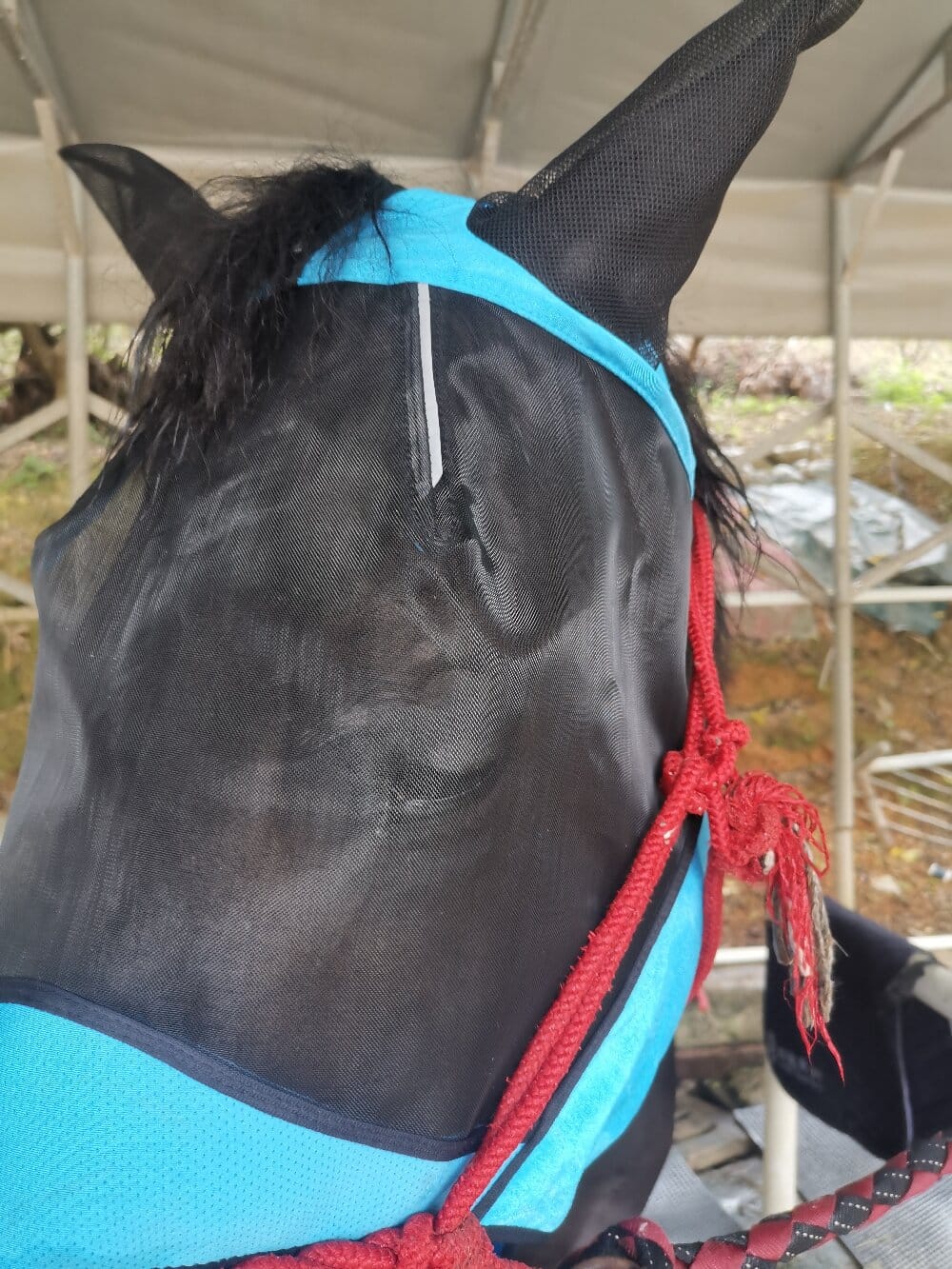
The history of the horse fly mask begins long before synthetic mesh and hook-and-loop straps. For centuries, horsemen in Europe, North Africa, and Asia recognized that flying insects posed a persistent threat to their animals, causing irritation, disease transmission, and reduced performance. Early protection took the form of crude face coverings fashioned from leather strips, woven grasses, or loosely draped cloth. These rudimentary devices offered limited relief, but they established a concept that would endure: shielding the sensitive eyes, ears, and muzzle from biting insects. Historical accounts from medieval stables and cavalry units suggest that simple fringed browbands were used to disturb flies around the eyes, an approach that remained common into the nineteenth century.
From Fringe to Fabric: The Evolution of the Horse Fly Mask
The transition from decorative fringe to functional mesh occurred gradually. During the late nineteenth and early twentieth centuries, agricultural innovation accelerated, and horse owners began experimenting with tighter-fitting covers made from canvas and cheesecloth. These early horse fly masks were heavy and prone to trapping heat, yet they represented a meaningful shift toward purpose-built equine gear. By the mid-twentieth century, the arrival of lightweight nylon and polyester netting transformed the category. Manufacturers could now produce breathable face covers that blocked flies while allowing airflow and visibility. The design language of the modern fly mask—ear covers, fleece binding, and adjustable throat straps—took shape during this period, driven by practical feedback from working stables and riding schools.
Design Standardization and Material Advances
The latter half of the twentieth century saw the horse fly mask move from a niche accessory to a standard item in equine care. Several developments drove this shift:
- Improved mesh densities that blocked tiny biting midges as well as larger flies.
- UV-resistant fabrics that protected pink-skinned horses from sunburn.
- Soft fleece edging to reduce rubbing along the brow and jaw.
- Reflective piping for visibility in low-light conditions.
- Standardized sizing charts based on head measurements rather than breed alone.
Veterinary research also played a role. Studies linking insect bites to conjunctivitis, summer sores, and insect bite hypersensitivity gave owners a clinical rationale for routine mask use. What had once been a seasonal convenience became, for many caretakers, a preventive health measure grounded in evidence rather than tradition.
Contemporary Use and Continuing Refinement
Today, the fly mask for horses appears in pastures, paddocks, and competition venues worldwide. Modern versions incorporate ergonomic ear shapes, nose extensions for grazing animals, and long-lasting fasteners that withstand daily wear. Designers continue to balance protection with comfort, recognizing that a mask left on for hours must not impair sight or hearing. The historical arc—from woven grass to engineered mesh—reflects a broader pattern in equine husbandry: observation of animal discomfort leading to incremental, practical innovation.
Summary
Reviewed historically, the horse fly mask represents a modest but meaningful thread in the story of equine care. Its evolution tracks the shift from folk remedies to material science, and from reactive fiddling to preventive management. Understanding that lineage helps today’s owners appreciate not only the product itself but the accumulated experience behind it.