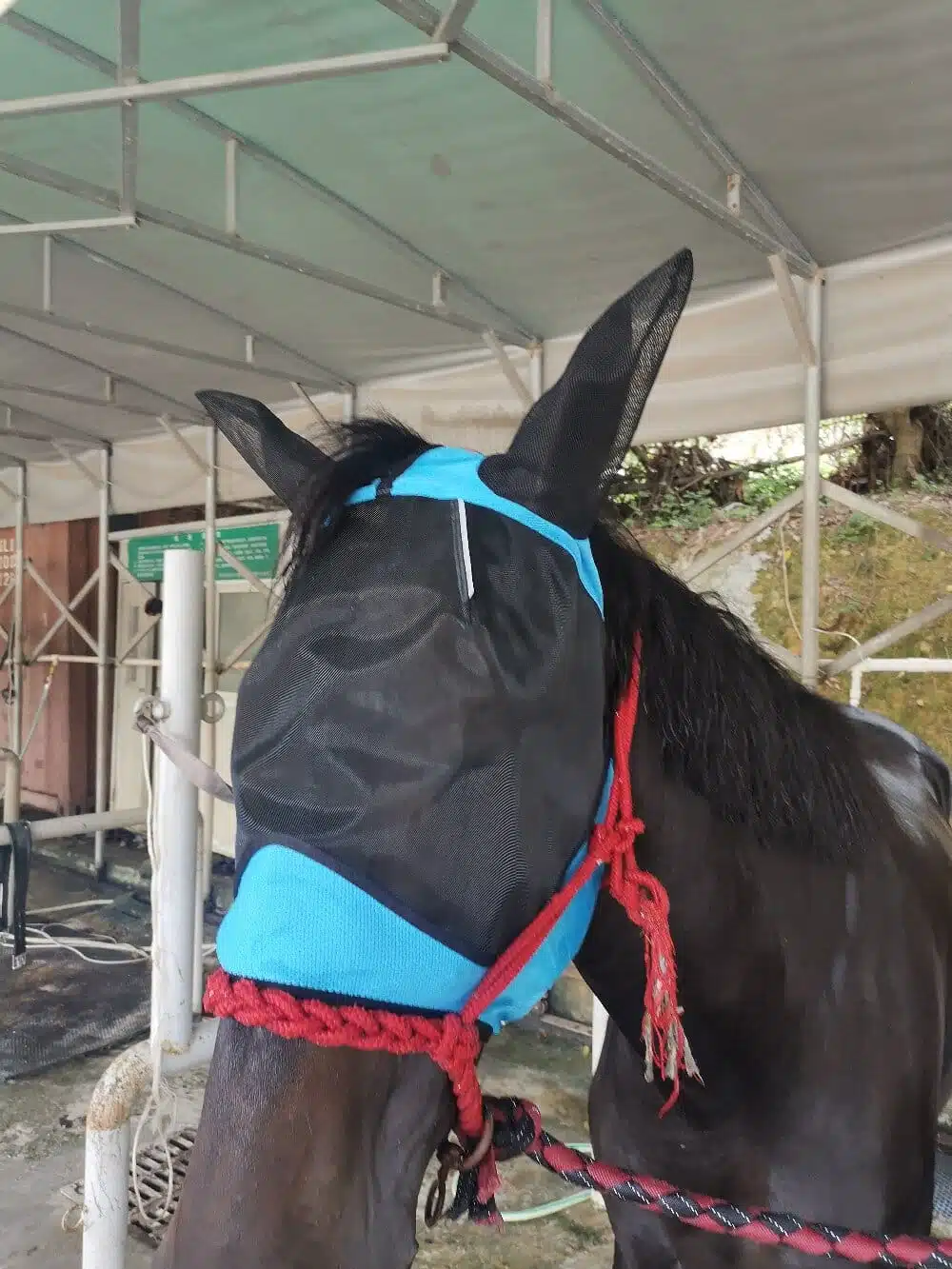

The horse fly mask, a seemingly simple piece of equestrian equipment, carries cultural meanings that extend far beyond its practical function. Across different societies, this protective gear reflects varying relationships between humans and animals, agricultural traditions, and shifting attitudes toward animal welfare. Examining the fly mask for horses through a cultural lens reveals how equestrian practices intertwine with local customs, climate, and philosophies of care.
From Practical Necessity to Cultural Symbol: The Horse Fly Mask
In agricultural communities worldwide, the primary purpose of a fly mask is straightforward: to shield horses from biting insects, ultraviolet rays, and debris. However, the ways different cultures approach this task vary considerably. In Mediterranean regions, where heat and insect activity peak during summer months, riders and stable keepers often treat fly protection as an essential seasonal ritual. In colder northern climates, fly masks appear less frequently but gain importance during the brief, intense insect season.
Beyond climate, cultural attitudes toward animal husbandry shape how fly masks are perceived. In some rural traditions, protective gear is viewed as an extension of responsible stewardship, while other communities prioritize minimal intervention. These divergent perspectives illuminate broader cultural values regarding animal autonomy and human responsibility.
Design, Materials, and Regional Identity
The materials and designs of equine fly protection reflect regional resources and craftsmanship. Historically, communities used what was locally available:
- Woven natural fibers in pastoral societies with strong textile traditions
- Leather-based fringes among cultures with established tanning industries
- Modern synthetic meshes developed in industrialized equestrian markets
These choices are not merely functional; they express regional identity and local knowledge. A fly mask crafted from handwoven materials tells a different cultural story than a mass-produced synthetic version, even though both serve the same protective purpose.
Rituals of Care and the Equestrian Calendar
In many equestrian cultures, the appearance of the fly mask marks a seasonal transition. Stables in warmer regions often schedule grooming and turnout routines around insect activity, and the mask becomes part of a daily regimen that reflects cultural rhythms of work and rest. In competitive equestrian settings, fly masks may be associated with specific disciplines, influencing how riders perceive and use them. These practices reveal how equipment becomes embedded in the social organization of horse care.
Animal Welfare Debates and Changing Perspectives
Contemporary discussions about fly masks for horses reflect evolving cultural attitudes toward animal welfare. Advocates emphasize comfort and protection, while critics raise questions about visibility, fit, and whether certain designs impede natural behavior. These debates mirror wider cultural conversations about how humans justify intervention in animal lives. In some regions, welfare guidelines now recommend specific standards for fly protection, indicating a cultural shift toward formalized care practices.
Conclusion
The horse fly mask serves as a useful entry point for understanding cultural diversity in equestrian life, from regional materials and seasonal routines to welfare philosophies and design choices. By examining this everyday item through a cultural perspective, observers gain insight into how societies balance practicality, tradition, and animal care. The humble fly mask for horses ultimately reflects values far larger than its protective mesh.