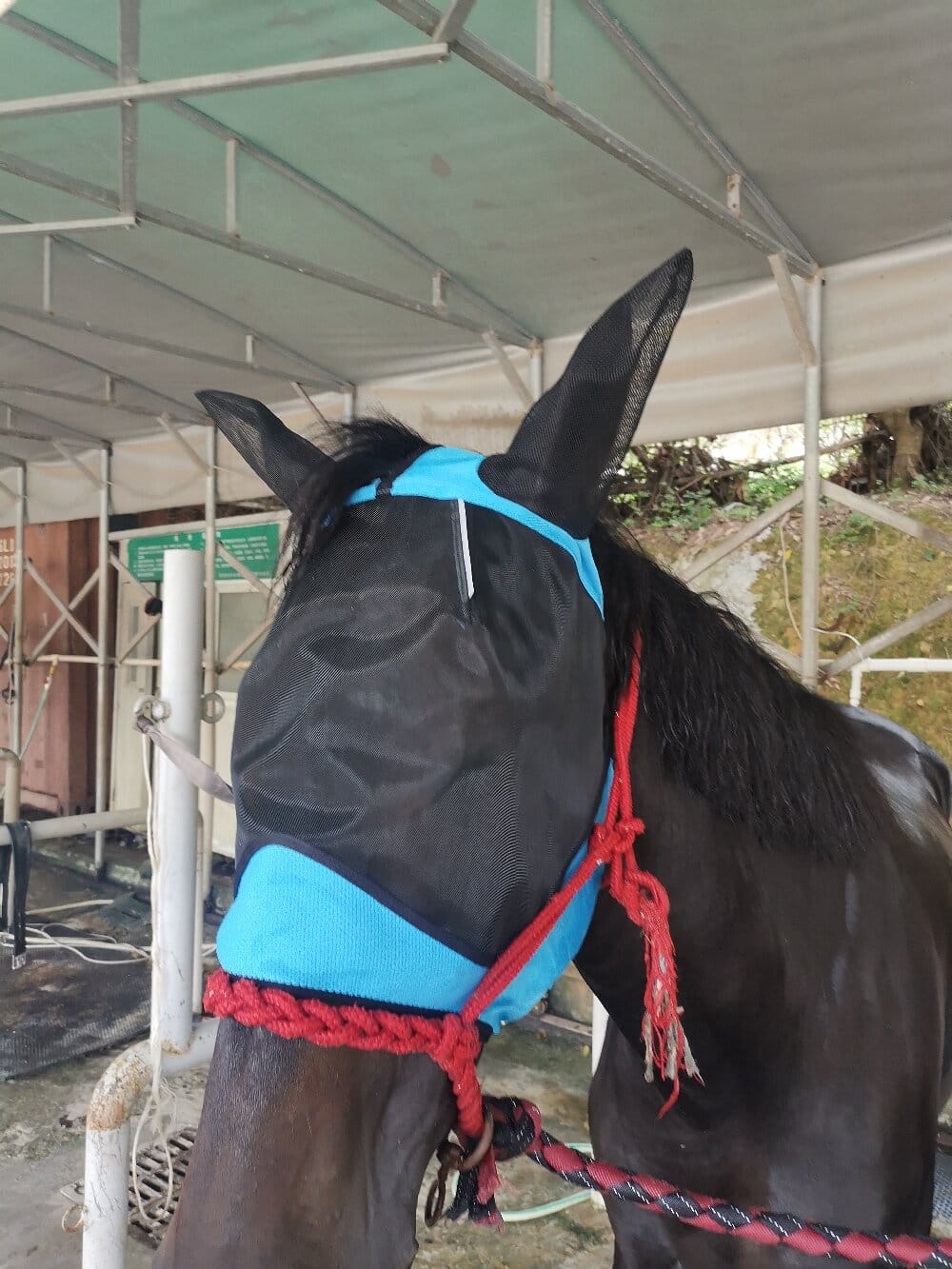
When I first fastened a horse fly mask onto my mare’s head, I thought I was simply solving a practical problem: the relentless summer torment of biting insects. But as I stood in the barn aisle watching her settle, I began to see the fly mask as something more — a small piece of material culture that reflects how humans across the world negotiate their relationship with animals, landscape, and season. In this article, I want to explore the horse fly mask not as a mere piece of tack, but as a cultural artifact with stories woven into its mesh.
From Stable Yard to Cultural Symbol: The Horse Fly Mask in Everyday Ritual
In my own daily routine, the act of putting on a fly mask has become a ritual. It marks the shift from winter stabling to summer turnout, from grooming to grazing. Anthropologists talk about “techniques of the body” — the learned, repeated gestures that bind us to our surroundings. Sliding the mask over a horse’s ears is one such gesture, repeated each morning in yards from Ireland to Australia. It is a quiet act of care that connects me to a global community of horse keepers who share the same seasonal anxieties about flies, sun, and skin health.
Different cultures express this care differently. In the United Kingdom, where I learned to ride, the fly mask is often a modest, utilitarian item — dark mesh, simple straps. In parts of the American West, I have seen masks in bright colors and patterns, almost celebratory, as if the gear itself should signal the arrival of summer. In Mediterranean countries, masks often come with long nose fringes, echoing traditional fly veils used for centuries. The same basic design carries distinct regional accents, much like dialects of a shared language.
Protection, Welfare, and the Ethics of the Equine Summer
Beyond aesthetics, the horse fly mask raises cultural questions about animal welfare. Many owners I know view the mask as a tool of empathy — a way to prevent the eye irritation and skin conditions that flies can cause. Others, particularly in older equestrian traditions, are skeptical of covering the face, worrying about reduced visibility or rubbing. This tension between intervention and restraint is a familiar cultural debate: how much should humans manage the natural world on behalf of the animals in their care?
I have come to see the fly mask as a compromise. It acknowledges that domesticated horses live in environments we have shaped — paddocks, stables, and pastures — where fly populations can be intense. The mask is a modest, non-invasive response, and its growing popularity suggests a broader cultural shift toward preventive welfare rather than reactive treatment.
Material Culture and the Craft of the Horse Fly Mask
As a maker and mender of my own gear, I am fascinated by the materials. Modern fly masks typically combine breathable mesh, fleece binding, and adjustable straps. Each element tells a story of technological adaptation: ultraviolet-resistant fabrics, ergonomic ear cutouts, and reflective piping for safety. In cultural terms, these are the descendants of traditional fly fringes and veils, reimagined through contemporary textiles.
I have also noticed how the fly mask has become a canvas for personal expression. Custom embroidery, monograms, and seasonal patterns turn a functional item into a statement of identity. In a small way, this mirrors how people decorate saddles, blankets, and stable doors — turning the everyday equipment of animal care into markers of taste and belonging.
Conclusion
Seen through a cultural perspective, the horse fly mask is far more than insect protection. It is a ritual object, a welfare statement, and a piece of material culture that carries regional identity. The next time I buckle one onto my mare, I will remember that I am participating in a long, shared human tradition of caring for animals — one small mesh veil at a time.