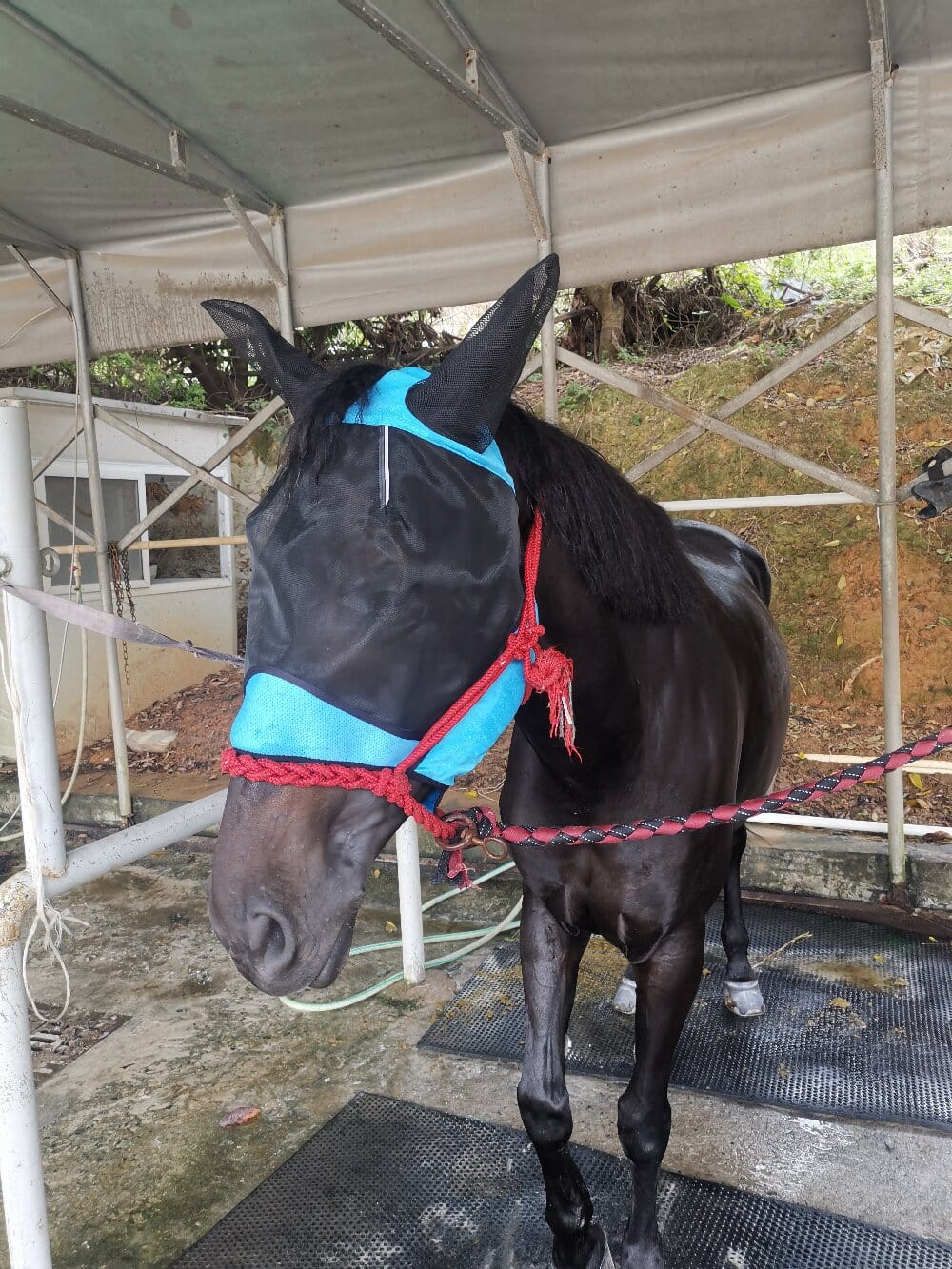
The horse fly mask, a seemingly simple piece of equestrian equipment, carries a significance that extends far beyond its practical function. Across cultures and centuries, the relationship between horses and biting insects has shaped husbandry practices, influenced artistic expression, and even informed local folklore. Understanding the horse fly mask from a cultural perspective reveals how societies have interpreted and responded to the shared challenge of protecting valued animals from nuisance and disease. This article examines the object through historical, regional, and symbolic lenses, offering an objective view of its place in human-animal relations.
Historical Development of the Horse Fly Mask
Evidence of protective face coverings for horses appears in several ancient traditions. In parts of North Africa and the Middle East, woven or leather face nets were used to shield working animals from desert flies and sand irritation. Medieval European records mention cloth fringes attached to bridles, a precursor to the modern mask. The industrial era brought mass-produced mesh, and by the twentieth century, the horse fly mask had become a recognizable item in stables across Europe and North America. Each stage of this evolution reflects local materials, climate conditions, and the cultural value placed on equine welfare.
Regional Variations and the Horse Fly Mask
Cultural perspective highlights how geography shapes design. In hot, humid regions, masks tend to emphasize airflow and fine mesh to deter mosquitoes and midges. In drier climates, durability against dust and UV exposure often takes priority, with darker fabrics and reinforced stitching. Some pastoral communities in Central Asia incorporate brightly colored tassels, which serve both as fly deterrents and as decorative markers of ownership. Meanwhile, competitive equestrian cultures in Europe and the Americas favor streamlined, form-fitting designs that comply with sport regulations. These variations demonstrate that the horse fly mask is not a uniform artifact but a responsive, locally adapted tool.
Symbolism and Folklore
Beyond utility, face coverings for horses have occasionally acquired symbolic meaning. In certain rural European traditions, a decorated fly veil was believed to ward off ill fortune as well as insects, blurring the line between practical protection and folk belief. In parts of South America, handcrafted masks sometimes feature embroidery that signals a family’s identity or regional pride. While these symbolic associations are not universal, they illustrate how an everyday object can absorb cultural narratives about care, ownership, and superstition.
Modern Practices and Cultural Exchange
Today, the global equestrian community shares knowledge about fly protection through international competitions, online forums, and veterinary research. This exchange has standardized some features—such as ear coverage and fleece-lined edges—while preserving regional preferences. The horse fly mask now sits at the intersection of tradition and innovation, with manufacturers balancing heritage designs against new synthetic materials. Consumers, in turn, make choices informed by climate, discipline, and cultural expectations, ensuring the object remains dynamic rather than fixed.
Key Considerations for Buyers
- Climate: Match mesh density and fabric weight to local insect pressure and temperature.
- Fit: Ensure clearance around the eyes and ears to prevent rubbing.
- Durability: Consider stitching quality and UV resistance for outdoor use.
- Cultural and Sport Norms: Check local showing rules and traditional preferences.
These factors reflect the same cultural and environmental influences that have shaped the object for centuries.
Conclusion
Viewed through a cultural lens, the horse fly mask is more than a barrier against insects. It is a product of historical adaptation, regional identity, and evolving standards of animal care. Its designs encode local climates and customs, while its global circulation reflects shared equestrian knowledge. Recognizing these layers encourages a more informed appreciation of a humble yet meaningful piece of equipment, one that continues to evolve alongside the cultures that use it.