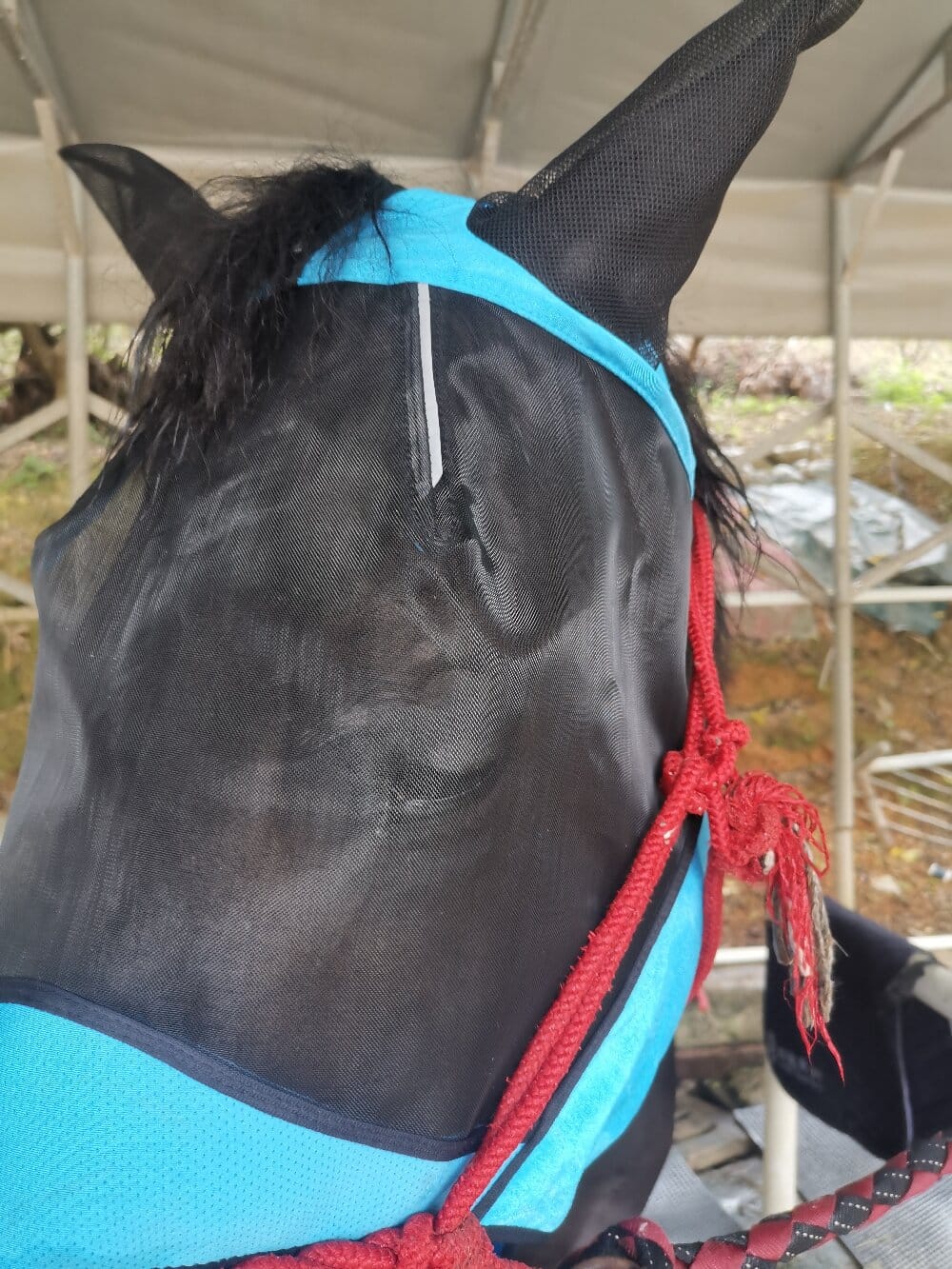
The horse fly mask is far more than a simple piece of equestrian equipment; it reflects a long-standing cultural relationship between humans and working animals. Across continents, horse keepers have developed varied approaches to protecting their animals from biting insects, and the fly mask has emerged as a recognizable symbol of that shared concern. From the stable yards of Europe to the ranches of the Americas, this seemingly modest item reveals how different societies perceive animal welfare, practicality, and tradition.
Historical Origins and the Horse Fly Mask
Long before synthetic mesh and modern fasteners, horse handlers fashioned protective coverings from leather, woven grass, and cloth. In medieval Europe, agricultural communities recognized that flies could agitate draft horses and reduce their working efficiency. Similar practices appeared in North Africa and parts of Asia, where herders used lightweight fabrics to shield sensitive eyes and ears from dust and insects. These early coverings were not standardized products but locally adapted solutions, shaped by available materials and climate. The evolution of the horse fly mask therefore mirrors broader patterns of craftsmanship and oral knowledge transfer within rural cultures.
Regional Variations in Design and Use
Cultural perspective reveals striking differences in how fly masks are designed and employed. In the United Kingdom and Ireland, where turnout and pasture management are central to equestrian life, fly masks often emphasize full-face coverage with ear protection. In the United States, particularly in western ranching communities, designs tend to favor durability and ease of use, reflecting a utilitarian outlook. Mediterranean cultures sometimes prioritize breathability, using lighter fabrics suited to hot, dry summers. These variations are not merely aesthetic; they encode local understandings of climate, animal behavior, and husbandry priorities.
Symbolism and Animal Welfare Attitudes
Beyond function, the fly mask carries symbolic weight. In many equestrian cultures, putting a mask on a horse signals attentiveness and responsible ownership. It communicates that the animal is valued not only for its labor or athletic performance but also for its comfort. This aligns with shifting cultural attitudes toward animal welfare, particularly in Europe and North America, where visible signs of care are increasingly expected. At the same time, some traditional communities remain skeptical of over-reliance on equipment, preferring natural remedies or stable management. The fly mask thus sits at a crossroads between modern welfare ethics and inherited practical wisdom.
Material Culture and Craft Traditions
Examining the materials used in fly masks offers insight into craft traditions. Early examples used hand-stitched leather and hemp; contemporary versions employ breathable synthetic mesh, fleece padding, and adjustable straps. The transition from artisanal production to mass manufacturing reflects broader economic shifts, yet small-scale makers in rural regions continue to produce custom masks. These craftspeople preserve techniques and regional design preferences that large manufacturers often overlook. In this sense, the humble fly mask is a living artifact of material culture, connecting past and present practices.
Practical Considerations and Cultural Etiquette
In practice, cultural norms influence how and when fly masks are used. Some traditions recommend masks only during peak insect season, while others use them year-round in certain climates. Observers note that etiquette varies: in some riding communities, removing a mask before handling is considered respectful, while others see no issue. Understanding these nuances helps riders and owners navigate diverse equestrian environments with sensitivity.
Conclusion
The horse fly mask illustrates how a practical tool can embody cultural values, regional adaptation, and evolving ethics. Its history, design variations, and symbolic meanings reveal much about human-animal relationships worldwide. Recognizing these cultural dimensions enriches appreciation for a deceptively simple piece of equipment.