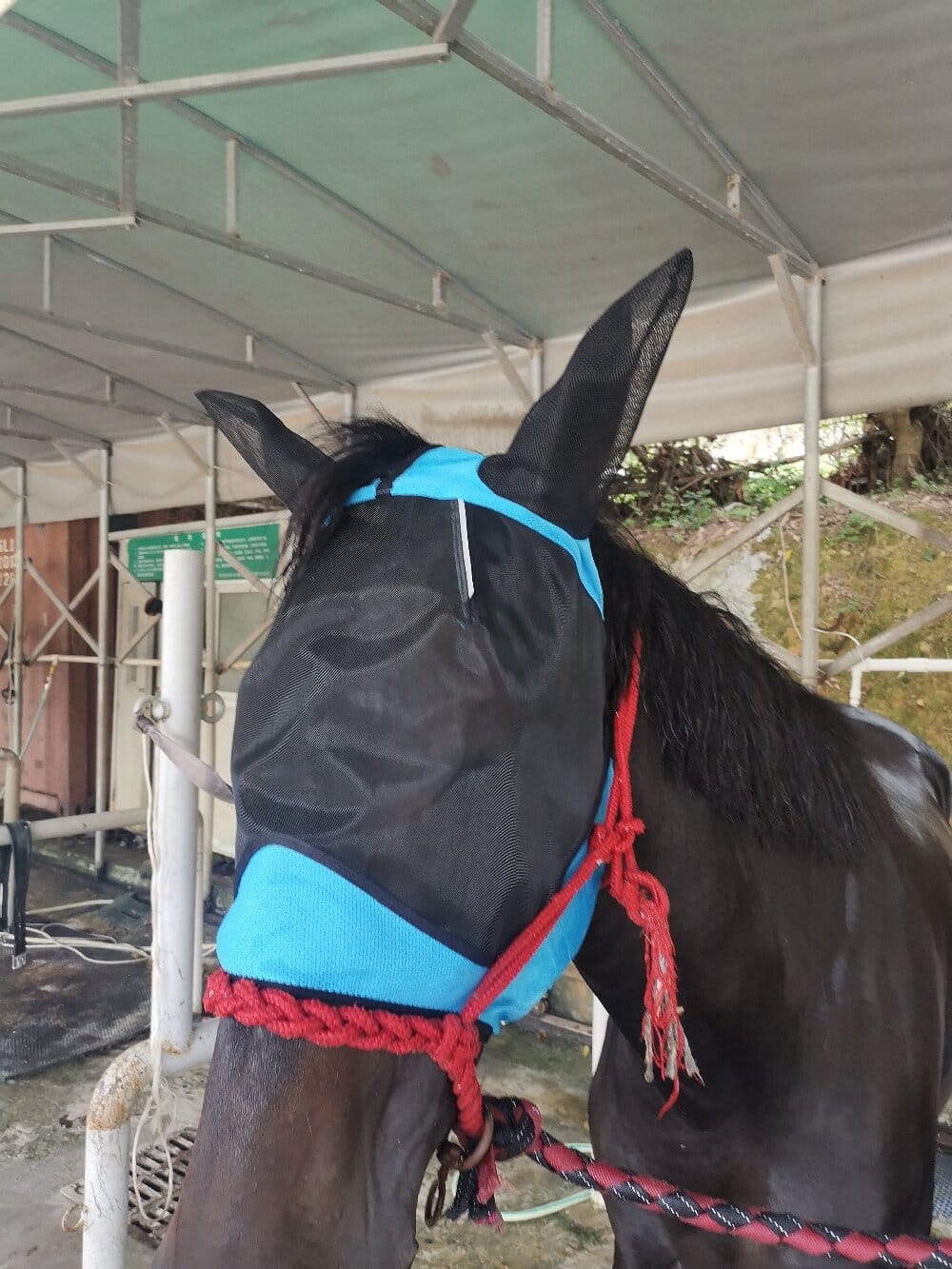
The horse fly mask is a familiar piece of equestrian equipment in many parts of the world, yet its role extends far beyond simple pest control. Across different cultures, the ways in which horse owners protect their animals from flies reflect deeper attitudes toward animal welfare, husbandry traditions, and the relationship between humans and working animals. While the basic function of a fly mask remains consistent—shielding a horse’s eyes, ears, and face from irritating insects—the cultural context surrounding its use varies considerably.
Historical Roots and Regional Traditions
Before manufactured fly masks became widely available, horsemen in various regions devised their own protective coverings using leather, cloth, and natural fibers. In parts of southern Europe and North Africa, where horse flies and other biting insects thrive in warm, humid conditions, traditional bridles and face coverings often incorporated fringe or netting to keep pests away. These early adaptations demonstrate a practical wisdom passed down through generations of farmers, cavalrymen, and nomadic herders.
In contrast, colder climates historically saw less need for such protection, and the fly mask remained a specialized item rather than a standard part of tack. This regional disparity helps explain why the modern fly mask is more prevalent in some countries than others, and why its design often reflects local conditions rather than a single universal standard.
The Horse Fly Mask as a Cultural Marker of Care
In contemporary equestrian communities, the decision to use a horse fly mask can carry cultural meaning. In competitive show circuits, for example, the appearance of a mask may be viewed as a sign of diligent, conscientious ownership. In recreational settings, it may simply be a matter of convenience. Either way, the object signals a commitment to the animal’s comfort, which in many cultures is tied to broader ethical expectations about how domesticated animals should be treated.
Different traditions also influence design preferences. Some cultures favor masks with long nose coverage, while others prefer minimal styles that cover only the eyes. Ear protection is another variable, with some regions treating it as essential and others as optional. These choices are not merely aesthetic; they reflect local insect populations, climate, and the specific needs of the breeds most common in each area.
Practical Considerations That Cross Cultural Lines
Despite regional differences, several practical concerns unite horse owners everywhere. A well-designed fly mask should:
- Provide reliable protection without obstructing vision
- Allow adequate airflow to prevent overheating
- Stay securely in place during movement and turnout
- Be durable enough to withstand daily wear and weather
- Fit comfortably to avoid rubbing or pressure points
These universal requirements shape the global market for equine fly protection and encourage manufacturers to balance tradition with innovation. Materials such as fine mesh, breathable synthetics, and soft fleece edging have become common across many brands and regions, demonstrating a shared practical vocabulary even where cultural habits differ.
Modern Usage and Evolving Perspectives
Today, the horse fly mask is increasingly viewed through the lens of animal welfare science rather than purely local custom. Research into insect-borne disease and stress in horses has reinforced the value of fly protection, and this evidence-based approach is gradually influencing traditions in places where masks were once uncommon. At the same time, cultural exchange through international equestrian sport and online communities has spread design ideas and best practices rapidly.
This convergence does not erase cultural distinctions. Instead, it creates a layered picture in which a single piece of equipment can be understood simultaneously as a practical tool, a marker of care, and a reflection of local heritage. For horse owners, that richness of meaning is part of what makes even a simple fly mask worth considering carefully.
Summary
From traditional cloth coverings to modern mesh designs, the horse fly mask reflects both universal concerns about equine comfort and culturally specific approaches to animal care. Its history and use reveal how practical needs, regional climates, and ethical values intersect. Recognizing these cultural dimensions helps owners appreciate not only what a fly mask does, but also what it represents in different corners of the equestrian world.