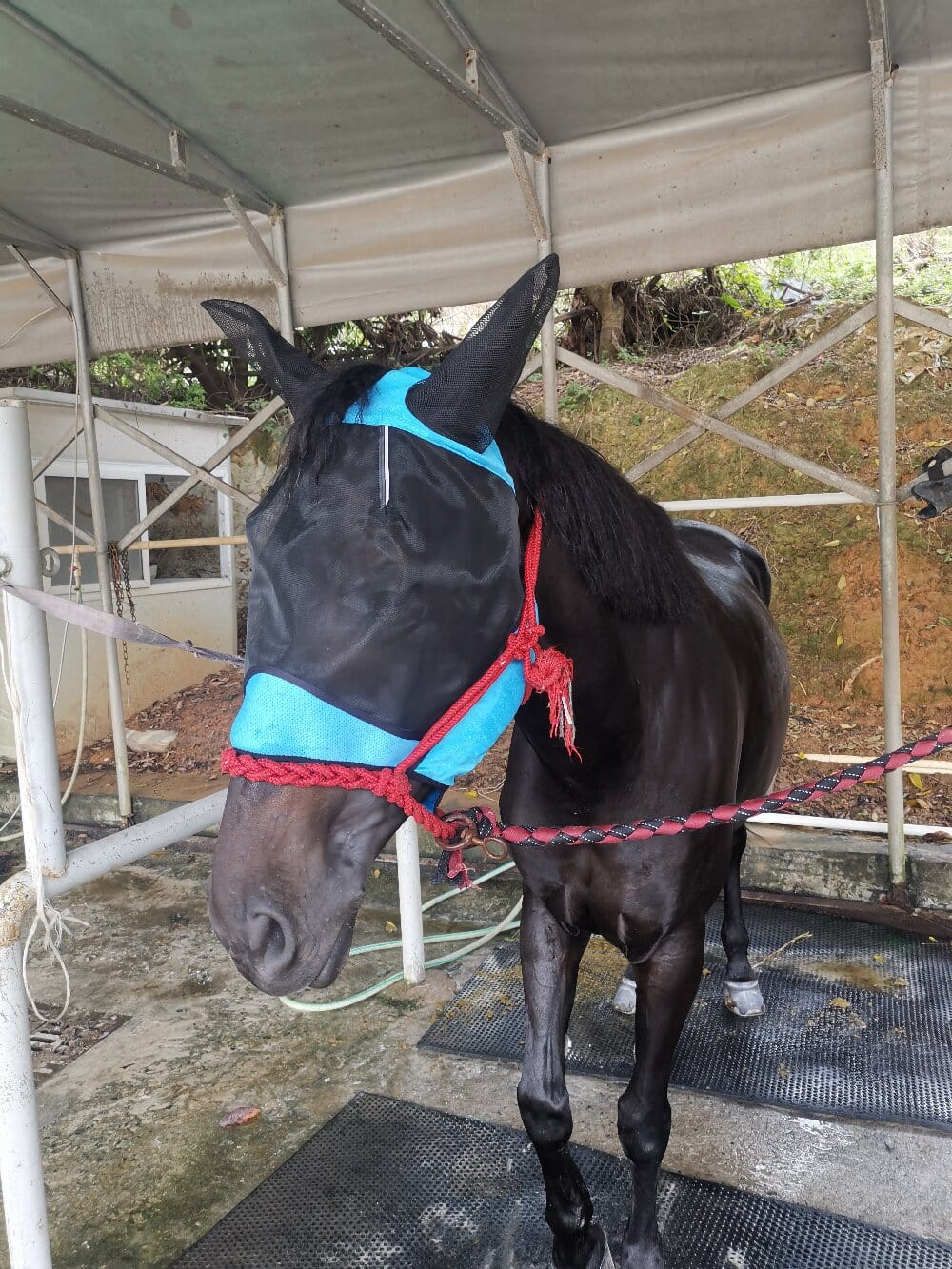
Across continents and centuries, the horse fly mask has served as far more than a simple piece of equestrian equipment. From the dusty arenas of Andalusia to the sprawling ranches of the American West, this humble piece of protective gear reflects a deep cultural bond between humans and horses. Understanding the horse fly mask through a cultural lens reveals how different societies have interpreted the care, status, and welfare of their equine companions, and why this seemingly practical item continues to carry symbolic weight in the modern equestrian world.
Historical Roots of Equine Protection
Long before synthetic mesh and UV-blocking fabrics existed, horsemen in North Africa and the Middle East fashioned rudimentary face coverings from woven grasses and leather strips. These early prototypes were designed to shield valued animals from biting insects during long desert journeys. In medieval Europe, decorative face coverings sometimes doubled as heraldic statements, with embroidered cloths protecting stallions while simultaneously displaying a family’s colors. The evolution of the horse fly mask thus mirrors the broader history of animal husbandry, wherein utility and ornamentation frequently intertwined. Cultural anthropologists note that societies which depended heavily on horses for transport, agriculture, or warfare tended to develop more elaborate systems of equine care, and the fly mask became a marker of conscientious ownership.
The Horse Fly Mask in Regional Traditions
Different regions have adapted the fly mask to suit local climates and customs. In the Iberian Peninsula, where heat and horseflies are relentless in summer, riders often favor masks with extended nose coverage, sometimes adorned with subtle braiding that echoes traditional tack. In the American West, ranchers frequently choose rugged, no-frills designs in earth tones, reflecting a pragmatic cowboy aesthetic. Meanwhile, in the United Kingdom, where turnout rugs and fly masks are staples of pasture management, manufacturers produce masks in bright patterns and pastel shades, turning a functional item into a fashion statement within the country’s equestrian culture. These variations demonstrate how a single object can absorb the values and visual language of the communities that use it.
Rituals, Status, and Symbolism
In some equestrian subcultures, the act of fitting a fly mask before turnout has become a small ritual signaling attentiveness and respect for the animal. Competition yards may coordinate mask colors with stable livery, subtly reinforcing team identity and hierarchy. Among leisure owners, a well-fitted mask is often viewed as a badge of good horsemanship, distinguishing knowledgeable caretakers from novices. Folk wisdom in rural communities sometimes holds that certain mask colors deter insects more effectively than others — a belief that persists despite limited scientific support, illustrating how tradition and practicality coexist in equine folklore.
Modern Welfare and Cultural Values
Contemporary attitudes toward animal welfare have reshaped the cultural meaning of the horse fly mask. Where once a mask was simply a barrier against pests, it now symbolizes a broader ethical commitment to comfort and preventive care. Veterinary research supports the use of UV-blocking masks for horses prone to photosensitivity, and welfare organizations increasingly recommend fly protection as part of routine management. This shift reflects changing cultural priorities: horses are no longer merely working assets but recognized companions whose quality of life matters. The mask has accordingly become a tangible expression of the modern caretaker’s values.
Conclusion
The horse fly mask, though modest in appearance, offers a revealing window into the ways humans care for and conceptualize their horses. From ancient woven coverings to today’s UV-blocking mesh designs, it embodies a shared cultural investment in equine well-being. Recognizing this cultural perspective enriches appreciation for an item that many riders reach for without a second thought — a small but meaningful artifact of the enduring partnership between people and horses.