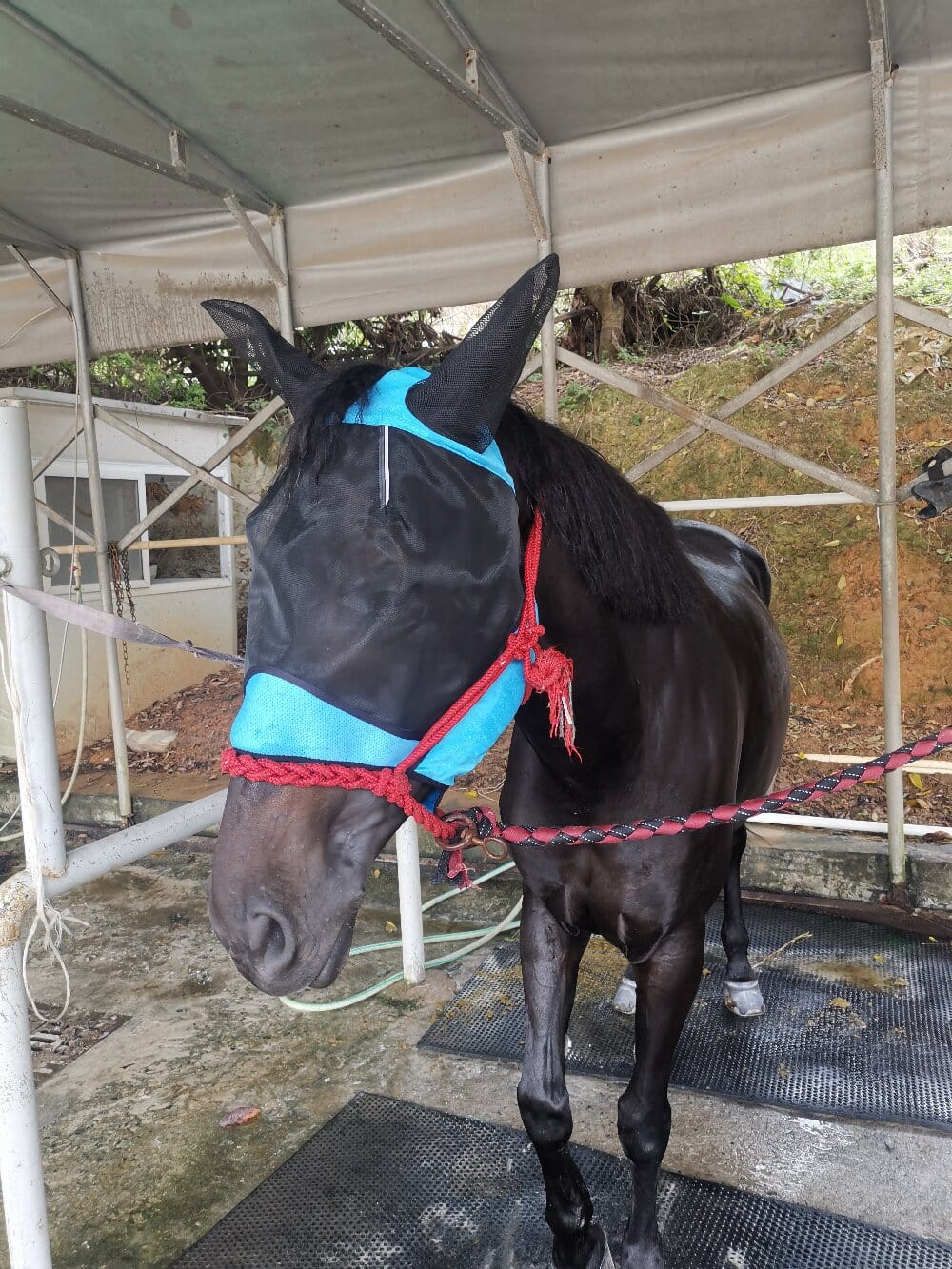
As we look ahead, the horse fly mask is poised to evolve from a simple mesh shield into an intelligent piece of equine wearables. Owners, veterinarians, and manufacturers each see a different future for this humble piece of tack, and their perspectives reveal how technology, welfare science, and design will reshape fly protection over the next decade.
Horse Fly Mask Innovation: A Technology Forecast
From an engineering standpoint, the next generation of fly masks will likely integrate smart fabrics that respond to environmental triggers. Imagine masks woven with micro-sensors that detect insect activity and release a gentle, species-specific repellent. Solar-reactive materials could darken automatically during peak fly hours, while breathable membranes regulate heat so masks remain comfortable in summer heat. Manufacturers are already experimenting with lightweight graphene meshes that block UV rays without trapping moisture.
Wearable data is another frontier. A mask embedded with biometric sensors could monitor tear production, blink rates, and eye temperature, alerting owners to early signs of infection or irritation. For horses prone to head-shaking syndrome or photosensitivity, this continuous feedback would be invaluable. Industry analysts predict that within five to seven years, premium fly masks will sync with smartphone apps, turning routine turnout into a health-monitoring opportunity.
Welfare and Veterinary Perspectives
Veterinarians take a cautious but optimistic view. They welcome designs that reduce reliance on chemical fly sprays, which can irritate sensitive skin and contribute to insecticide resistance. Future masks may feature antimicrobial linings that discourage bacterial growth around the eyes, addressing a common cause of conjunctivitis. However, vets stress that fit will remain paramount; a poorly fitted mask can rub the corneas or trap debris. Forward-thinking brands are likely to offer customizable sizing using 3D scanning of a horse’s head, ensuring pressure points are eliminated.
From a behavioral science angle, researchers foresee masks that dampen sound and reduce visual stress from darting shadows. Some studies suggest that certain fabrics and colors calm anxious horses, so tomorrow’s designs may be tuned not just for flies but for overall psychological comfort during turnout.
Owner Expectations and Practical Realities
Riders and stable managers want durability without complexity. The future horse fly mask will probably balance high-tech features with wash-and-wear practicality. Expect self-cleaning coatings that shed dust and mud, reinforced binding that survives pasture roughhousing, and interchangeable components so a torn ear section can be replaced rather than discarding the whole mask. Subscription models could deliver seasonal upgrades, while recycling programs address the growing issue of synthetic waste in equestrian gear.
- Smart fabrics with insect-repellent micro-capsules
- Biometric sensors for eye health monitoring
- Custom 3D-fit options to prevent rubbing
- Modular, repairable construction for sustainability
- App connectivity for real-time alerts
Challenges on the Horizon
Skeptics point out that electronics and horses rarely mix well. Battery safety, waterproofing, and cost are significant hurdles. A sensor-laden mask may appeal to elite yards but price out everyday owners. There is also the risk of over-reliance on gadgets at the expense of daily visual checks. The most successful future products will likely blend subtle technology with proven low-tech protection, keeping the horse’s comfort at the center.
Conclusion
The horse fly mask of tomorrow will be smarter, more customized, and more sustainable, yet its core mission remains unchanged: shielding equine eyes from pests and UV damage. By balancing innovation with practicality and welfare, the equestrian industry can look forward to protection that serves both horse and handler better than ever before.