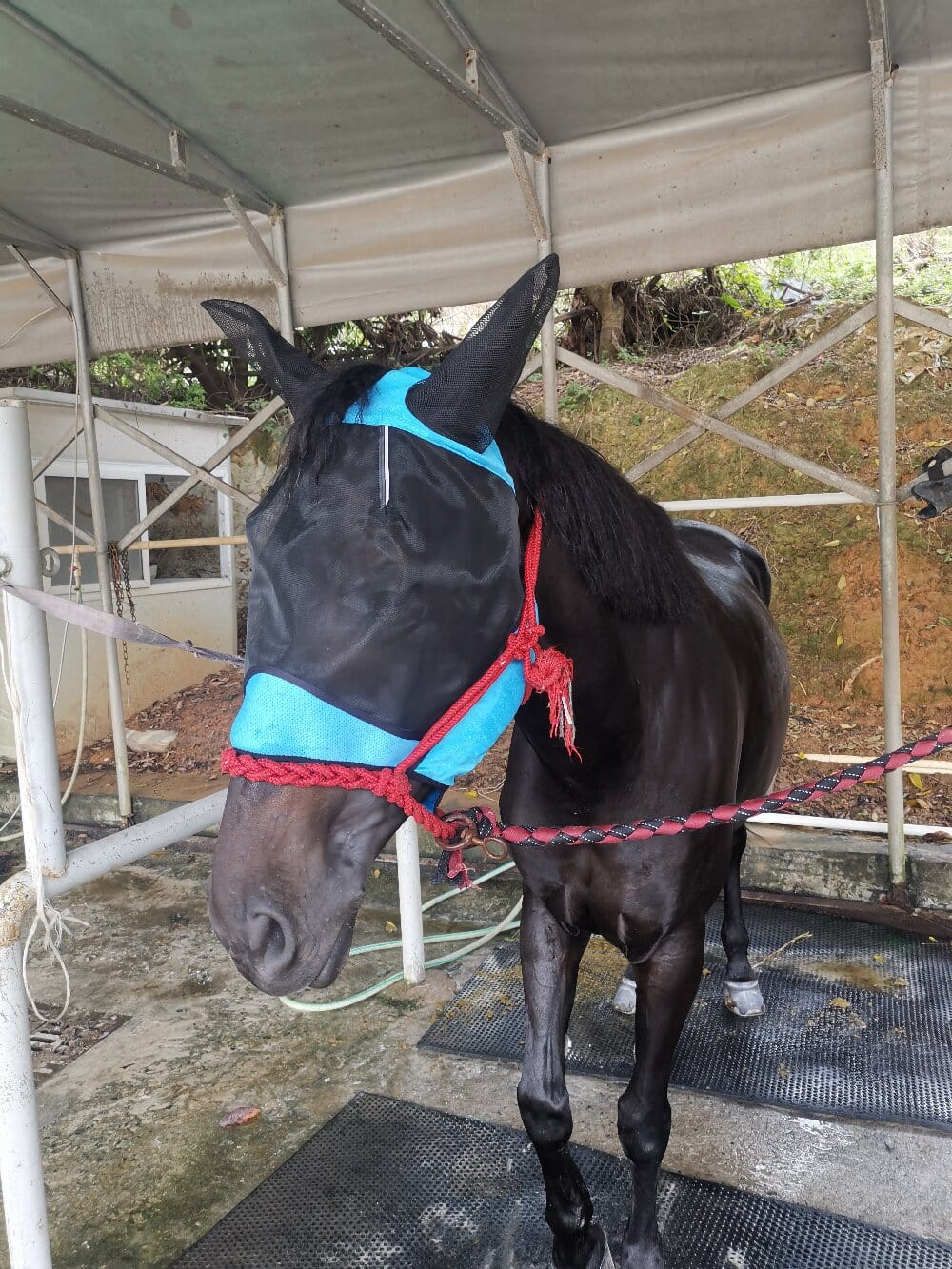

I have spent more seasons than I care to admit watching my horses stomp, swish, and head-shake their way through fly season, and the one piece of gear that has made the biggest difference is a quality horse fly mask. Over the years I have tested everything from bargain-bin mesh hoods to premium UV-blocking masks with ear and nose coverage, and the differences between them are far bigger than most riders expect. This comparative look at fly masks for horses is based on my own hands-on experience, so consider it a practical buyer’s guide rather than a lab report.
Horse Fly Mask Materials: Mesh Denier and Durability Compared
The first thing I compare is mesh quality, because it determines both protection and longevity. Cheap masks use coarse, stiff mesh that blocks flies but also blocks airflow, which can leave a horse sweaty and irritable. Better masks use finer, softer mesh that keeps out even tiny gnats while letting heat escape. In my experience, a mid-weight mesh around 600 to 800 denier hits the sweet spot for turnout, while heavier denier is better for horses on pasture with rough fencing and playful herd mates.
I also compare UV protection ratings. Some masks offer certified UV blocking of up to 90 percent, which matters enormously for horses with pink skin around the muzzle or those prone to sunburn. Budget masks rarely publish this figure, and in side-by-side summer testing, the difference in coat condition and skin comfort was obvious.
Fit and Coverage: Ears, Nose, and Forelock Compared
Fit is where cheap and premium fly masks for horses diverge most dramatically. I compare three coverage zones:
- Ears: Removable or stretchy ear covers are essential for horses bothered by ear flies; fixed stiff ears caused rubbing on two of my horses.
- Nose and muzzle: Longer nose coverage protects against face flies and sunburn but must leave room for grazing and drinking.
- Forelock opening: A well-placed opening keeps hair out of the eyes and reduces pressure points.
In comparison, masks with adjustable touch-and-close straps at the throat latch stayed put during rolling and turnout, while elastic-only designs slipped or twisted within hours. If your horse is an escape artist, prioritize adjustability over a one-size-fits-all approach.
Comfort, Breathability, and Behavioral Results
I judge comfort by behavior, not marketing claims. A good fly mask should stay in place without rubbing, allow full vision, and reduce head-shaking and stomping. In my comparisons, fleece-bound edges consistently caused fewer rub marks than raw mesh edges, and lighter colors reflected heat better on blazing afternoons. Breathability matters too: masks with ventilation panels kept horses cooler, and I noticed less sweating under the mask during ridden work in the field.
Durability is the final comparison point. I check stitching at stress points, strap hardware, and how the mesh holds up after washing. Masks that survived a full season of weekly washing and daily turnout earned a permanent spot in my tack room; others fell apart at the ear seams within weeks.
My Final Verdict on Choosing a Fly Mask for Horses
After comparing materials, fit, coverage, comfort, and durability, I firmly believe spending a little more on a well-made horse fly mask pays off in fewer replacements and calmer, happier horses. Prioritize fine breathable mesh with UV protection, adjustable straps, fleece edging, and removable ear coverage, then check the fit daily during peak fly season. A mask that stays put, blocks the bugs, and washes well is worth every penny, and your horse will thank you with a quiet, relaxed head.