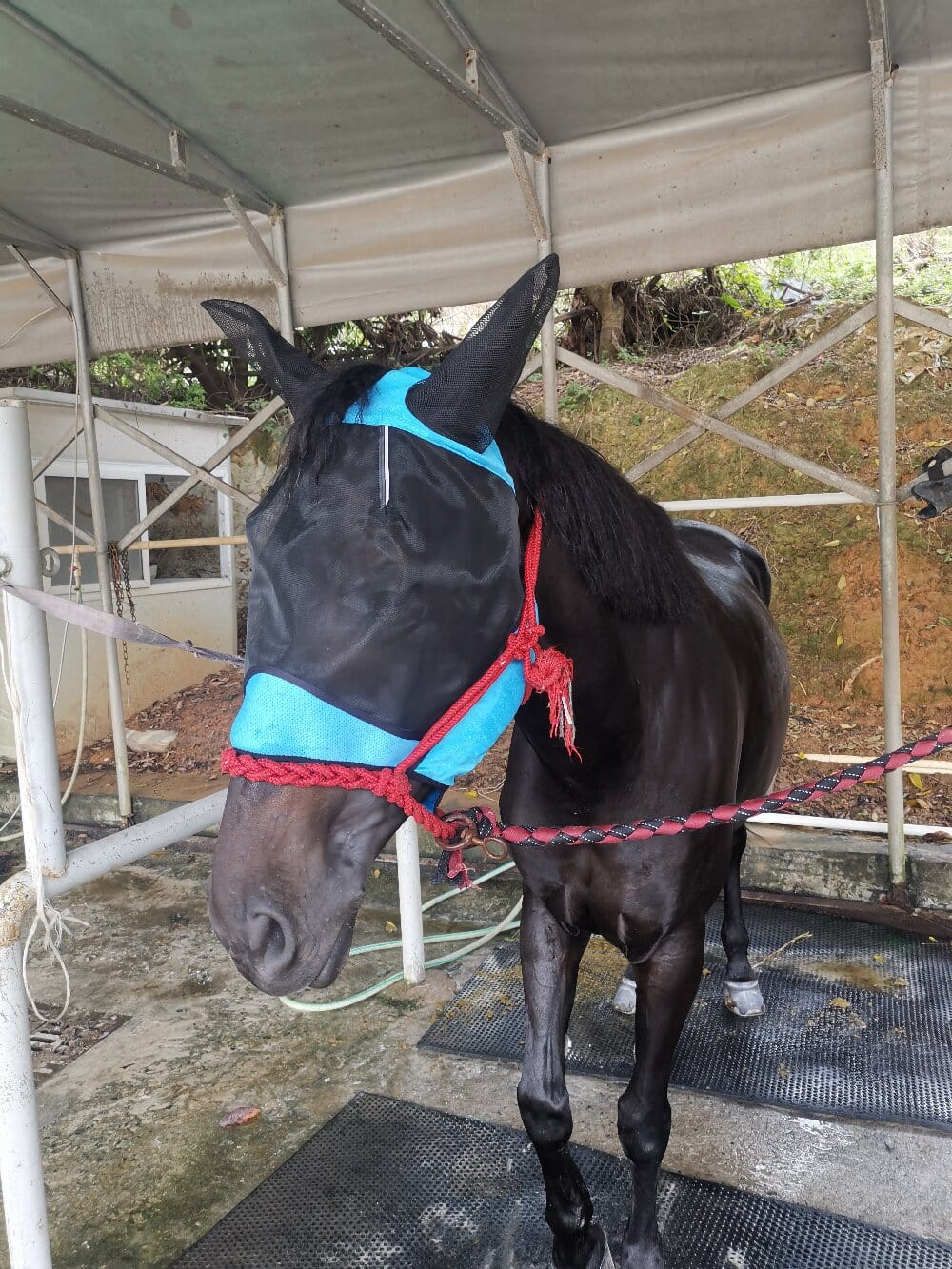
Every equestrian knows that summer brings two certainties: long trail hours and relentless flies. A quality horse fly mask is no longer a luxury add-on but a daily necessity, protecting sensitive eyes and skin from biting insects, dust, and UV glare. Yet walk into any tack shop or scroll through an online catalog and you will find dozens of options ranging from budget mesh hoods to high-tech, UV-blocking designs. This comparative analysis examines fly masks from multiple perspectives—comfort, durability, visibility, and value—so you can match the right mask to your horse’s specific needs rather than simply grabbing the cheapest option on the shelf.
Horse Fly Mask Materials: Mesh Density and Breathability Compared
The first point of comparison is fabric. Standard masks use fine mesh that keeps out even the tiniest gnats, while heavier weaves offer more durability but less airflow. From a veterinarian’s perspective, breathability matters most in humid climates, where trapped heat can cause sweating and skin irritation. From a barn manager’s viewpoint, rip-stop nylon edges out basic polyester because it resists tearing when horses rub against fences. Brands that reinforce seams and bindings consistently outperform cheaper alternatives, which often fray within a single season. If your horse lives out 24/7, prioritize abrasion-resistant mesh with reinforced darts around the ears and jaw.
Fit and Comfort: Comparing Styles Across Horse Conformations
Fit is where comparative shopping truly pays off. Draft horses and warmbloods need extended throat coverage, while Arabians and ponies often swim in standard sizing. Key fit considerations include:
- Ear design: Stretch mesh ears versus fleece-lined ears—the former suits sensitive-skinned horses, the latter adds cushioning for long wear.
- Closure systems: Hook-and-loop straps are convenient but collect hair and debris; buckle or snap closures last longer but take extra seconds to fasten.
- Forelock openings: Some masks include a slit to let the forelock out, improving visibility and reducing rubbing.
- Nose coverage: Full-nose masks shield against sunburn on pink-skinned muzzles, while half masks offer more airflow.
Trainers often report that horses accept masks with softer binding and fewer pressure points, which matters if your horse is prone to head-shy behavior.
Protection Levels: UV Blocking, Insect Defense, and Visibility Trade-Offs
Not all protection is equal. Some masks block up to 90% of UV rays, a significant benefit for horses with photosensitivity or pink skin around the eyes. Others focus purely on insect exclusion with ultra-fine mesh that slightly dims vision. From a behavioral standpoint, masks with darker mesh can cause spooking in nervous horses because they reduce peripheral sight; lighter, translucent mesh preserves visibility while still deterring flies. Riders competing in daytime events should compare UV ratings carefully, while trail users may prioritize a wider field of view. A balanced choice offers fine mesh for bug defense, moderate UV protection, and a design that does not obstruct sight lines.
Durability and Cost: A Long-Term Value Comparison
Price tags range widely, but cost-per-season tells a more honest story. Budget masks often need replacing mid-summer after seam failure or strap loss. Premium masks with double-stitched edges, replaceable straps, and warranty coverage frequently last two or three seasons, making them the smarter investment for horses turned out daily. From an ecological perspective, fewer replacements mean less waste. Wash masks regularly in cold water and air-dry them to extend lifespan, and inspect straps weekly for wear before turnout.
Conclusion
Choosing the best fly mask comes down to comparing materials, fit, protection, and longevity against your horse’s lifestyle. A breathable, well-fitted mask with reinforced seams and thoughtful ear and nose coverage delivers the most reliable comfort and defense. Consider your climate, your horse’s conformation, and how much turnout time they get—then select a mask that balances visibility, UV shielding, and durable construction. Thoughtful comparison now saves money, worry, and itchy, fly-bitten summers later.