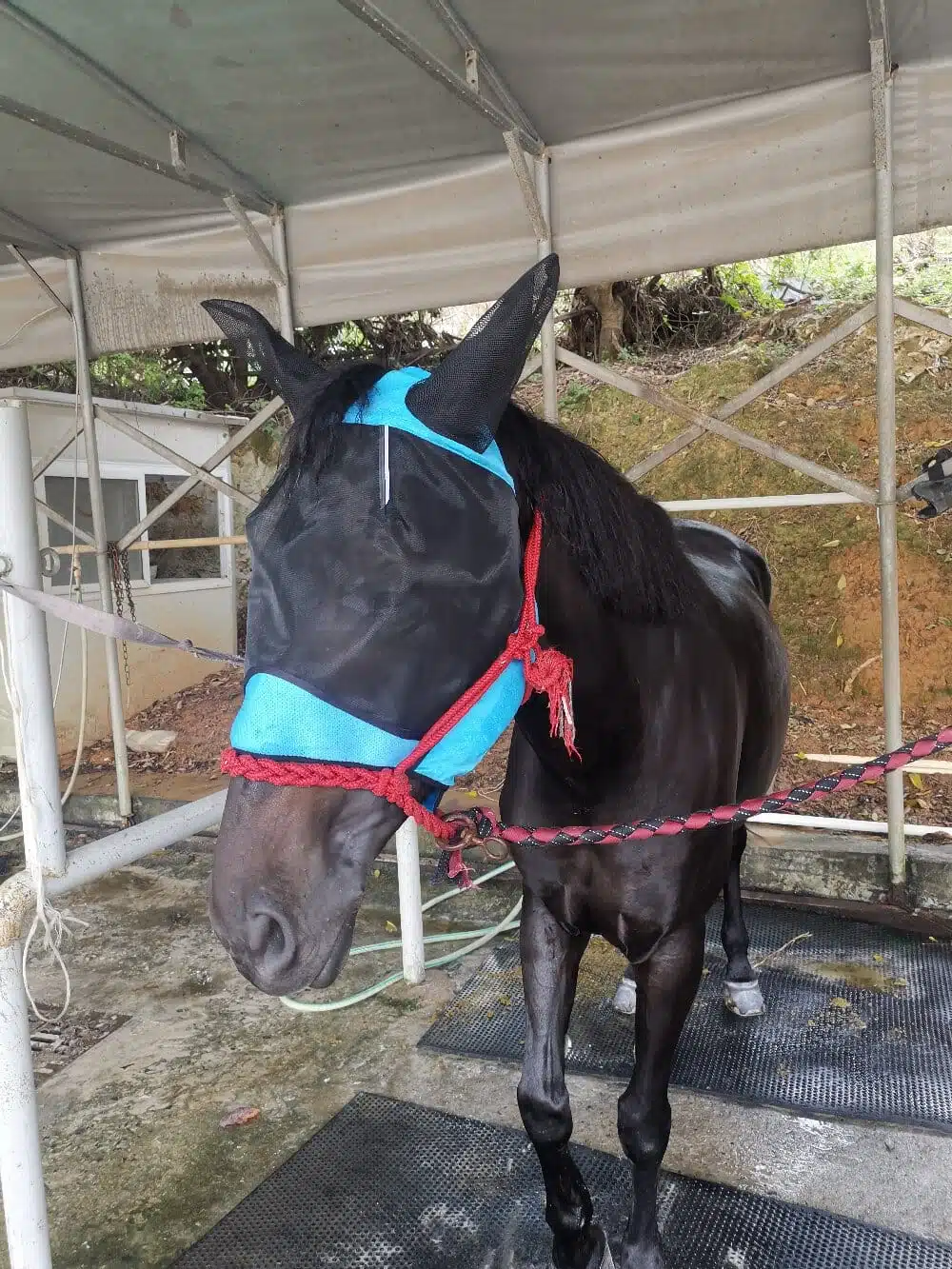

A horse fly mask is a specialized piece of equine equipment designed to protect a horse’s face and eyes from flying insects, particularly horse flies, stable flies, and bot flies. While it may appear to be a simple mesh covering, its role in solving specific equine management problems is significant. Horse owners frequently face the challenge of insect-borne irritation, which can lead to head shaking, eye infections, and reduced grazing time. Understanding how a fly mask functions as a targeted solution helps in selecting the right product and using it effectively.
Horse flies are large, persistent insects that feed on blood and cause painful bites. Unlike smaller flies, they can bite through thin coats and are difficult for horses to dislodge by swishing their tails or stamping their hooves. The face, especially around the eyes, muzzle, and ears, is a vulnerable area. Common problems resulting from horse fly activity include:
- Ocular irritation, tearing, and conjunctivitis from repeated bites near the eyes.
- Head shaking, rubbing, and self-trauma as the horse tries to relieve discomfort.
- Reduced feed intake and restlessness during peak fly seasons.
- Secondary infections when biting flies transmit pathogens or when scratching creates skin lesions.
Addressing these issues with topical insect repellents alone often provides incomplete protection. Repellents can be washed off by rain or sweat, and some horses are sensitive to chemical ingredients. A physical barrier offers a consistent alternative.
How a Horse Fly Mask Solves the Problem
A horse fly mask works by creating a durable, breathable barrier over the face. The mesh is fine enough to block horse flies and other biting insects but allows air circulation and visibility. Key functional elements include:
- Eye coverage: Most masks feature mesh over the eyes to prevent flies from landing directly on the eyelids or tear ducts.
- Ear protection: Some designs include ear covers or extended mesh to keep flies out of the ears, reducing head shaking.
- Secure fit: Adjustable straps, often with hook-and-loop closures or elastic bands, keep the mask in place during turnout, grazing, or exercise.
- UV protection: Many masks also block a portion of ultraviolet light, which is beneficial for horses with photosensitivity or pink skin around the muzzle.
By preventing bites and landing attempts, the mask reduces the cycle of irritation and self-trauma. This directly addresses the behavioral and health problems associated with fly pressure.
Selecting the Right Horse Fly Mask for Specific Conditions
Not all fly masks are identical, and the best choice depends on the horse’s environment and individual needs. Consider the following factors as solutions to common scenarios:
- For horses with eye sensitivities: Choose a mask with soft, rounded edges and a smooth interior to avoid rubbing the cornea. Some masks are designed with a raised bubble over the eyes to keep mesh away from the eye surface.
- For turnout in dense fly areas: Opt for a mask with a fine mesh and full ear coverage. A mask with a nose extension can also protect the muzzle from biting flies.
- For horses that remove masks: Use a mask with a browband and throatlatch that can be adjusted. Some horses require a mask with a separate head piece or a fly bonnet that attaches to the halter.
- For horses with facial skin conditions: Select a mask made from non-abrasive, breathable material. Ensure the mask is cleaned regularly to prevent dirt and bacteria accumulation.
Proper fit is critical. A mask that is too tight can cause rubs, while a loose mask can shift and expose the eyes. Measure the horse’s head from the poll to the muzzle and around the jaw to determine the correct size.
Maintenance and Practical Limitations
To remain an effective solution, a horse fly mask requires routine care. Inspect it daily for tears, stretched straps, or debris. Hand wash with mild soap and water, then air dry. Avoid harsh detergents that can degrade the mesh. Replace the mask when the mesh becomes clogged with dirt or when the fasteners no longer hold securely.
It is important to recognize that no mask is 100% effective in all situations. Very large horse flies may occasionally bite through thin mesh, and masks do not protect the body, neck, or legs. Therefore, combining a fly mask with other control methods—such as fly sprays, fans in stalls, and manure management—provides a more comprehensive solution. Additionally, some horses may initially resist wearing a mask; gradual introduction with positive reinforcement can ease acceptance.
Conclusion
From a problem-solving perspective, a horse fly mask addresses a specific and measurable issue: physical protection of the equine face from biting insects. It reduces irritation, supports eye health, and improves comfort during peak fly seasons. By selecting a properly fitted mask, maintaining it regularly, and integrating it with other fly control strategies, horse owners can effectively mitigate the negative effects of horse flies without relying solely on chemical repellents. The result is a more comfortable horse and fewer management headaches.