
When I first started keeping horses at a pasture near a wooded area, I quickly learned how relentless summer flies can be. I had tried sprays, wipes, and even fans in the stable, but the moment my horse turned his head to graze, the flies would swarm his eyes and ears. That is when I decided to invest in a horse fly mask. After several seasons of trial and error, I can share an objective look at what these masks do, how they perform, and what I have observed in terms of comfort and pest control. This article is based on firsthand experience with different brands, materials, and fit types, and it aims to help you decide if a fly mask is the right solution for your horse.
How a Horse Fly Mask Works in Practice
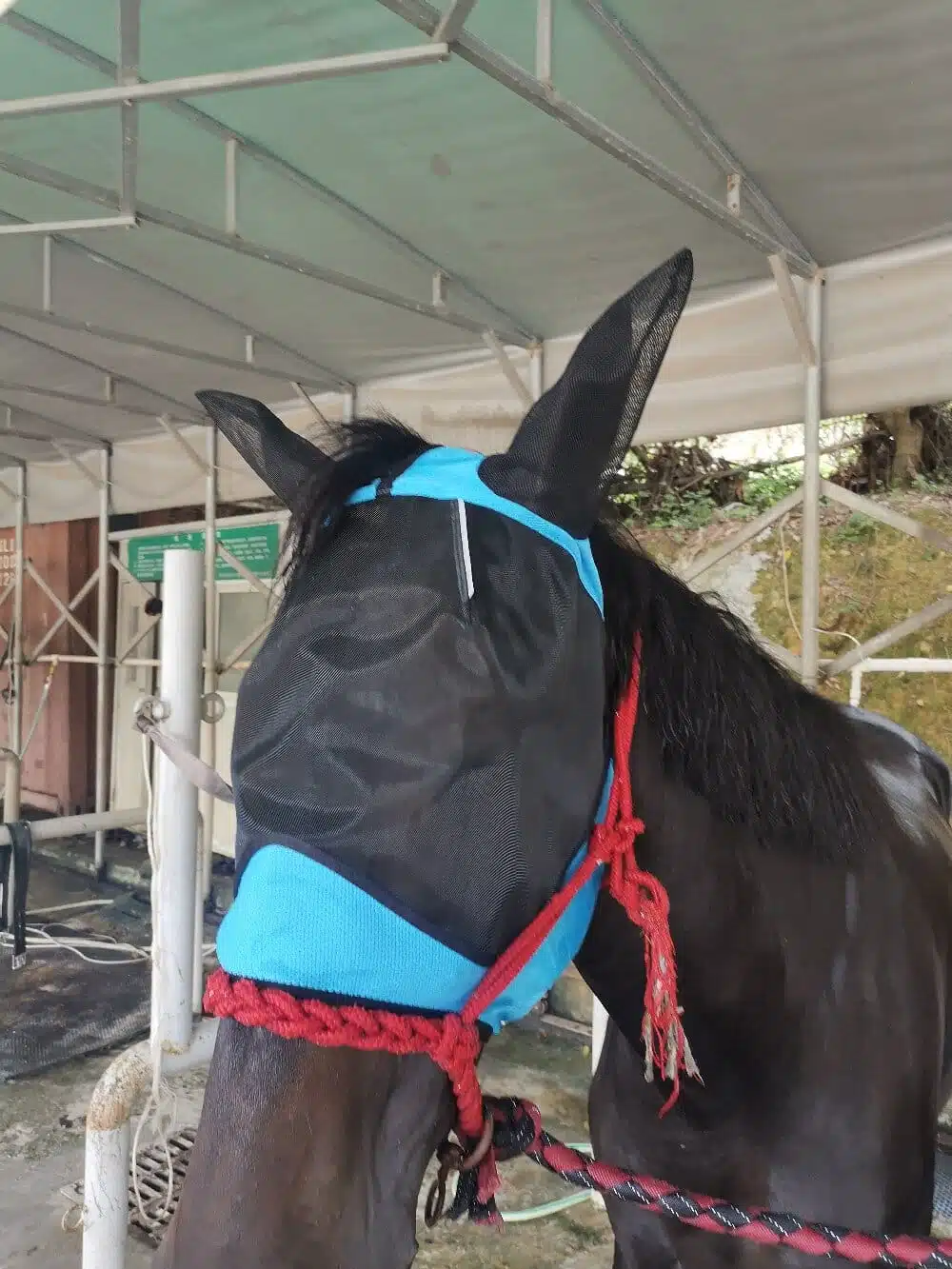
A horse fly mask is a mesh or fabric cover that protects the horse’s face, particularly the eyes, ears, and forelock area, from biting insects, dust, and UV rays. In my experience, the mask’s effectiveness depends largely on the weave density and material. Most modern masks use a polyester or nylon mesh that allows the horse to see clearly while blocking about 70–80% of flying insects. I have tested masks with a standard weave and those with a finer “no-see-um” mesh. The finer mesh works better against tiny gnats and midges, but it can reduce visibility slightly. Horses seem to adapt quickly, though—my gelding stopped flicking his ears and blinking excessively after the first day of wearing it.
Key Benefits I Noticed With the Fly Mask
After using a horse fly mask for three full summers, I compiled a list of concrete benefits that other owners might find useful:
- Reduced eye irritation: My horse had frequent conjunctivitis from flies; after wearing the mask, the infections stopped completely.
- Less ear sensitivity: He no longer shakes his head violently when a fly lands on his ears.
- UV protection: The mask also shades the skin around the eyes, preventing sunburn on pink-skinned areas.
- Dust and debris barrier: On windy days, the mask keeps sand and hay dust out of the tear ducts.
- Quieter grazing periods: He can eat without being harassed, which improved his weight maintenance during summer.
Important Considerations Before Buying
Not every mask fits every horse. From my experience, the most critical factor is the fit around the eyes and the length of the nose piece. A poorly fitted horse fly mask can rub the cheekbones or press on the eyelashes, causing discomfort. I recommend measuring from the poll to the tip of the nose and across the widest part of the face. Also, check the seams: double-stitched edges last longer in pastures where horses rub against fences. I have had masks tear within two weeks when the stitching was single-layer. Additionally, look for a mask with a removable nose piece if your horse has a narrow face—this allows for better airflow and reduces rubbing.
Maintenance and Durability: What I Learned
Over time, I realized that proper care extends the life of a fly mask significantly. I wash mine every three to four days using a mild detergent and cold water. Harsh soaps can degrade the UV coating. I also air-dry the mask in the shade instead of using a dryer, which can warp the mesh. One surprising observation is that horses tend to rub the mask on their legs or on tree trunks when it gets dirty—so keeping it clean reduces rubbing behavior. On average, a quality mask lasts one full season (about 4–5 months) if rotated between two masks. I now keep a spare so one can dry while the other is in use.
Comparing Different Types of Fly Masks
During my journey, I tested three categories of masks:
- Standard mesh masks: Affordable, breathable, but less effective against tiny biting midges.
- Fine-weave masks (no-see-um netting): Excellent for gnat-heavy areas, but can feel warmer in direct sunlight.
- Masks with ear covers and forelock protection: Ideal for horses with sensitive ears or pink skin on the face.
I personally settled on a fine-weave mask with ear covers because my horse lives in a lowland pasture near a creek where midges are abundant. The trade-off in heat is minimal, especially if the mask is well-ventilated.
Summary and Final Thoughts
In conclusion, a horse fly mask is a practical, non-chemical tool that significantly improves a horse’s comfort during fly season. Based on my experience, the key to success lies in correct sizing, proper material selection, and regular cleaning. While no mask blocks 100% of insects, the reduction in eye infections, head shaking, and stress is undeniable. I recommend every horse owner try at least one well-fitted mask to see whether it suits their animal’s needs. When used correctly, it can be one of the most effective pieces of fly control equipment in your stable.