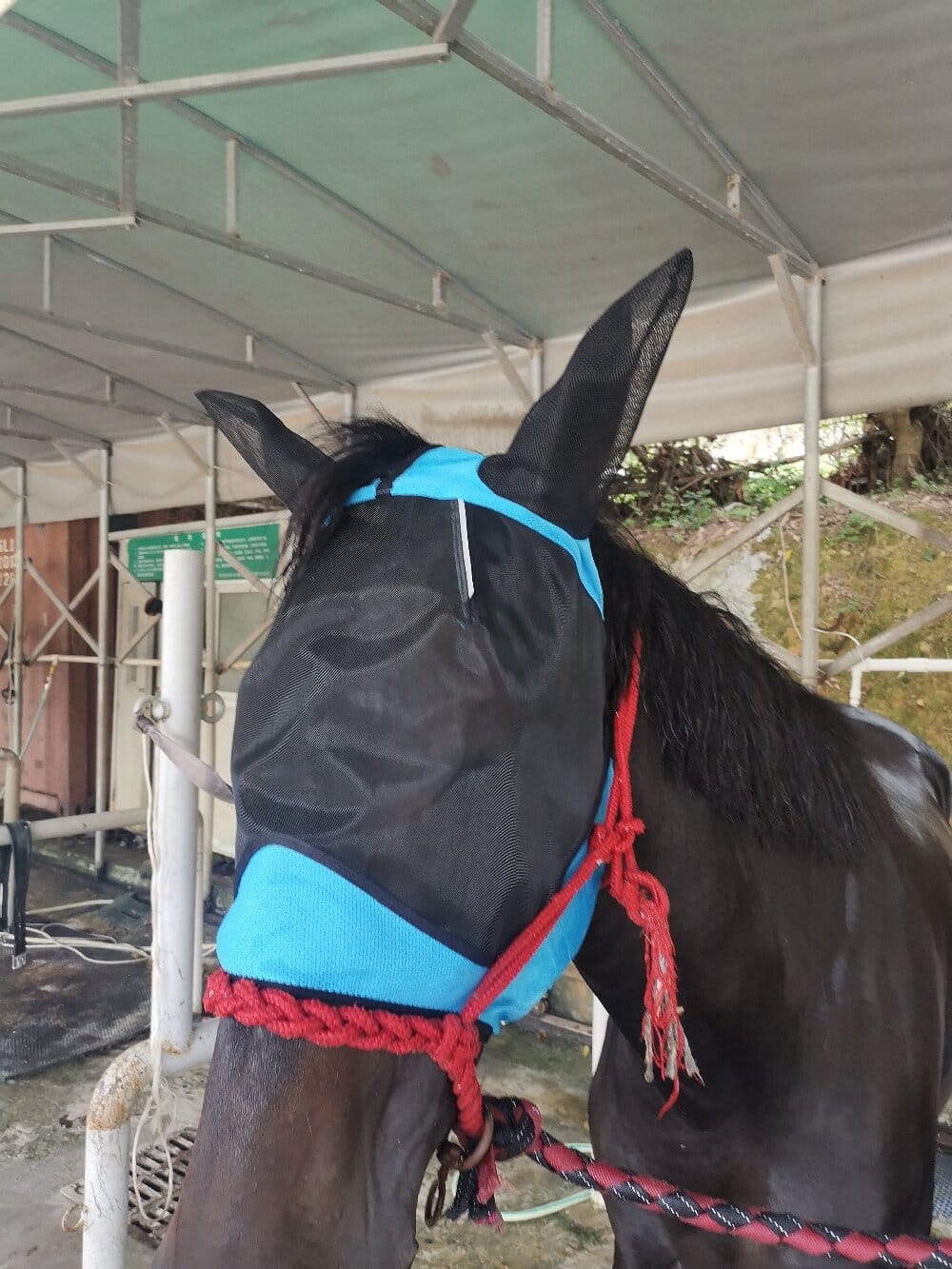
By the mid-2030s, the humble horse fly mask is expected to evolve from a simple mesh screen into an intelligent, data-driven piece of equine wearable technology. As summers grow longer and insect populations shift due to climate change, horse owners will increasingly rely on advanced protective gear to safeguard their animals from biting flies, UV radiation, and eye irritations. What was once a passive barrier will become an active partner in equine health management, blending materials science, micro-sensors, and sustainable design.
Future fly masks for horses will likely be constructed from self-cleaning, breathable nanofibers that repel dust and moisture while blocking 99% of UV rays. Researchers predict that phase-change materials will regulate temperature around the horse’s face, preventing overheating during peak summer hours. These fabrics may also incorporate biodegradable polymers, addressing the growing demand for eco-friendly equestrian products.
Key anticipated features include:
- Embedded micro-sensors that monitor eye temperature, blink rate, and tear production to detect early signs of conjunctivitis or corneal ulcers.
- Solar-powered cooling elements that activate when the ambient temperature exceeds a set threshold.
- GPS and Bluetooth tags for tracking a horse’s location and activity levels in large pastures.
- Self-adjusting straps using shape-memory alloys for a custom fit without manual tightening.
How Smart Fly Masks Will Change Equine Care
By 2040, a horse fly mask will no longer be a standalone item but part of an integrated health ecosystem. Data collected from the mask will sync with smartphone apps, alerting owners when a horse scratches excessively or shows reduced tear production. Veterinarians will access this data remotely, enabling telemedicine consultations for eye issues before they become severe.
Behavioral scientists predict that future masks will include calming pheromone diffusers or subtle acoustic repellents that emit frequencies irritating to flies but inaudible to horses. This dual-action approach—physical barrier plus sensory deterrent—could reduce fly-borne diseases such as equine infectious anemia and pigeon fever by an estimated 70% in managed herds.
Challenges and Ethical Considerations for Future Horse Fly Masks
Despite the promise, several hurdles remain. Battery safety in wearable equine tech is a concern, as lithium cells can overheat in direct sun. Future designs may rely on supercapacitors or kinetic energy harvesting from head movements. Cost is another barrier: early smart masks could retail for over $400, limiting access to elite stables. However, economies of scale and open-source hardware are expected to bring prices down by the late 2030s.
Animal welfare advocates will push for strict standards on sensor accuracy and data privacy. A horse fly mask that continuously transmits location data could be misused for unauthorized tracking. Regulatory bodies will likely require encrypted local storage and opt-in data sharing. Additionally, some trainers may resist technology that seems to “medicalize” routine turnout, arguing that simple shade and fly spray remain sufficient.
What Horse Owners Should Anticipate in the Next Decade
Between now and 2035, incremental improvements will appear before full smart masks arrive. Expect to see:
- Masks with replaceable mesh panels that snap in and out, extending product lifespan.
- Reflective piping and high-visibility colors for safety in low light.
- Antimicrobial coatings that reduce bacterial growth on the inner surface.
- Adjustable ear covers that accommodate different head shapes without rubbing.
By 2045, the horse fly mask will likely be prescribed by veterinarians for horses with chronic uveitis or photosensitivity, much like corrective lenses for humans. Subscription models may offer regular fabric upgrades and sensor calibration, shifting from a one-time purchase to ongoing care.
Conclusion: A Smarter Shield for Equine Eyes
The future of the horse fly mask lies at the intersection of biology, electronics, and compassion. What begins as a simple protective veil will become a proactive guardian, predicting irritation before it starts and adapting to each horse’s unique needs. While challenges around cost, power, and ethics persist, the trajectory is clear: smarter, greener, and more humane fly protection is on the horizon. Owners who embrace these innovations early will likely see healthier eyes, calmer summers, and deeper insights into their horses’ daily well-being.