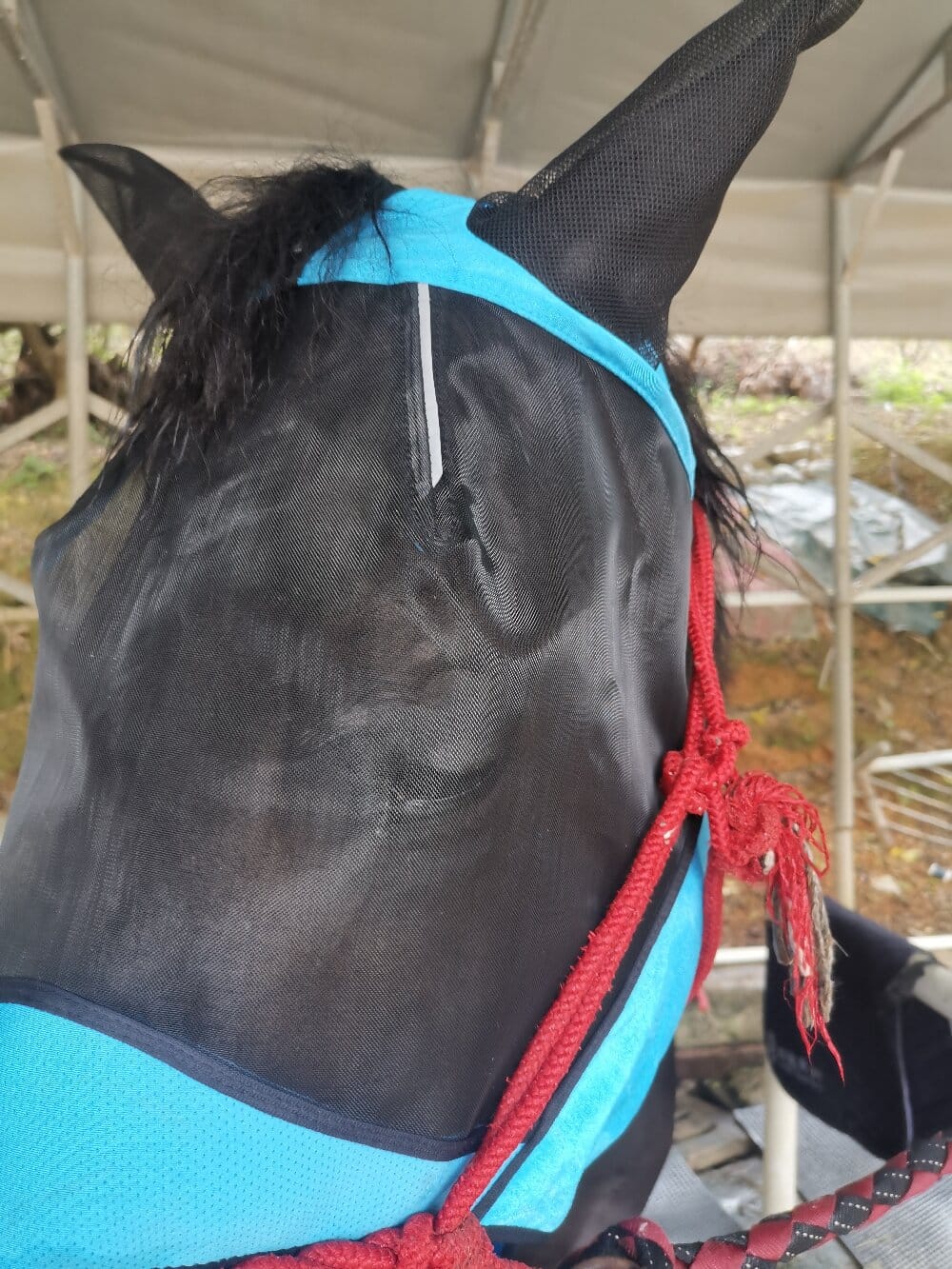
If you have ever watched your horse stomp, toss their head, or rub their face raw against a fence, you already know how brutal fly season can be. Over the years, I have tested dozens of fly control products on my own horses, and a horse fly mask has become the single most reliable item in my summer kit. In this practical guide, I will walk you through what actually works, what to avoid, and how to get the most out of your mask.
A good mask does more than keep flies off your horse’s face. It protects the sensitive skin around the eyes and ears from biting insects, reduces the spread of pink eye and other infections, and shields against UV rays that can damage the eyes and bleach the coat. I have seen horses go from constant head-shaking to calm grazing within a day of wearing a properly fitted mask.
There is also a behavioral benefit. Horses that are constantly bothered by flies burn energy and can become irritable or hard to handle. Reducing that irritation makes training and turnout safer for everyone.
How to Choose the Right Horse Fly Mask
Not all masks are created equal. Before you buy, consider these factors:
- Coverage: Do you need a standard mask that covers the eyes, or one with ear protection and a nose extension? Horses with sensitive ears or a history of sweet itch may need the full-coverage version.
- Mesh density: Finer mesh blocks smaller insects but can reduce airflow. Look for breathable fabric with a fine weave if your horse sweats heavily.
- UV protection: Many quality masks offer UV-blocking fabric, which is a real benefit for horses with pink skin or eye conditions.
- Fit and adjustability: Straps should be adjustable but not tight. A mask that slips or rubs will do more harm than good.
- Durability: Consider your horse’s habits. A horse that loves to rub on fences will need reinforced stitching and tougher binding.
Fitting a Horse Fly Mask Correctly
Fit is where most people go wrong. Here is my step-by-step routine:
- Measure from the top of the forehead to the bridge of the nose, then around the cheeks, to choose the right size.
- Slip the mask on so the eye openings sit clear of the lashes, not pressing against the eyes.
- Adjust the straps so you can fit two fingers underneath. If the mask leaves deep marks, it is too tight.
- Check the ear holes — they should sit comfortably at the base of the ears without pinching.
- Do a quick trot test in a safe area to make sure the mask stays in place.
Daily Care and Troubleshooting Tips
For long-term use, rotate at least two masks and wash them weekly in mild soap and warm water. Rinse thoroughly and air dry, because heat can warp the mesh. Check straps and seams daily for wear; a frayed strap can snap unexpectedly and release your horse from the mask entirely.
Common problems and fixes:
- Mask slipping down: tighten the cheek straps slightly or try a style with a browband.
- Rubbing behind the ears: loosen the ear straps or switch to a fleece-lined headpiece.
- Horse removing the mask: check sizing and consider a mask with a reinforced chin strap.
Finally, pair your mask with other fly control measures such as fly sheets, repellent sprays, and clean paddocks to reduce the overall pressure on your horse.
Final Thoughts
A well-chosen, correctly fitted horse fly mask is one of the cheapest and most effective investments you can make for your horse’s comfort. Measure carefully, choose the right coverage, keep it clean, and check the fit regularly. Your horse will thank you with a calmer attitude and healthier skin and eyes all season long.