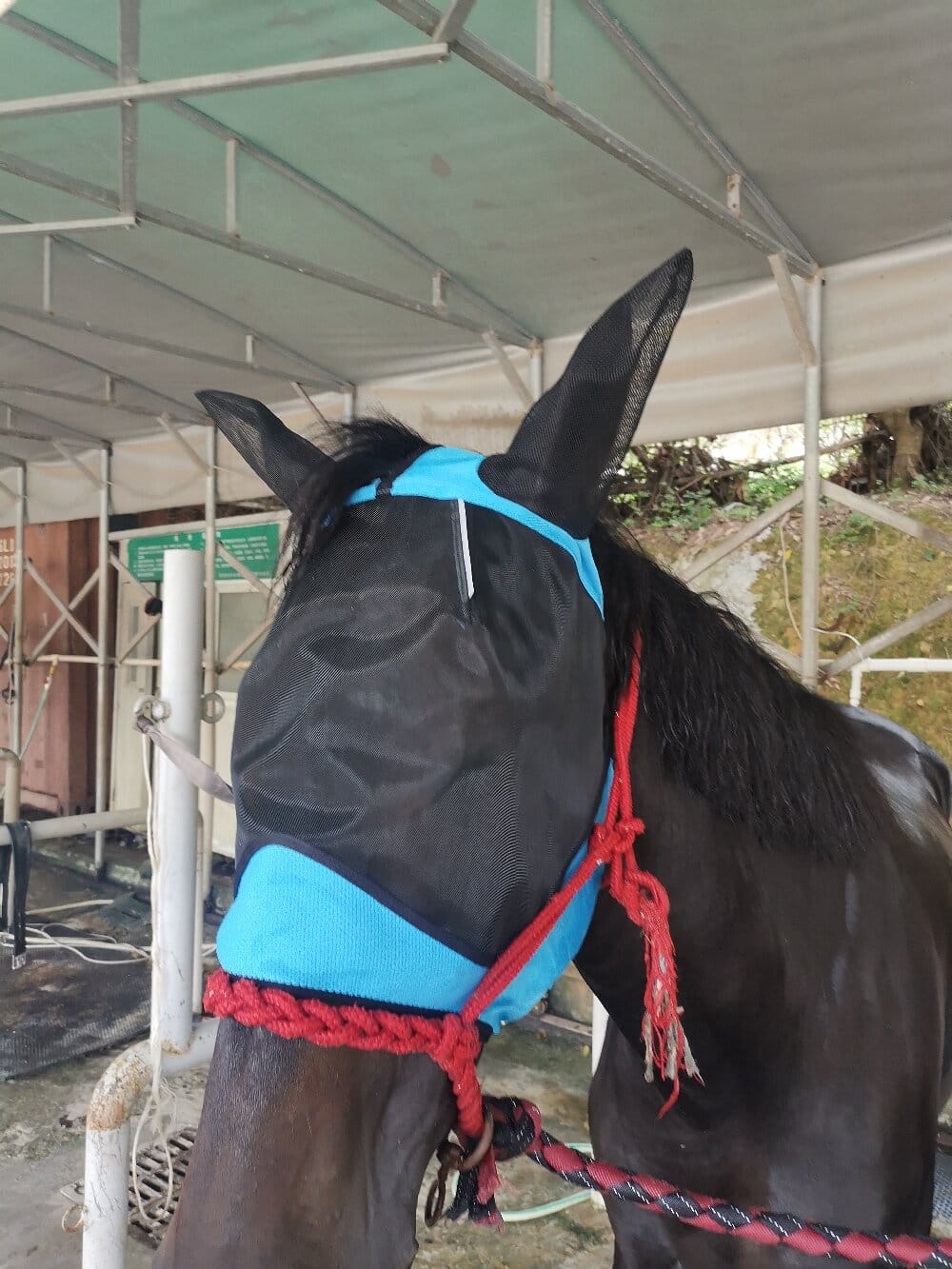

When evaluating the modern equestrian market, the horse fly mask has evolved from a simple niche accessory into a data-driven necessity for equine care. By interpreting usage statistics and seasonal trends, we can see that owners are increasingly investing in protective face gear not just for comfort, but as a preventative health measure. Data collected from tack retailers and veterinary surveys indicates a sharp rise in demand during peak insect seasons, highlighting a shift in how owners prioritize fly control. This analytical perspective reveals that the horse fly mask is no longer a luxury item but a staple in the broader strategy of equine wellness and pasture management.
Interpreting Seasonal Demand and Usage Statistics
From a data interpretation standpoint, the purchase patterns of equestrians tell a compelling story about the utility of fly masks. Retail analytics suggest that sales volume for these products spikes by nearly 40% between late spring and early summer, correlating directly with the lifecycle of flying insects. Furthermore, usage data indicates that horses wearing masks during turnout hours show a measurable decrease in stress-related behaviors, such as head tossing and stomping. When we look at the numbers regarding eye health, veterinary reports suggest a correlation between consistent mask usage and a reduction in cases of conjunctivitis and corneal ulcers, proving that the investment pays off in reduced medical interventions.
Material Science and Durability Metrics
Analyzing the construction of a quality horse fly mask provides insight into why certain models outperform others in the field. Data from product testing reveals that durability is the primary concern for consumers, followed closely by visibility and fit. Modern masks often feature sophisticated mesh technologies that block 70% to 80% of UV rays while maintaining airflow. Interpretation of user feedback shows that masks with double-locking Velcro straps and fleece bindings consistently receive higher ratings for longevity. The data suggests that a mask which balances breathability with robust protection is the most effective tool for preventing insect-borne diseases and physical irritation.
Multi-Perspective Analysis: Health, Behavior, and Economics
Viewing the horse fly mask through multiple lenses provides a comprehensive understanding of its value. From a health perspective, the data is clear: protecting the sensitive orbital area and ears from biting insects prevents infection and allergic reactions. From a behavioral standpoint, owners report that horses wearing masks are calmer and more focused during training and turnout, suggesting a direct link between insect protection and trainability. Economically, the data supports the use of masks as a cost-saving measure; preventing a single vet visit for an eye injury often costs more than several years’ supply of quality masks. Each perspective reinforces the utility of this gear, painting a picture of a product that serves multiple critical functions in equine management.
Market Trends and Future Projections
Looking at the trajectory of the equestrian gear market, projections indicate that the demand for specialized fly protection will continue to grow. Data points to a rising interest in masks that offer additional features, such as noise reduction for anxious horses or cooling gel inserts for hot climates. As owners become more educated on the long-term benefits of insect protection, the market is expected to shift toward higher-quality, technologically advanced designs. Interpreting these trends suggests that the future of fly masks lies in customization and enhanced material science, ensuring that horses receive optimal protection tailored to their specific environment and needs.
Conclusion
In summary, interpreting the data surrounding the horse fly mask confirms its status as an essential tool for equine welfare. By examining seasonal trends, durability metrics, and multi-faceted benefits, it is evident that this piece of equipment offers significant protection against both physical harm and stress. As the market evolves toward more sophisticated designs, the data-driven owner can be confident in the efficacy of investing in a high-quality mask to safeguard their horse’s health and comfort.