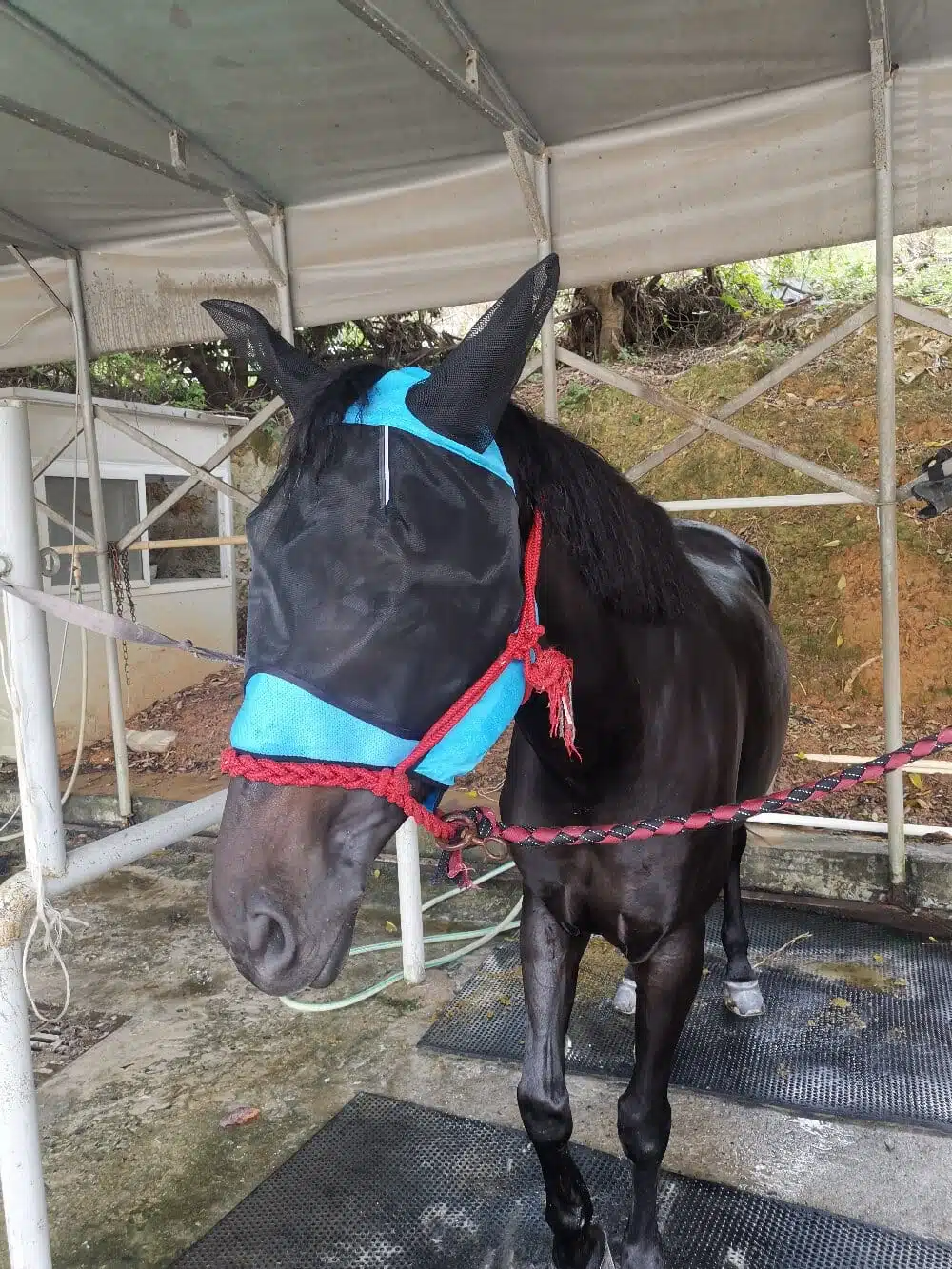

If you have spent any time shopping for equine gear, you have likely seen a horse fly mask marketed as an essential, non-negotiable purchase for every horse owner. But before you add one to your cart, take a step back and ask yourself a critical question: does your horse actually need one, and does the product you are considering deliver real protection? A horse fly mask can be a genuinely useful tool against biting insects, but only when it fits correctly, suits your horse’s environment, and addresses a real problem rather than a manufactured one. Approaching this purchase with a skeptical, evidence-based mindset will save you money and, more importantly, protect your horse from discomfort or injury caused by a poorly chosen mask.
Interrogate the Claims Behind the Horse Fly Mask
Manufacturers love to promise complete insect protection, but critical thinking requires you to separate marketing language from measurable performance. Consider what a fly mask actually does: it creates a physical barrier over the eyes and, in some designs, the ears and muzzle. That barrier works only if the mesh is fine enough to block tiny pests yet breathable enough to prevent overheating. Ask yourself these questions before buying:
- Does the product specify the mesh size, or does it rely on vague terms like “ultra-protection”?
- Are the claims backed by visible design features, such as reinforced stitching or fleece edging, that reduce rubbing?
- Does the mask include UV protection ratings, or is that benefit simply implied?
- Have you checked independent reviews for reports of slippage, rubbing, or tearing?
By demanding specifics, you shift from passive consumer to informed buyer, and you avoid paying a premium for features that exist only in the advertising copy.
Match the Mask to Your Horse’s Real Environment
Your pasture, climate, and herd dynamics matter far more than the label on the packaging. A fly mask designed for a stabled show horse may fail miserably on a turnout horse that rubs against fences and rolls in dusty paddocks. Think critically about your specific situation: if your horse lives with playful companions, flimsy ear netting will not survive a week. If you reside in a humid region, a mask with poor ventilation can trap heat and moisture, creating skin irritation worse than the flies themselves. Consider these practical factors:
- Turnout conditions, including fencing, trees, and mud.
- Seasonal pest pressure in your region.
- Your horse’s tolerance for headgear and history of rubbing.
- Whether you need eye-only coverage or full-face protection.
Rather than accepting a one-size-fits-all recommendation, treat each feature as a hypothesis to test against your horse’s daily reality.
Evaluate Fit, Comfort, and Safety Without Assumptions
Even a well-reviewed horse fly mask can cause harm if it fits poorly. A mask that shifts out of position can obscure vision, and one that is too tight can create pressure sores along the browband or cheek. Before you commit, observe your horse wearing the mask for a short supervised period. Watch for head shaking, attempts to rub it off, or visible gaps around the eyes. Remember that ear holes and forelock openings are not cosmetic details; they affect comfort and airflow. Question whether the fastening system, whether hook-and-loop straps or buckle closures, will hold up to your horse’s behavior and your own daily routine. If a product requires constant readjustment, it is failing its core purpose.
Conclusion: Buy With Discernment, Not Habit
A horse fly mask is neither a miracle cure nor a pointless accessory; it is a tool whose value depends entirely on context, construction, and fit. By questioning marketing claims, matching the product to your horse’s environment, and verifying comfort through direct observation, you make a decision grounded in evidence rather than hype. Your horse benefits most when you act as a thoughtful advocate, not an impulse buyer, so evaluate before you purchase and monitor after you apply.