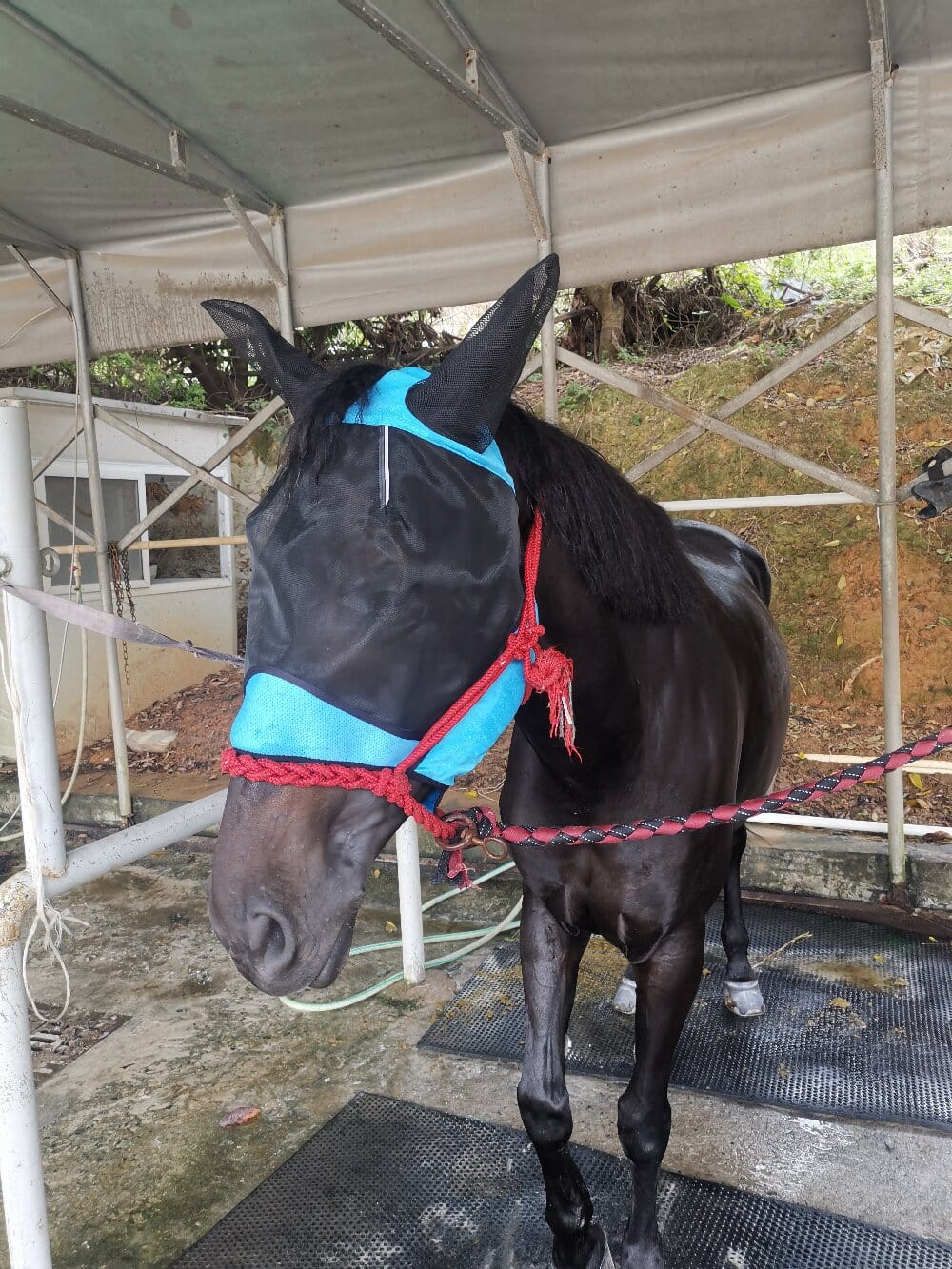
Before you clip a horse fly mask onto your bridle path or pasture turnout, ask yourself a simple question: do you actually know what that mesh is doing for your horse, or are you buying it because everyone else does? A horse fly mask has become almost automatic equipment in many barns, yet critical thinking suggests you should examine the evidence, the design, and the trade-offs before assuming it solves your insect problem. In this article, you will look at fly masks for horses through a skeptical but practical lens, so you can make a decision that genuinely serves your animal.
Interrogate the Claims Behind the Horse Fly Mask
Manufacturers promise protection from flies, gnats, and UV rays, and those promises can be legitimate. But you should separate marketing from measurable benefit. Ask yourself: which insects does this mask actually block? Fine mesh stops biting midges better than coarse mesh, but coarse mesh allows more airflow. A mask with ears protects against black flies around the ear base, while a mask without ears may leave that sensitive area exposed. Consider the following questions before you buy:
- Does the mask have a UV rating, and is that rating independently tested or self-declared?
- Is the mesh fine enough for the pests in your region, or are you paying for protection your horse does not need?
- Does the design include a forelock opening, and will that opening actually prevent rubbing?
- Are the fasteners adjustable enough to stay on without creating pressure points?
Each answer changes the value equation. A cheap mask that rubs the face is worse than no mask at all, while an expensive mask with untested claims may offer little more than a basic mesh screen.
Weigh the Trade-Offs You Might Overlook
Critical thinking means acknowledging costs, not just benefits. Fly masks for horses can reduce eye irritation and protect against insect-borne disease, but they also introduce risks. In hot weather, a poorly ventilated mask can trap heat. In muddy pastures, mesh collects dirt and can chafe. Some horses learn to remove masks, and lost masks become hazards or litter. You should also question fit: a mask that slips can cover the eyes or restrict vision, which is dangerous for a grazing or ridden horse. Before you commit, test the mask during supervised turnout, check for rub marks daily, and confirm your horse can see and move comfortably. If your horse has a history of eye ulcers or sensitive skin, consult your veterinarian rather than assuming a mask is harmless.
Think Critically About Cost, Durability, and Alternatives
You might assume the most expensive horse fly mask is the best, but durability often matters more than price. Inspect stitching, binding, and fastener quality. Ask whether replacement parts are available, because a mask that loses one strap becomes useless. Also consider alternatives: fly sheets, topical repellents, fans in stalls, and strategic turnout timing can complement or reduce the need for a mask. The smartest approach is layered management, not blind reliance on a single product. When you evaluate a mask, compare it against your actual pest pressure, your horse’s behavior, and your budget, rather than against a neighbor’s purchase.
Conclusion
You do not need to reject the horse fly mask, but you should demand evidence before you trust it. Check the mesh, the fit, the fasteners, and the UV claims, then monitor your horse for rubbing, heat, and vision problems. By asking skeptical questions and testing in real conditions, you turn a routine purchase into a deliberate, informed choice that protects your horse and your wallet.