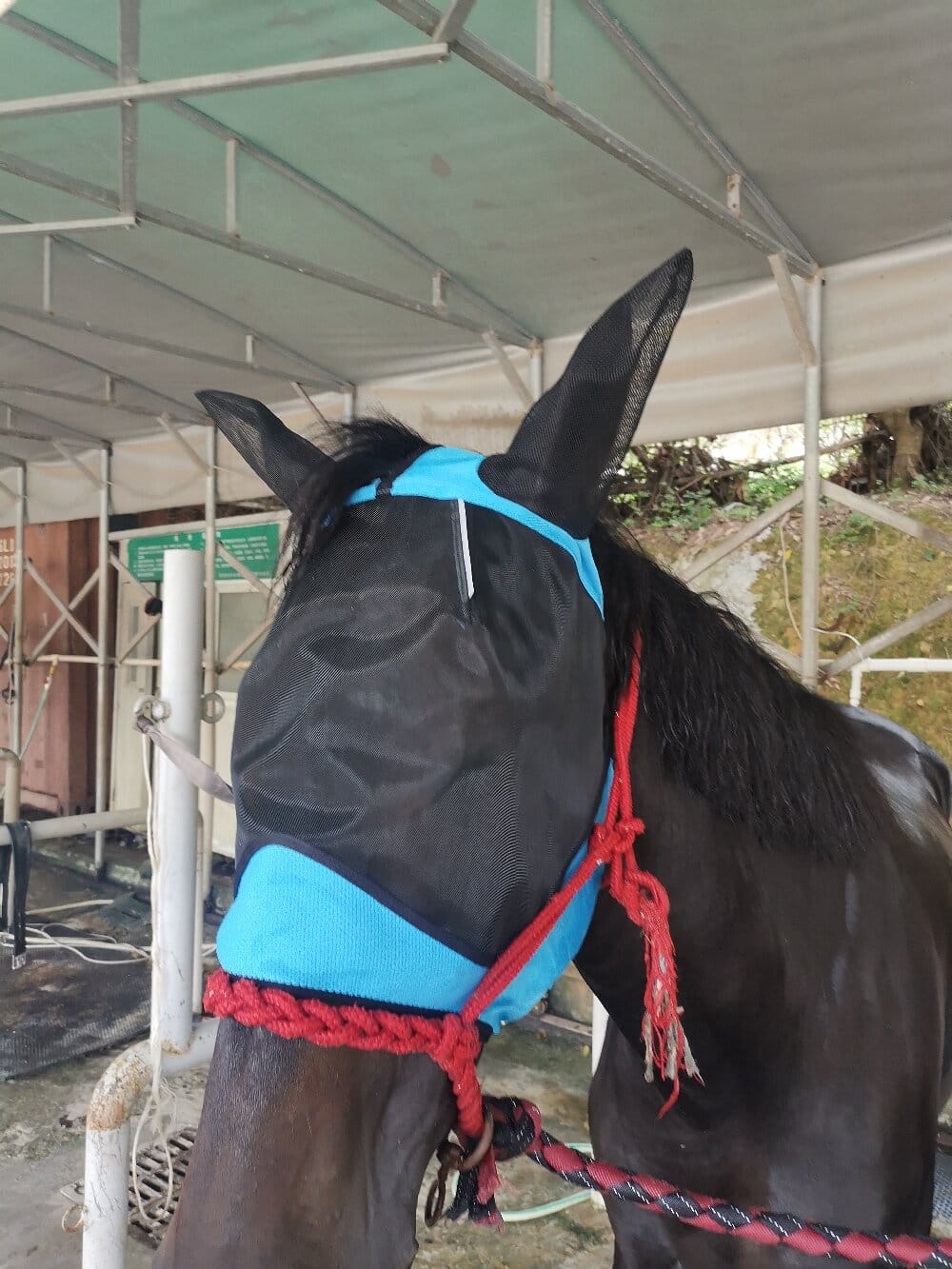
A horse fly mask is a specialized piece of equine protective equipment designed to shield the sensitive areas of a horse’s face—particularly the eyes, ears, and muzzle—from flying insects, UV radiation, and environmental debris. According to veterinary ophthalmologists and equine specialists, the use of a well-fitted fly mask is not merely a comfort measure but a legitimate preventive health tool. Insects such as stable flies, horn flies, and face flies are known vectors for conjunctivitis, habronemiasis, and other ocular conditions, and a quality horse fly mask serves as a first line of defense in reducing these risks.
Key Features Experts Recommend in a Horse Fly Mask
Equine care professionals consistently emphasize that not all fly masks are created equal. When evaluating options, experts advise focusing on construction, fit, and material quality. The following features are frequently cited as essential:
- Mesh density: Fine mesh blocks tiny insects such as midges and gnats while maintaining airflow and visibility.
- UV protection: Masks with built-in UV-blocking fabric help reduce the risk of sunburn and photosensitivity reactions, particularly in horses with pink skin around the eyes and muzzle.
- Fleece or soft binding: Padding at the edges prevents rubbing and hair loss, a common issue with poorly designed masks.
- Ear and muzzle coverage: Extended designs protect against ear ticks and biting flies that target the muzzle.
- Secure fastening: Adjustable straps and reinforced closures keep the mask in place during turnout and exercise.
Fitting and Maintenance: Guidance from Equine Practitioners
Proper fit is arguably as important as the mask itself. A horse fly mask that is too loose can shift and expose the eyes, while an overly tight mask may cause pressure sores and restricted vision. Experts recommend measuring the horse’s head carefully and checking the mask daily for signs of rubbing, especially behind the ears and along the cheekbones. Masks should be inspected for wear and cleaned regularly according to manufacturer instructions—typically with mild soap and water—to prevent dirt buildup that can irritate the skin or impair visibility.
Practitioners also note that masks should be removed periodically to allow the skin to breathe and to inspect for any developing abrasions. During extreme heat, some veterinarians suggest monitoring horses closely, as any facial covering can modestly affect airflow, though most modern mesh designs are engineered to minimize this concern.
When a Horse Fly Mask Is Most Beneficial
While fly masks can be used year-round in some climates, experts identify specific scenarios where they are particularly valuable:
- Peak fly season in spring and summer, when populations of biting insects surge.
- Turnout in pastures near standing water or livestock facilities, where fly pressure is highest.
- Horses with a history of uveitis, conjunctivitis, or photosensitivity, for whom ocular protection is medically important.
- Trail riding and outdoor events where exposure to insects and sun is unavoidable.
Limitations and Professional Cautions
Equine experts are careful to note that a horse fly mask is a management tool, not a substitute for comprehensive fly control. Integrated strategies—including manure management, insect repellents, and stable ventilation—remain essential. Additionally, masks should never be left on a horse unsupervised if there is a risk of snagging on fencing or equipment, as entanglement injuries, though uncommon, are documented. Owners should introduce new masks gradually and monitor behavior for signs of discomfort.
Conclusion
In summary, a horse fly mask is a practical, evidence-supported investment in equine welfare. By selecting a well-constructed mask, ensuring an accurate fit, and maintaining it properly, owners can meaningfully reduce insect-related eye irritation and sun exposure. Veterinary and equine care experts agree that when used as part of a broader fly management plan, a quality horse fly mask contributes directly to healthier, more comfortable horses throughout the fly season and beyond.