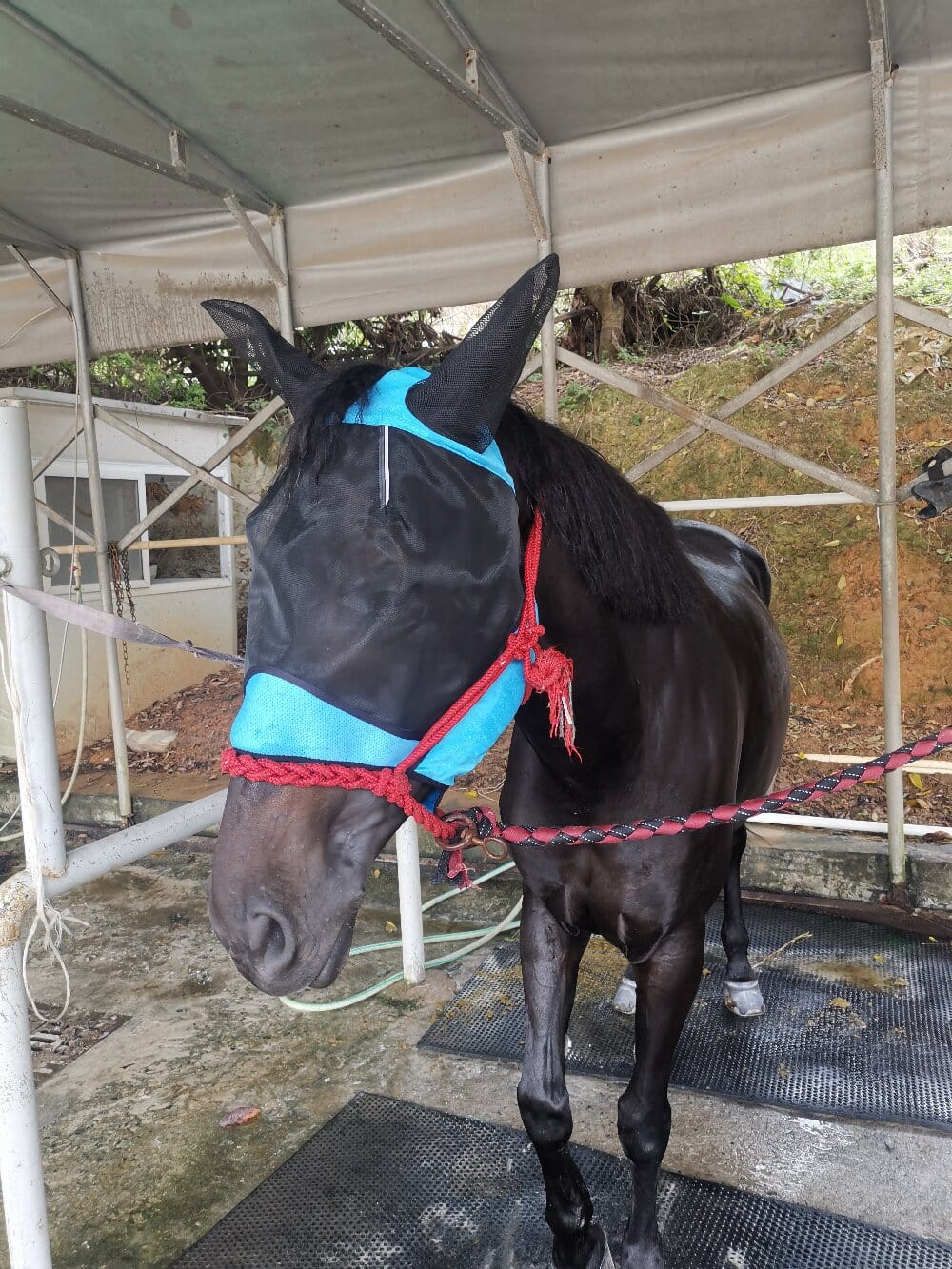

A horse fly mask is a specialized piece of equine equipment designed to protect the sensitive areas of a horse’s face from flying insects, particularly flies, mosquitos, and gnats. According to equine veterinary and husbandry experts, the primary function of these masks is to create a physical barrier that prevents insects from landing on the eyes, ears, and muzzle, thereby reducing irritation, stress, and the risk of insect-borne disease transmission. While the concept appears straightforward, the selection and proper use of a fly mask involve several important considerations that every horse owner should understand to ensure both efficacy and animal welfare.
Key Features Experts Recommend in a Horse Fly Mask
When evaluating options on the market, veterinary ophthalmologists and equine behavior specialists consistently highlight several design and material criteria. The ideal mask should balance durability with comfort, ensuring the horse can see, breathe, and behave normally while wearing it.
- Mesh Density and Visibility: Experts recommend a fine mesh that blocks even small insects like midges (culicoides) while allowing adequate light and airflow. A mesh that is too dark or dense can impair vision and cause distress.
- Fit and Adjustment: A secure but non-restrictive fit is critical. Masks with adjustable straps around the poll and under the jaw prevent rubbing and slipping. Poorly fitted masks can cause abrasions or allow insects to enter through gaps.
- Eye Clearance: The design must keep the mesh away from the eye surface. Darted or reinforced eye areas prevent the fabric from contacting the cornea, which is essential for horses with pre-existing eye conditions or those prone to rubbing.
- Ear and Forelock Protection: Many models include ear covers or a forelock opening. Experts note that ear coverage helps prevent gnat bites inside the ears, a common source of head shaking, while a forelock hole accommodates natural hair without compromising the barrier.
- UV Protection: Some masks offer UV-blocking fabrics, which can be beneficial for horses with sensitive skin or those at risk of squamous cell carcinoma on unpigmented areas.
Proper Use and Maintenance of a Horse Fly Mask
According to extension equine specialists, correct usage significantly extends the lifespan of the mask and protects the horse. Masks should be inspected daily for tears, debris, or displacement. A damaged mask can pose an entanglement risk, so immediate replacement is advised. During turnout, the mask should be removed at least once daily to check for rub marks, swelling, or eye discharge. Cleaning should follow manufacturer guidelines, typically involving gentle hand washing with mild soap and thorough rinsing to maintain mesh integrity and prevent bacterial buildup.
Limitations and Clinical Considerations
While highly beneficial, a horse fly mask is not a substitute for integrated pest management. Experts caution that masks should complement, not replace, fly control strategies such as manure management, insecticide application, and stabling during peak insect activity. Furthermore, horses with ocular disease, corneal ulcers, or facial wounds require veterinary consultation before mask use, as pressure or contamination could exacerbate these conditions. Owners should also monitor for behavioral signs of discomfort, including head rubbing or attempts to remove the mask, which may indicate a poor fit or underlying irritation.
Conclusion
In summary, a horse fly mask is a practical and evidence-supported tool for protecting equine facial health during fly season. By prioritizing proper fit, mesh quality, eye clearance, and daily maintenance, owners can maximize protection while minimizing risks. Experts agree that when used as part of a comprehensive insect control program and with attention to individual horse needs, these masks contribute meaningfully to comfort, welfare, and the prevention of insect-related dermatological and ocular issues.