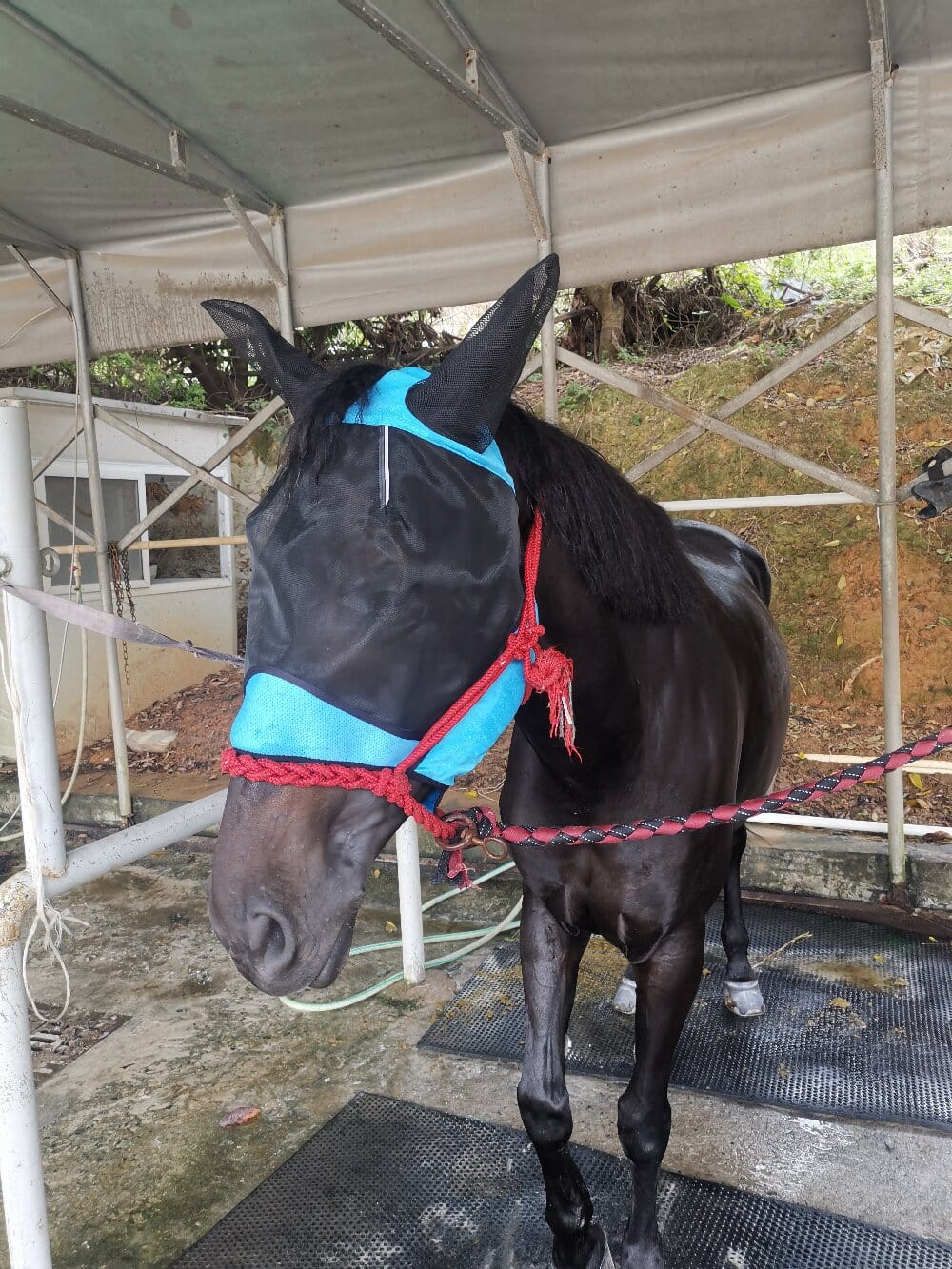
A horse fly mask is a specialized piece of equine equipment designed to protect a horse’s eyes, ears, and face from flying insects, particularly flies and gnats. From an expert perspective, these masks serve a dual purpose: they act as a physical barrier against biting pests and help reduce the stress and irritation that can lead to head shaking, eye infections, and skin reactions. Veterinarians and equine care professionals consistently recommend fly masks as part of a comprehensive insect control strategy, especially during warmer months when fly populations surge. Understanding how these masks function, what features matter, and how to select the right one can significantly improve a horse’s comfort and welfare.
Key Features of an Effective Horse Fly Mask
Not all fly masks are created equal. Experts emphasize that fit, material, and design are the three critical factors determining effectiveness. A poorly fitted mask can rub against the horse’s face, create pressure points, or leave gaps that allow insects to enter. Conversely, a well-designed mask stays securely in place without restricting vision or movement.
When evaluating a horse fly mask, professionals look for the following characteristics:
- Mesh density: Fine mesh blocks tiny insects like gnats and midges while maintaining airflow and visibility.
- UV protection: Many masks offer ultraviolet protection, which is beneficial for horses with sensitive skin or pink skin around the eyes.
- Ear coverage: Optional ear covers help prevent bites on the sensitive ear area, though some horses prefer masks without them.
- Fleece binding: Soft fleece edges reduce rubbing and chafing, particularly around the muzzle and browband.
- Adjustable straps: Secure closures, such as hook-and-loop fasteners, allow for a customized fit and quick removal.
Expert Guidance on Choosing and Using a Horse Fly Mask
Equine professionals advise that the selection process should begin with a proper measurement of the horse’s head. Masks should sit comfortably over the eyes without touching the eyelashes, and they should not interfere with the horse’s field of vision. Experts also recommend introducing the mask gradually, allowing the horse to become accustomed to wearing it during supervised periods before leaving it on for extended durations.
Routine maintenance is equally important. Masks should be inspected daily for tears, loose straps, or debris accumulation. Washing masks regularly with mild soap prevents dirt and sweat from causing skin irritation. Professionals caution against leaving masks on horses in extreme heat without monitoring, as airflow can be compromised if the mesh becomes clogged with dust. Additionally, masks should be removed at night unless specifically designed for overnight use, giving the skin and coat time to breathe.
Integrating Fly Masks into a Broader Insect Control Plan
While a horse fly mask is a valuable tool, experts stress that it should complement, not replace, other fly management methods. Effective strategies include:
- Applying equine-safe insect repellents to exposed areas.
- Using fly sheets and leg wraps for full-body protection.
- Maintaining clean stables and removing manure regularly.
- Installing fans and screens in stalls to reduce insect presence.
- Providing shaded turnout areas where horses can escape peak fly activity.
This integrated approach reduces reliance on any single method and creates a more comfortable environment for the horse.
Conclusion
A horse fly mask is an essential piece of protective equipment that supports equine health and comfort during fly season. By prioritizing proper fit, durable materials, and consistent maintenance, owners and caretakers can maximize the benefits of this tool. Experts agree that combining a well-chosen mask with broader insect control practices yields the best results, ensuring horses remain protected, calm, and free from the irritation caused by flying pests.