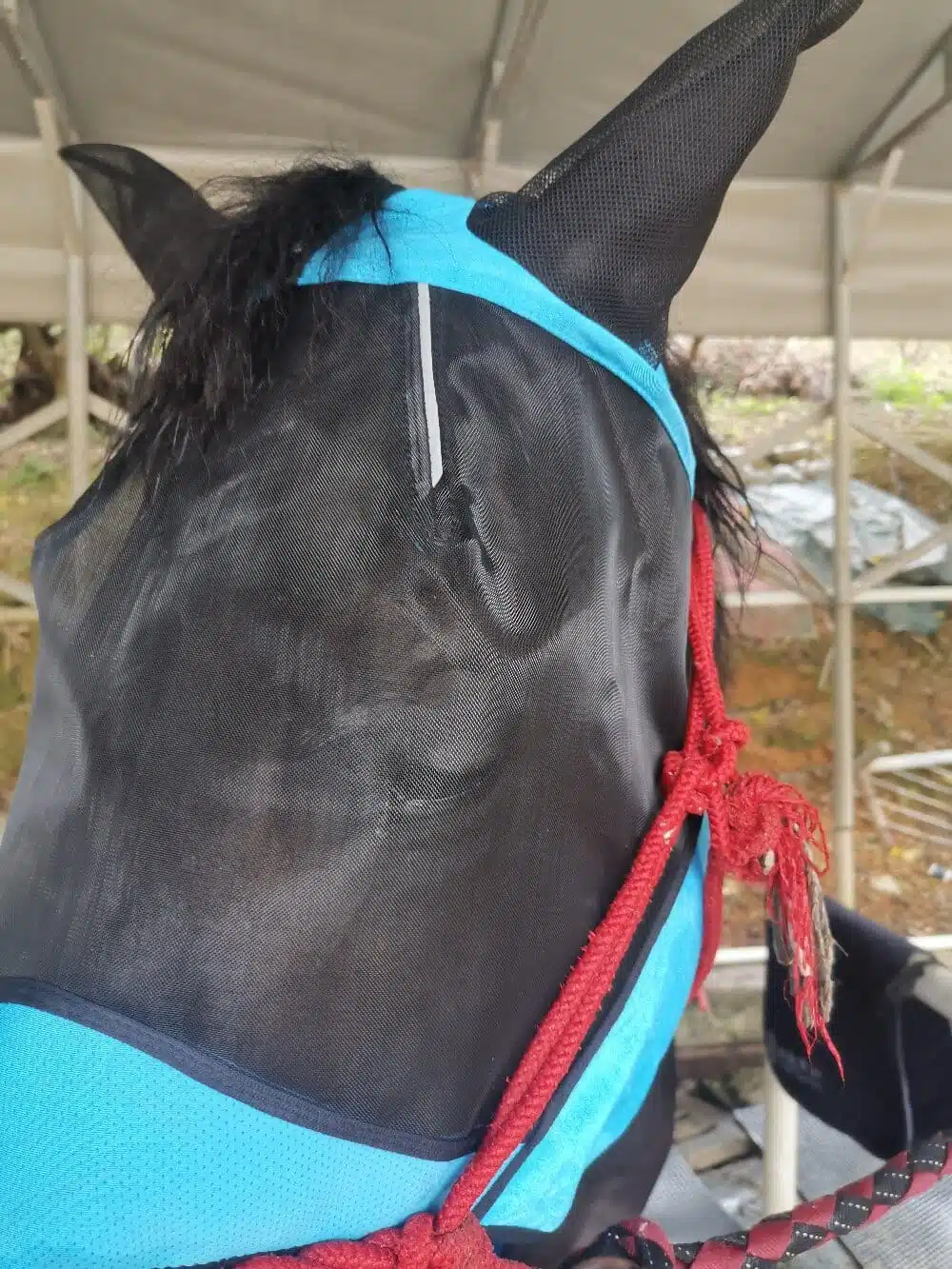

A horse fly mask is a lightweight, mesh covering designed to fit over a horse’s head and protect sensitive areas from biting insects, particularly flies and gnats. While it may look like a simple piece of equipment, choosing and using one effectively requires attention to fit, material, and the specific needs of the animal. This practical guide outlines what to consider when selecting and maintaining fly protection for your horse.
Key Features to Evaluate Before Buying a Horse Fly Mask
Not all masks are constructed the same way. Before purchasing, examine the following characteristics to ensure the product suits your horse’s environment and temperament.
- Mesh density: Finer mesh blocks smaller insects such as midges and no-see-ums, while coarser mesh offers better airflow and visibility. For horses prone to sweet itch, a fine mesh with a nose extension is often preferable.
- UV protection: Many masks now include UV-blocking fabric, which helps reduce sunburn on light-skinned horses and offers relief during bright summer months.
- Ear and nose coverage: Removable or integrated ear covers protect against flies entering the ears, while nose fringes shield the muzzle without obstructing breathing.
- Fastening system: Look for adjustable hook-and-loop straps or elastic bands that secure the mask without creating pressure points behind the ears or under the jaw.
- Durability: Reinforced stitching and tear-resistant mesh extend the life of the mask, especially for horses that rub against fences or pasture mates.
How to Achieve a Proper Fit
A poorly fitted mask can rub, slip over the eyes, or allow insects to reach the face. Follow these steps to check fit:
- Measure the horse’s head from the poll (behind the ears) to the end of the nose to determine the correct size.
- Place the mask so the eye openings align with the horse’s eyes, leaving no gaps where flies can enter.
- Adjust straps so two fingers can slide comfortably underneath; tighter straps may cause chafing, while looser ones allow the mask to shift.
- Observe the horse for several minutes after fitting to ensure it can see, eat, and drink normally.
Maintenance and Hygiene Practices
Regular care prolongs the life of the mask and protects the horse’s skin. Rinse the mask with mild soap and water every week during peak fly season, especially if the horse sweats heavily or grazes in dusty areas. Inspect seams and straps for wear before each use, and replace the mask at the first sign of fraying or stretched elastic. Rotating between two masks allows one to dry fully while the other is in use, reducing the risk of bacterial buildup.
Keep in mind that a fly mask is a supplement to, not a replacement for, broader insect control. Combine its use with fly sprays, stable fans, and manure management for the most effective protection.
Common Mistakes to Avoid with a Horse Fly Mask
- Leaving the mask on continuously without checking for rubs, particularly behind the ears and along the cheekbones.
- Using a mask in wet conditions without verifying that the mesh dries quickly; prolonged dampness can irritate the skin.
- Ignoring the horse’s behavior; head shaking or attempts to remove the mask may indicate discomfort or an improper fit.
Summary
Selecting a suitable horse fly mask involves matching mesh type, coverage, and fastening to your horse’s needs, then confirming a secure and comfortable fit. Consistent cleaning, routine inspection, and pairing the mask with other insect-control measures will keep your horse comfortable and protected throughout fly season.