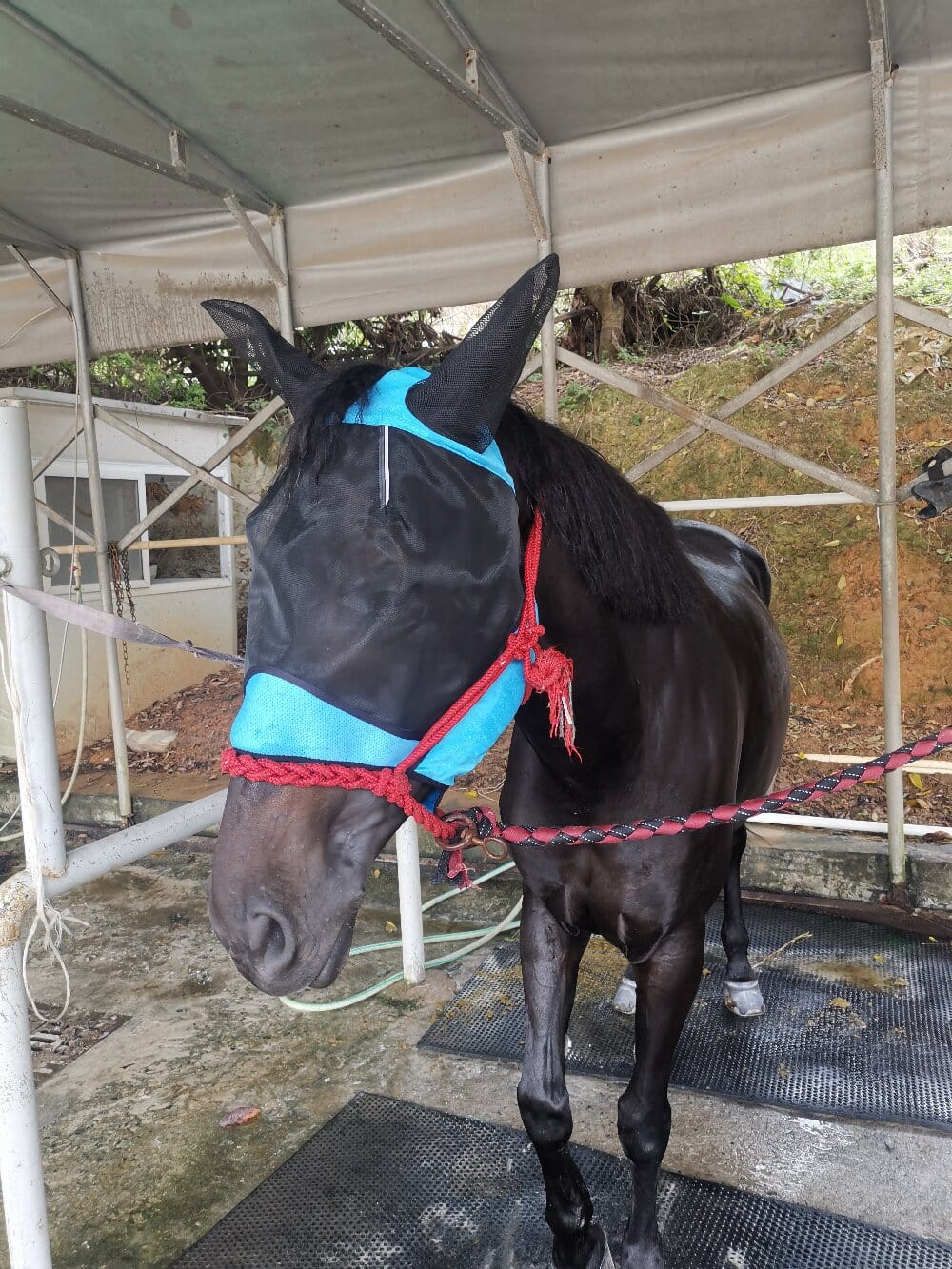
A horse fly mask is a lightweight mesh covering designed to fit over a horse’s head and protect the eyes, ears, and face from biting insects and harmful UV rays. Used correctly, it reduces irritation from flies, gnats, and stable flies, limits sun exposure around sensitive eyes, and helps prevent conditions such as pinkeye and insect-borne infections. This practical guide explains how to choose, fit, and maintain a fly mask so it delivers real protection without causing rubbing or stress to the horse.
Key Features to Evaluate Before Buying a Horse Fly Mask
Not all masks are built the same, and the right choice depends on your horse’s environment, turnout schedule, and skin sensitivity. Evaluate these features before purchasing:
- Mesh density and material: Fine mesh blocks small insects such as midges, while heavier mesh offers more durability but less airflow. Look for breathable, UV-resistant fabrics.
- Coverage style: Standard masks cover the eyes and forehead; extended versions add ear covers, nose protection, or a full-face design for horses sensitive to sunburn or biting flies on the muzzle.
- UV protection rating: A mask with a stated UV block helps reduce sun damage around the eyes and face, particularly for light-skinned horses and those with pink skin.
- Closure system: Hook-and-loop straps, buckles, or elastic bands vary in security and ease of use. Double closures reduce the risk of the mask being pulled off in the field.
- Reinforced edges and seams: Bound edges and strong stitching extend the life of the mask and reduce rubbing along the jaw and brow.
How to Fit a Horse Fly Mask Correctly
Proper fit is the difference between effective protection and a mask that rubs, slips, or compromises vision. Follow these steps when fitting a new mask:
- Place the mask so the eye openings sit clear of the eyes, with no mesh touching the eyelashes or cornea.
- Check that the ears, if covered, sit comfortably without pulling or folding.
- Fasten straps snugly enough to prevent slipping but loose enough to allow two fingers underneath.
- Watch the horse walk and graze; the mask should stay in place without shifting over the eyes.
- Remove the mask daily for the first week to inspect for rub marks, especially along the brow and cheek.
Maintenance and Safety Checks
Inspect the mask daily for tears, stretched straps, and debris trapped inside. Rinse or hand-wash it regularly according to the manufacturer’s instructions, and air-dry it fully before use to prevent mildew. Replace damaged masks promptly, since a torn edge can catch on fences or cause eye injury. During extreme heat, monitor the horse for signs of overheating and remove the mask if the horse shows discomfort.
Common Mistakes to Avoid
Buying a mask without measuring the horse’s head, leaving a mask on 24/7 without inspection, and ignoring early signs of rubbing are frequent errors. A mask that fits one horse may not suit another, so check sizing charts and adjust straps carefully. Pairing a fly mask with an effective insect control program, including fly sprays and manure management, delivers better results than relying on the mask alone.
Summary
Selecting the right horse fly mask comes down to mesh quality, coverage, UV protection, and a secure closure, followed by careful fitting and routine inspection. Used consistently and maintained properly, a well-fitted fly mask protects the eyes and face from insects and sunlight while keeping the horse comfortable through fly season.