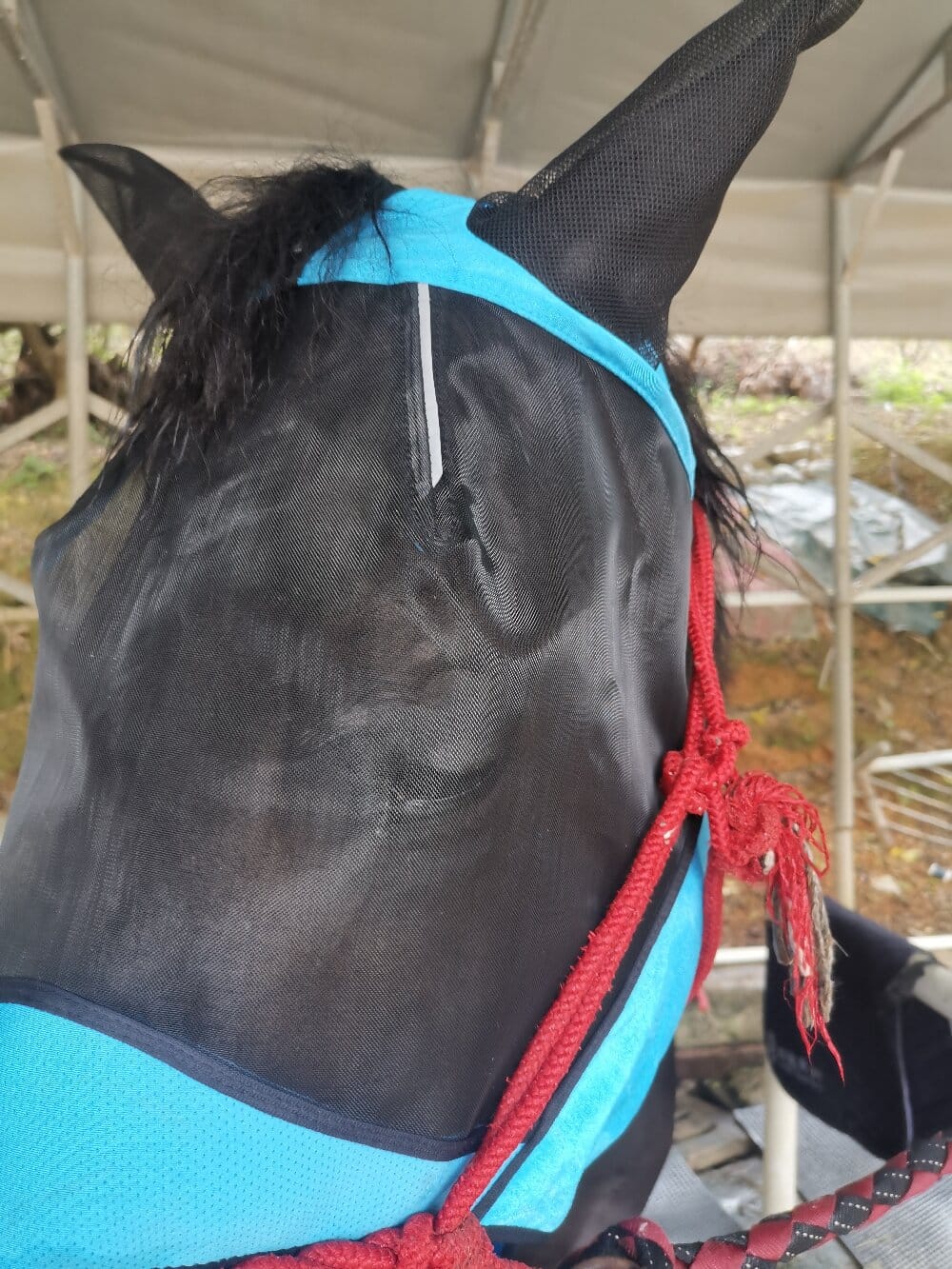
A horse fly mask is a lightweight, mesh covering designed to fit over a horse’s head and protect sensitive areas from flying insects. While the name suggests a single purpose, these guards serve several practical functions in daily equine care. They shield the eyes, ears, and face from biting flies, minimize irritation that can lead to head shaking, and help reduce the risk of insect-borne eye conditions. For horse owners dealing with seasonal pests, a well-fitted mask is often one of the simplest and most effective tools in the barn.
Key Features to Evaluate Before Buying
Not all masks are constructed the same way, and the right choice depends on your horse’s environment, temperament, and turnout routine. When comparing options, focus on these practical details:
- Mesh density and visibility: Finer mesh blocks smaller insects but can reduce airflow; look for breathable fabric that still allows clear vision.
- UV protection: Many masks include UV-blocking material, which is helpful for horses with sensitive skin or pale coats.
- Ear coverage: Removable or built-in ear covers protect against gnats and midges, though some horses resist ear handling.
- Fit and adjustment: Fleece-lined edges and adjustable straps reduce rubbing and help the mask stay in place during turnout.
- Durability: Reinforced stitching and sturdy binding matter for horses that rub against fences or paddock structures.
How to Fit a Horse Fly Mask Correctly
Proper fit is the difference between effective protection and constant discomfort. A mask that is too loose can shift over the eyes or slip off entirely, while one that is too tight may cause rub marks along the cheeks and brow. Follow these steps for a secure fit:
- Measure from the poll (behind the ears) to the end of the muzzle, and around the widest part of the face.
- Place the mask so the eye darts align with your horse’s eyes and nothing presses against the eyelashes.
- Fasten straps snugly enough to prevent slipping but loosely enough to slide a finger underneath.
- Check for gaps at the throat latch and behind the ears, where friction most often develops.
- Recheck the fit after the first few hours of wear and adjust as needed.
Managing Wear, Cleaning, and Common Problems
Even a high-quality mask requires regular attention. Inspect it daily for tears, stretched elastic, and debris trapped in the mesh. Rinse or hand-wash the mask periodically with mild soap, then air-dry it fully before use to prevent mildew. If you notice rub marks, a thin fleece padding or a different strap style often solves the issue. Some horses learn to remove masks by rubbing; in these cases, a browband-style strap or a mask with additional attachment points can help. Always introduce a new mask gradually and monitor the horse during the first turnout session.
Choosing the Right Horse Fly Mask for Your Situation
Selection should match the specific pressures your horse faces. For turnout in open pastures with heavy fly populations, a full-face design with ear protection is usually the most practical. For stabled horses or light exercise, a simpler eye-only mask may be sufficient. Horses with sensitive skin benefit from smooth, seam-free interiors, while rugged field conditions call for heavier binding and reinforced seams. Consider owning at least two masks so one can be cleaned while the other is in use, and replace any mask that no longer holds its shape or fastens securely.
Summary
A horse fly mask is a small investment with clear day-to-day benefits: fewer insect bites, less eye irritation, and greater comfort during turnout. By evaluating mesh quality, fit, and durability, and by maintaining the mask properly, owners can extend its useful life and keep their horses protected through fly season. Matching the design to your horse’s environment and checking fit regularly will deliver the most reliable results.