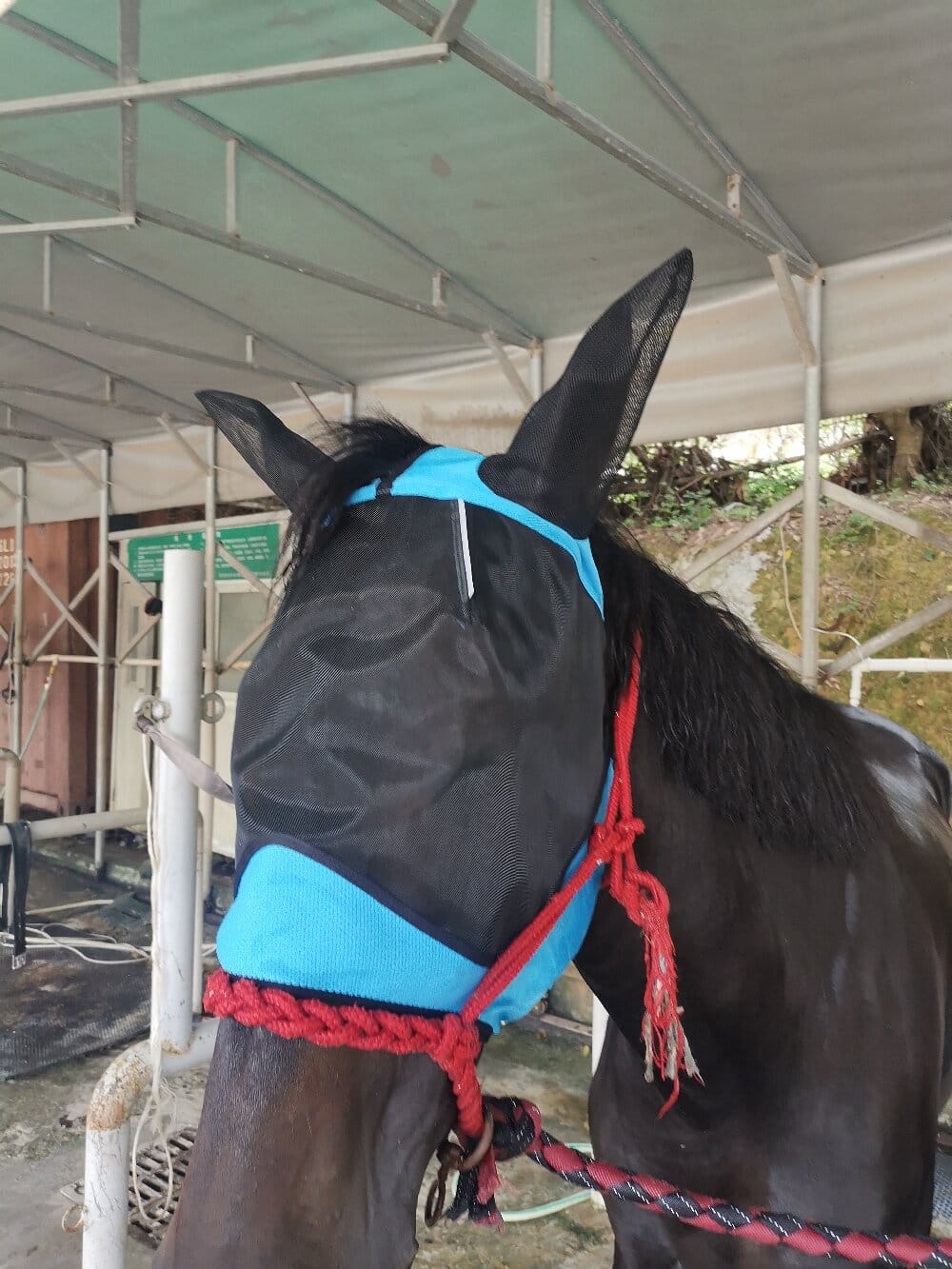
A horse fly mask is a specialized piece of equine equipment designed to shield the sensitive areas of a horse’s head from flying insects, particularly during the warmer months when pest activity peaks. From an expert perspective, these masks serve a dual purpose: they protect against physical irritation caused by bites and reduce the risk of insect-borne diseases. Veterinarians and equine care professionals consistently emphasize that fly masks are not merely a comfort item but a practical tool in comprehensive horse health management. Understanding how these masks function, what materials are most effective, and how to select the right fit can significantly improve a horse’s welfare and performance.
Key Features to Evaluate in a Horse Fly Mask
When selecting a horse fly mask, experts recommend evaluating several critical features to ensure both effectiveness and safety. The mesh density plays a central role in determining protection levels. Finer mesh blocks smaller insects such as gnats and midges, while slightly coarser mesh offers greater airflow and visibility. Manufacturers typically rate mesh using a percentage system, with higher percentages indicating smaller openings.
Other important considerations include:
- UV protection: Many modern masks incorporate UV-blocking fabrics that help prevent sunburn and reduce glare, which is particularly beneficial for horses with light-colored coats or sensitive skin.
- Fit and adjustability: Straps, fleece padding, and adjustable closures should allow a secure fit without causing rubbing or pressure points. Poorly fitted masks can slip, create abrasions, or allow insects to enter through gaps.
- Ear coverage: Optional ear covers provide additional defense against flies that target the ears, though they must not impair hearing or trap heat excessively.
- Durability and washability: Masks that withstand repeated washing and resist tearing offer better long-term value and hygiene.
Expert Guidance on Proper Fitting and Usage
Equine professionals stress that correct fitting is essential for a horse fly mask to function as intended. A properly fitted mask should sit comfortably away from the eyes, allowing full eyelash movement and unobstructed vision. Straps should be snug enough to prevent removal by the horse or pasture mates but loose enough to avoid chafing. Experts recommend checking fit daily, especially during turnout, and inspecting the mask for wear or damage that could compromise protection.
Usage guidelines also matter. Masks should be removed periodically to inspect the horse’s face for irritation, discharge, or skin reactions. During extreme heat, some horses may benefit from masks with lighter mesh or open ear designs to maintain airflow. Additionally, masks should be cleaned regularly according to manufacturer instructions to prevent bacterial buildup and maintain mesh integrity.
Benefits and Limitations of Fly Mask Use
Research and clinical experience support the use of fly masks as part of an integrated pest management strategy. Benefits include reduced incidence of insect bite hypersensitivity, lower stress levels during turnout, and protection against eye conditions such as conjunctivitis and keratitis triggered by flies. However, experts caution that masks are not a substitute for other control measures such as fly sprays, topical repellents, and environmental management. Horses with certain medical conditions, such as corneal ulcers, should be evaluated by a veterinarian before mask use, as improper fit could exacerbate eye issues.
Conclusion
Selecting and maintaining a horse fly mask requires informed decision-making grounded in equine health principles. By prioritizing proper fit, appropriate mesh density, and regular inspection, owners and caretakers can maximize the protective benefits of these masks while minimizing risks. When integrated with broader insect control practices, a well-chosen fly mask remains a valuable component of responsible horse care during fly season.