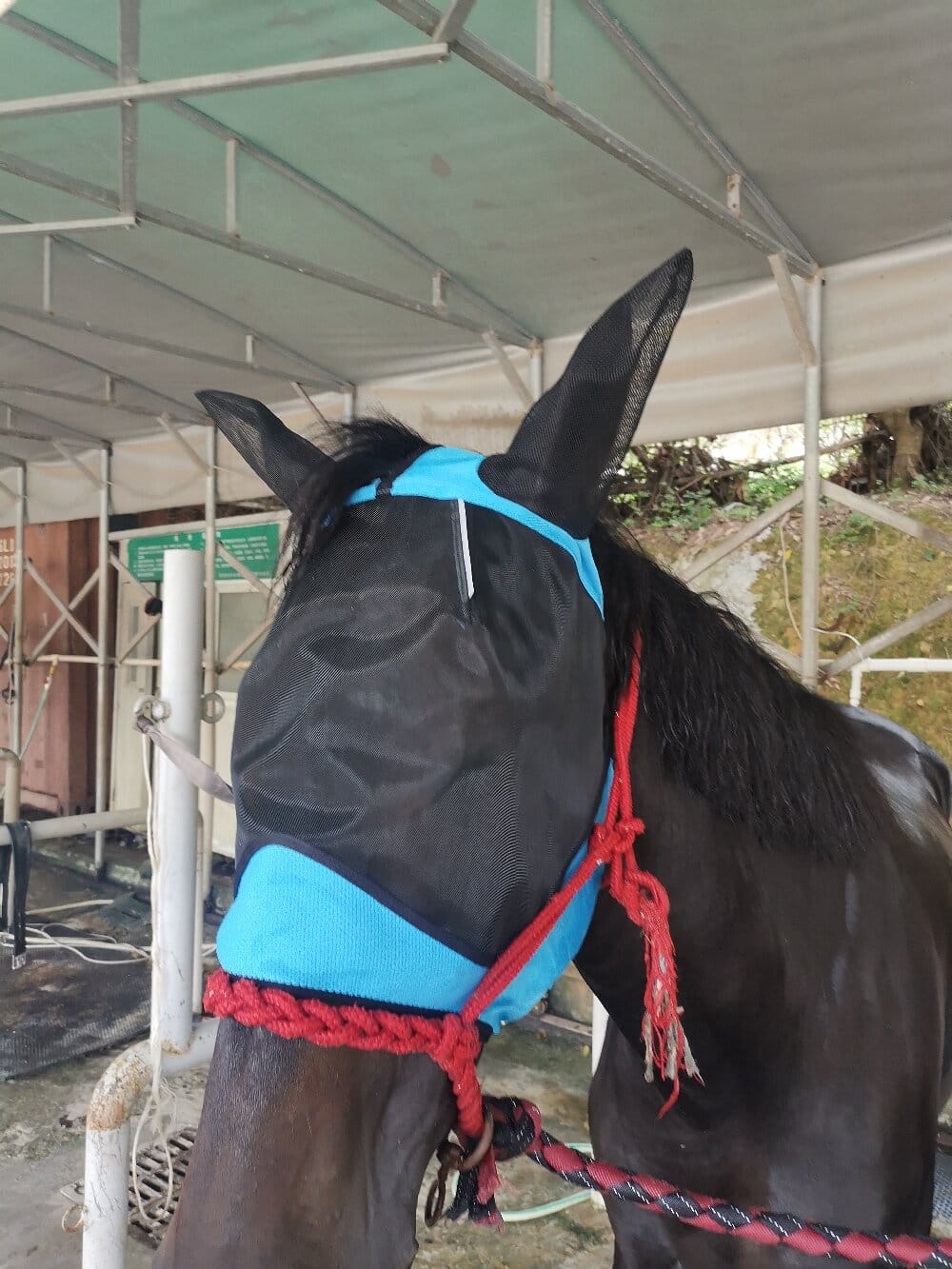
A horse fly mask is an essential piece of equine tack for many owners, especially during the warmer months when flying insects become a persistent nuisance. This practical guide explains how these protective covers work, what features to prioritize, and how to choose the right fit for a horse’s individual needs. Whether the goal is to prevent head-shaking, protect against eye irritation, or reduce stress during turnout, understanding the details of fly masks makes selection far easier.
Flies, gnats, and midges can cause significant discomfort around a horse’s sensitive eyes, ears, and muzzle. Constant buzzing and biting may lead to head tossing, rubbing, and even minor skin infections. A well-made mask acts as a physical barrier, keeping insects away from delicate areas without restricting vision. For horses with pink skin or a history of uveitis, the added UV protection is a valuable bonus during bright summer days.
Beyond insect defense, these masks help reduce the spread of contagious eye conditions by limiting direct contact between horses. They also minimize dust and debris kicked up in dry paddocks, which is especially helpful for animals prone to eye discharge or irritation.
Key Features to Look for in a Horse Fly Mask
Not all masks are created equal. Riders and caretakers should evaluate several design elements before purchasing:
- Mesh density: Finer mesh blocks tiny midges and gnats, while slightly larger mesh offers better airflow for hot climates.
- Ear coverage: Removable or integrated ear covers protect against biting insects but should not trap heat or debris.
- Fleece trim: Soft binding along the edges prevents rubbing, particularly around the forehead and cheekbones.
- Forelock opening: A gap that allows the forelock to sit naturally improves comfort and keeps the mask positioned correctly.
- Adjustable straps: Hook-and-loop closures under the jaw and over the poll allow a customized, secure fit.
- UV protection: Masks with UV-blocking fabric shield light-sensitive eyes and pink skin from sunburn.
Choosing the Correct Fit for Comfort and Safety
Proper sizing is critical. A mask that is too tight can rub the face and restrict eyelid movement, while an overly loose mask may shift, covering the eyes or slipping off entirely. Measure the horse’s head from the poll to the muzzle and around the widest part of the jaw, then compare those numbers to the manufacturer’s size chart. As a rule of thumb, two fingers should fit comfortably beneath the chin strap.
During initial wear, check for signs of rubbing behind the ears and along the noseband. Introduce the mask gradually, allowing the horse to wear it for short periods before full-day turnout. Inspect the mask daily for tears, stretched straps, or accumulated dirt, and hand-wash it regularly with mild soap to maintain hygiene and mesh integrity.
Practical Tips for Daily Use and Maintenance
- Rotate between two masks so one can be cleaned while the other is in use.
- Remove the mask during ridden work unless the product is specifically designed for exercise.
- Check ears and eyes each time the mask is taken off to catch irritation early.
- Store masks in a dry, ventilated area to prevent mildew and fabric breakdown.
- Replace masks at the first sign of significant wear, as compromised mesh offers little protection.
Summary
Selecting a horse fly mask comes down to balancing protection, fit, and breathability. Prioritize fine mesh, soft trim, and adjustable closures, then confirm sizing with accurate measurements. With routine inspection and regular cleaning, a quality mask becomes a reliable, low-maintenance tool that keeps horses comfortable and healthy throughout fly season.