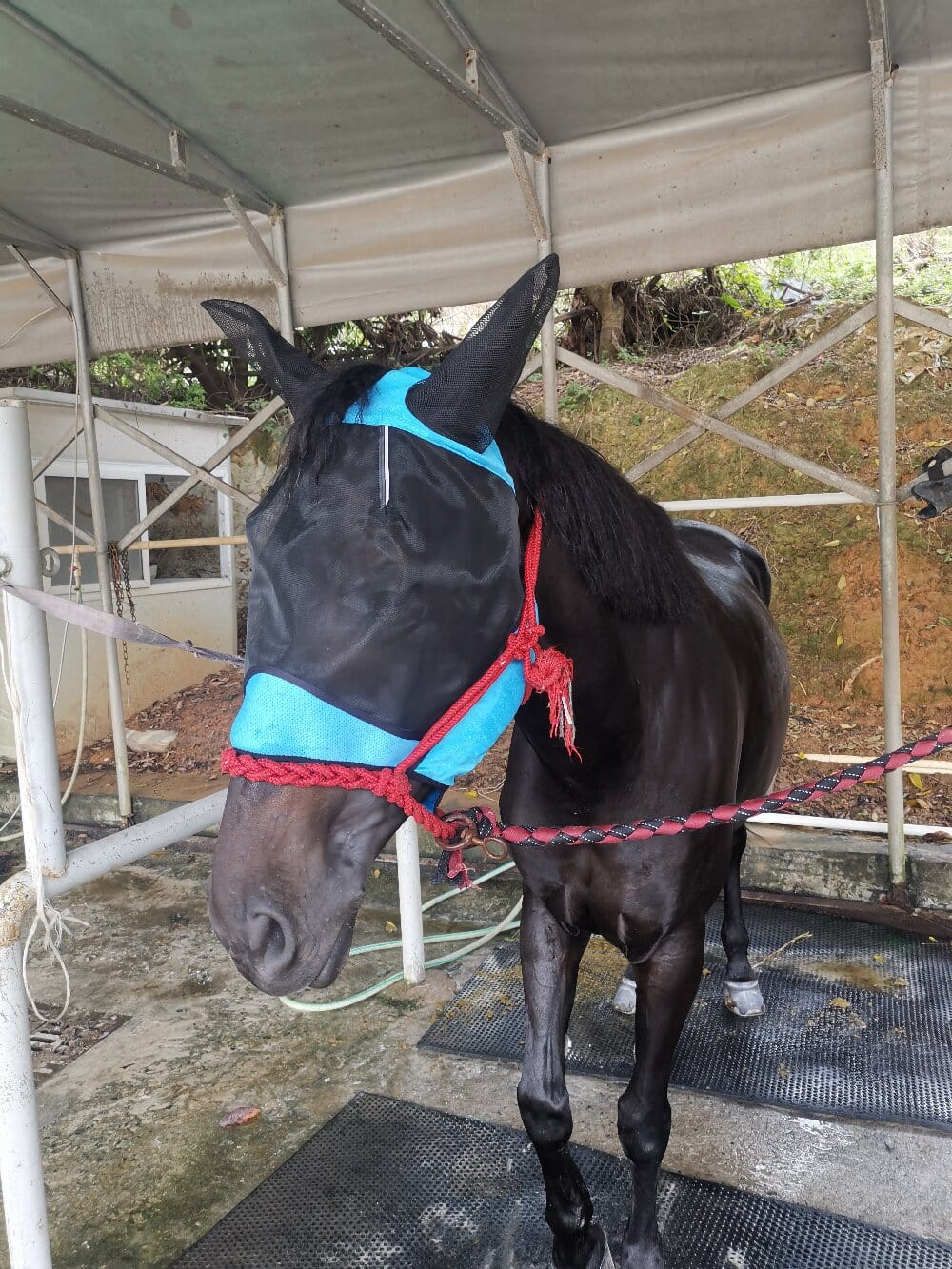
If you’ve been browsing equestrian gear lately, you’ve probably noticed that the modern horse fly mask has evolved far beyond the basic mesh hood of a few years ago. Today’s models are engineered with UV protection, ergonomic fit, and breathable fabrics that keep your horse comfortable through the hottest months. Whether you’re managing a sensitive-skinned show horse or a hardy pasture companion, understanding the latest trends in fly masks will help you choose a protective solution that actually stays on and does its job.
Fly season is more than a nuisance—it’s a genuine welfare concern. Biting insects can cause irritation, spread disease, and even contribute to conditions like sweet itch. The newest generation of fly masks addresses these problems with smarter materials and construction. You’ll find fine-mesh fabrics that block tiny midges while allowing airflow, plus soft binding around the edges to prevent rubbing. Many masks now include extended nose coverage and ear protection, giving your horse head-to-neck defense without the bulk of older designs.
Another trend worth noting is the shift toward durability. Manufacturers are reinforcing seams and using stretch panels that move with your horse, which means fewer masks lost in the field and less money spent replacing torn gear mid-season.
Key Features to Look for in a Modern Horse Fly Mask
When you’re shopping, it helps to know which features separate a quality mask from a bargain-bin miss. Here’s what the latest products prioritize:
- UV-blocking mesh: Protects against sunburn and reduces glare, especially valuable for horses with pink skin around the muzzle and eyes.
- Fleece or rolled edge trim: Minimizes friction along the browband and nose, reducing the risk of rubs during long turnout hours.
- Adjustable closures: Hook-and-loop straps under the throat allow a customized fit that stays secure without restricting movement.
- Ear and forelock accommodation: Removable ear covers and forelock openings keep the mask comfortable for horses with different hair patterns.
- Breathable, lightweight fabric: Keeps air circulating so your horse doesn’t overheat on humid days.
You’ll also notice more color options and reflective piping on newer masks—practical touches that make the mask easier to spot in the pasture and add a bit of visibility during low-light turnout.
How to Fit a Horse Fly Mask Correctly
Even the best-designed mask won’t work if the fit is off. Start by measuring from the top of your horse’s head to just below the jaw, and check the manufacturer’s sizing chart rather than guessing. The mask should sit smoothly over the eyes without pressing on the eyelashes, and the nose portion should cover the muzzle without gaping open. You should be able to slide two fingers under the throat strap—snug enough to stay put, loose enough to avoid pressure points. If your horse has a particularly wide forehead or a long face, look for brands that offer cob, full, and extra-full sizes with adjustable straps.
Caring for Your Fly Mask to Extend Its Lifespan
To get the most out of your investment, rinse the mask regularly with mild soap and water, especially if your horse sweats heavily or rolls in dusty paddocks. Check straps and seams weekly for wear, and rotate between two masks if your horse wears one daily. Storing the mask clean and dry when not in use prevents mildew and keeps the mesh intact for seasons to come.
Final Thoughts on Choosing the Right Fly Mask
The latest horse fly mask options combine comfort, protection, and durability in ways that genuinely improve your horse’s summer experience. Focus on breathable UV-blocking mesh, a secure adjustable fit, and soft edging to prevent rubs, and you’ll have a mask that stays in place and keeps pests at bay. With a little attention to sizing and care, you can protect your horse’s face and eyes all season long—without the constant worry of lost or damaged gear.