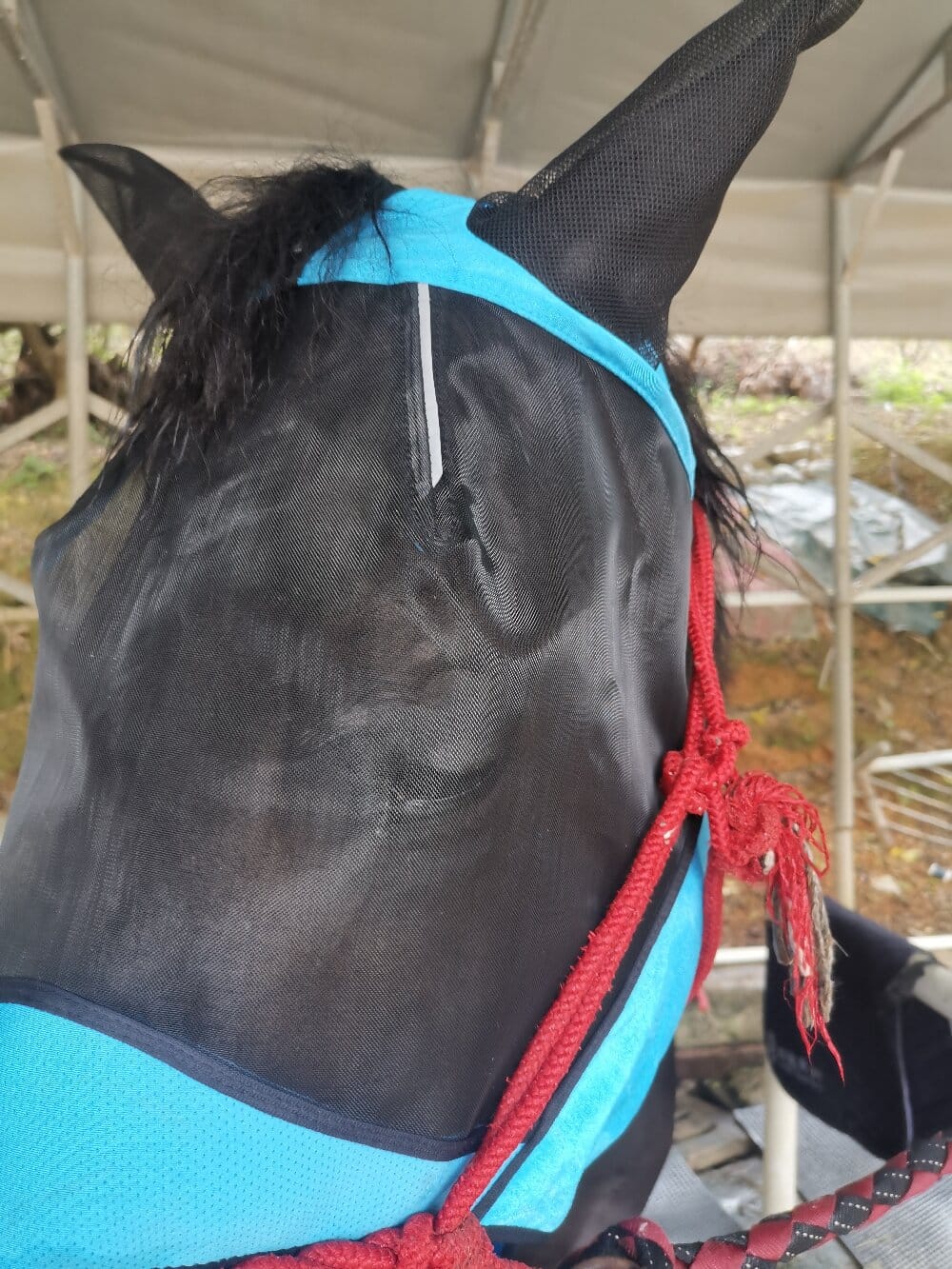
I’ve been testing horse fly masks for the past three seasons, and the category has changed more in that time than in the previous decade. What used to be a simple mesh hood has evolved into a piece of equine wearable tech, and the latest trends are worth knowing before you spend your money this summer.
Fly season is getting longer and more intense in many regions, and horse owners are responding with smarter protection. The newest fly masks for horses combine fine mesh with UV-blocking fabric, and several brands now publish actual UV protection ratings rather than vague claims. I’ve noticed more riders treating these masks as daily turnout gear rather than occasional accessories, which explains the surge in durable, weather-resistant designs.
Another trend I’m seeing: color. Earth tones and pastels have replaced basic black, and matching mask-and-sheet sets are everywhere. It’s cosmetic, sure, but it also makes masks easier to spot in the field — a small practical win I appreciate.
Latest Trends in Horse Fly Mask Design
Here’s what’s actually new and useful, based on my own trial-and-error:
- Ear and forelock integration: Removable ear covers and forelock openings are now standard on mid-range and premium models. I love masks that let me adjust coverage without buying a second product.
- Reinforced binding and double stitching: The weak point has always been the seams. Newer masks use bound edges and stronger stitching, which has noticeably extended lifespan in my herd.
- Adjustable, low-rub closures: Fleece-lined straps and quick-release buckles reduce rub marks. This matters most for horses that wear masks around the clock.
- Darting and ergonomic shaping: Instead of a flat cone, modern masks are cut to follow the horse’s head, keeping mesh off the eyes and lashes.
- Reflective trim: A small but growing feature, especially for owners who turn out near roads or in low light.
I’ve also noticed more attention to breathability. The best mesh I’ve used blocks tiny biting insects while still letting air move, which keeps the face cooler on brutal afternoons.
What I Look For Before Buying
Trends aside, fit still decides everything. A mask that shifts or presses on the eyes gets rubbed off within hours. My checklist:
- Measure head length and width, then check the brand’s size chart rather than guessing.
- Confirm the mesh density suits your local pests — finer for midges, slightly more open for large flies.
- Check for UV protection if your horse has pink skin or a thin coat.
- Look for replaceable parts, especially ear covers and straps.
- Wash gently and inspect seams monthly; even good masks wear at the edges first.
Common Mistakes I Made (So You Don’t Have To)
Early on, I bought cheap masks that stretched out after two weeks and left pressure marks. I also overloaded on features — a mask with too many straps was fiddly and got caught on fencing. My advice: prioritize fit, mesh quality, and seam construction over novelty add-ons, then add ear protection only if your horse truly needs it.
Final Thoughts on Choosing a Horse Fly Mask
The market is moving toward better materials, smarter shaping, and more honest UV claims, which is genuinely good news for horses and owners alike. Focus on a precise fit, durable stitching, and breathable fine mesh, and replace worn masks before the seams fail. Done right, a quality fly mask becomes the hardest-working piece of summer turnout gear you own — and your horse will thank you by keeping it on.