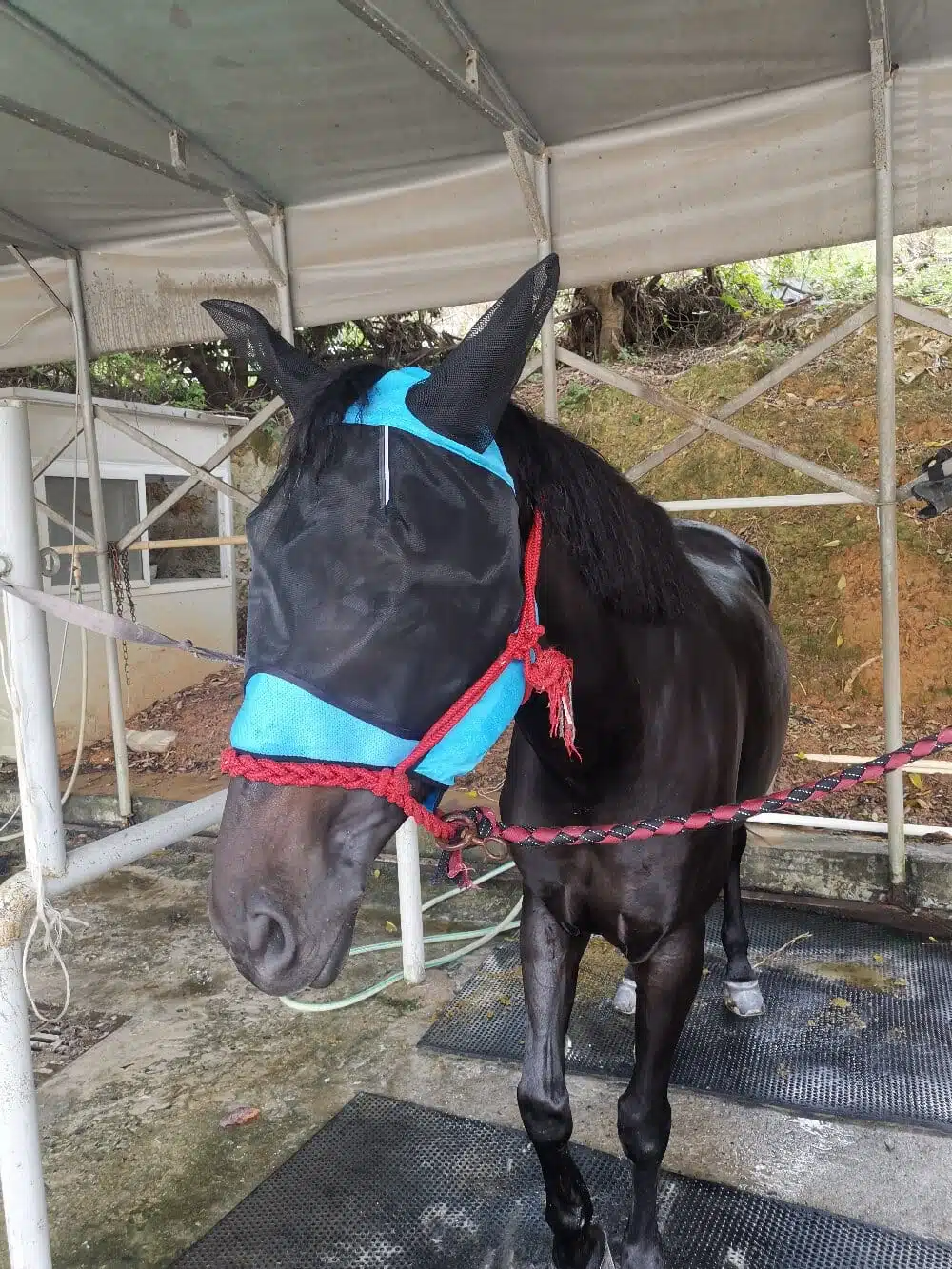

In the rapidly evolving world of equestrian gear, the horse fly mask has transformed from a simple mesh shield into a sophisticated piece of protective technology. Riders, trainers, and veterinarians are rethinking how they approach fly season, and the latest trends show a clear shift toward smarter design, better materials, and horse-first comfort. Whether you are managing a single companion horse or a full barn, understanding where fly masks are heading will help you make informed choices for the season ahead.
Gone are the days when a basic nylon mesh was considered sufficient. Today’s fly masks are engineered with input from equine ophthalmologists, behaviorists, and textile specialists. The newest models combine UV-blocking fabrics, ergonomic ear cutouts, and fleece-lined edges that reduce rubbing. Manufacturers are also responding to owner feedback about fit, releasing size-inclusive designs for ponies, draft breeds, and horses with atypical head shapes. The result is a category that prioritizes durability and welfare rather than mere insect exclusion.
Latest Trends Shaping Fly Mask Design
Several developments are defining the current market, and each one reflects a broader move toward evidence-based horse care.
- UV protection ratings: Brands now publish tested UV block percentages, helping owners protect horses with photosensitivity, pink skin, or a history of eye issues.
- Integrated ear and nose coverage: Detachable or extended panels address nuisance insects around the poll and muzzle without sacrificing airflow.
- Breathable technical fabrics: Moisture-wicking meshes reduce heat buildup, an important consideration for horses working in summer heat.
- Adjustable, rub-free closures: Wide straps, padded browbands, and quick-release fasteners improve comfort and reduce the risk of pressure sores.
- Smart monitoring add-ons: A small but growing niche includes masks with sensor pockets that track temperature or activity, appealing to tech-forward stable managers.
These features matter because a poorly fitting fly mask can do more harm than good, causing irritation or restricting vision. The latest designs aim to solve those problems while keeping the product lightweight and affordable.
Multi-Perspective: How Different Users Evaluate a Horse Fly Mask
Veterinarians tend to focus on eye protection and airflow. They favor masks that shield the cornea from debris and insects while allowing heat to escape, especially for horses prone to conjunctivitis or uveitis. Competitive riders, by contrast, prioritize fit and visibility. A mask that shifts during work or limits peripheral vision is a liability in the arena, so they lean toward low-profile, secure designs. Pleasure owners and rescue organizations often weigh durability against cost, looking for masks that survive turnout, mud, and repeated washing. Meanwhile, tack shop retailers report that customers increasingly ask about UV ratings and washing instructions, signaling a more educated buyer base.
Materials and Fit: What to Look For This Season
When shopping, check the fabric weight and mesh density. Finer mesh blocks smaller insects, but it must still allow airflow. Look for soft binding around the edges and a browband that sits clear of the eyes. Measure your horse’s head from poll to noseband and compare against the manufacturer’s chart rather than guessing. Wash masks regularly with mild soap, and inspect straps for wear before each turnout. Rotating two masks extends their lifespan and keeps one clean while the other dries.
Conclusion
The modern horse fly mask blends UV protection, breathable fabrics, and thoughtful ergonomics into a single everyday essential. By weighing the perspectives of veterinarians, riders, and retailers, owners can choose a mask that protects without compromising comfort. As trends continue toward tested materials and customizable fit, investing in a quality fly mask remains one of the simplest ways to support equine eye health and wellbeing throughout fly season.