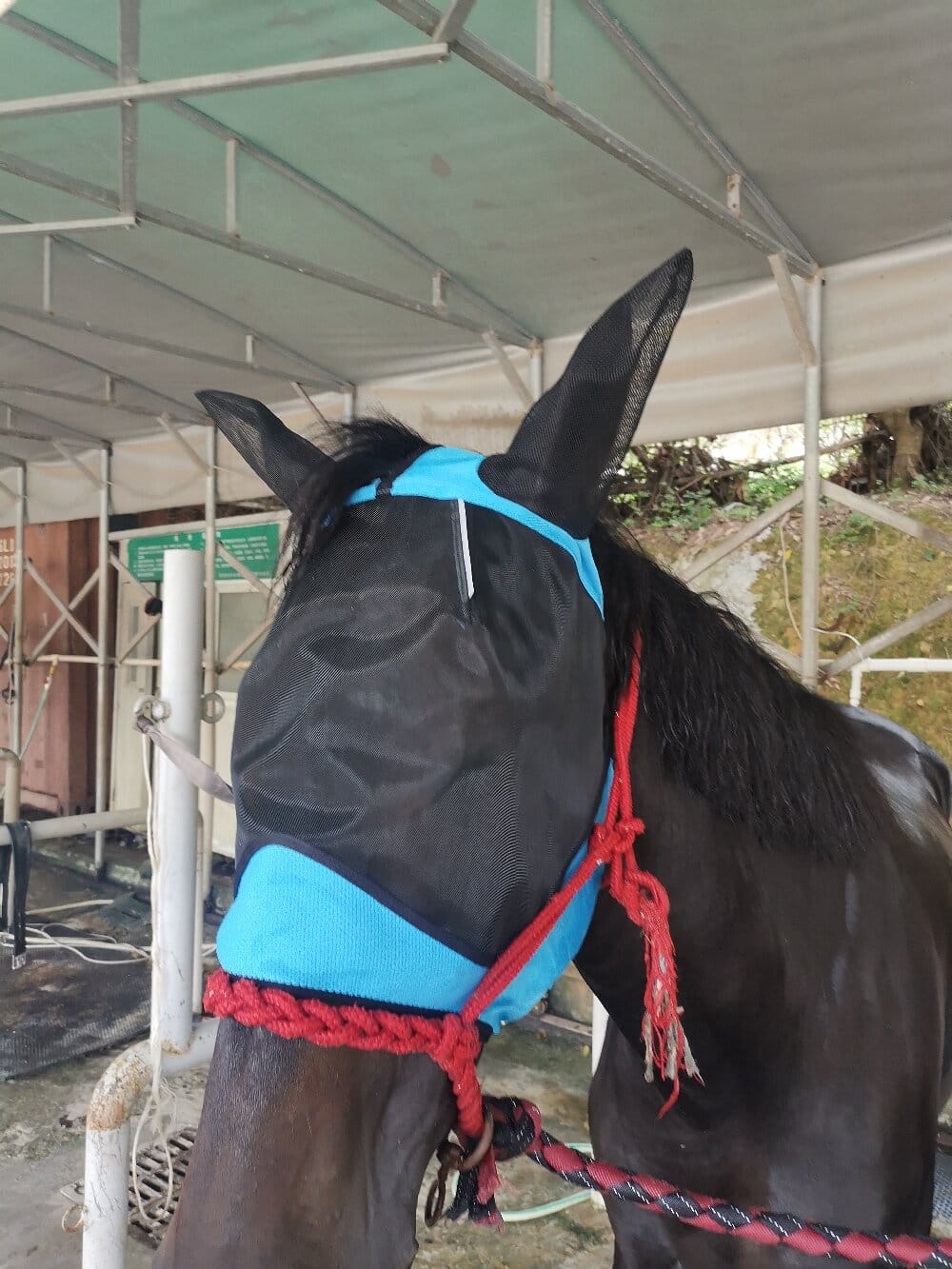
After years of watching horses stomp, swish, and head-toss their way through fly season, many barn managers and owners have reached the same conclusion: a quality horse fly mask is one of the simplest, most cost-effective pieces of tack in the barn. Unlike sprays and ointments that need constant reapplication, a well-fitted fly mask offers continuous, chemical-free protection that works from turnout to cool-down. This look at real-world experiences shows how a horse fly mask has become a staple of summer horse care, and what buyers should know before choosing one.
Lessons Learned from Fly Season in the Barn
Experienced handlers note that the problems caused by biting insects go well beyond visible welts. Horses bothered by flies spend less time grazing, more time pacing, and tend to be more irritable under saddle. One stable manager described how a single horse fly mask transformed a sensitive mare’s turnout routine: within a week, the head shaking stopped and the mare returned to grazing calmly with her herd. These shared observations point to a consistent finding — consistent barrier protection reduces stress and supports better weight maintenance and temperament during warm months.
Key Features to Look for in a Horse Fly Mask
Not every mask performs the same, and seasoned owners tend to agree on a handful of must-have features. When comparing options, shoppers should prioritize:
- Fit and adjustability: Straps that adjust at the throat and poll prevent rubbing and keep the mask from sliding off during rolling or play.
- Breathable mesh: Fine mesh blocks small flies while allowing airflow, which matters in humid climates.
- Eye clearance: A structured brow or darted design keeps fabric away from eyelashes and reduces the risk of corneal irritation.
- Ear and nose coverage: Detachable ear covers and extended nose panels help with sensitive-skinned horses and provide added UV protection.
- Durability: Reinforced stitching and UV-resistant fabric hold up better to daily turnout and washing.
Real-World Tips for Daily Use and Care
Owners who have used these masks for multiple seasons offer practical advice. Introduce the mask gradually, allowing the horse to sniff it and wear it briefly in the stall before full turnout. Check fit daily, especially behind the ears and under the jaw, since friction points are the leading cause of refusal. Rotating between two masks extends their lifespan and gives each one time to dry after washing. Most masks can be hand-washed in mild soap and air-dried; avoiding the dryer preserves the mesh shape and elasticity. Finally, inspect straps and seams regularly — a torn strap can turn a helpful accessory into a safety hazard.
Pairing Protection with a Complete Fly-Control Plan
While a horse fly mask handles the face and eyes, comprehensive fly management combines several approaches: eliminating standing water, managing manure, using fans in stalls, and applying repellents to the body. Owners report the best results when the mask is treated as one layer of defense rather than a standalone solution. Fly sheets, leg wraps, and strategic turnout timing further reduce exposure during peak insect activity at dawn and dusk.
Final Thoughts
Across barns and disciplines, the experience is remarkably consistent: a properly fitted horse fly mask reduces irritation, supports calmer behavior, and delivers reliable, low-maintenance protection throughout fly season. By focusing on fit, breathability, and durability — and by pairing the mask with sound barn management — horse owners can make summer turnout far more comfortable for the animals in their care.