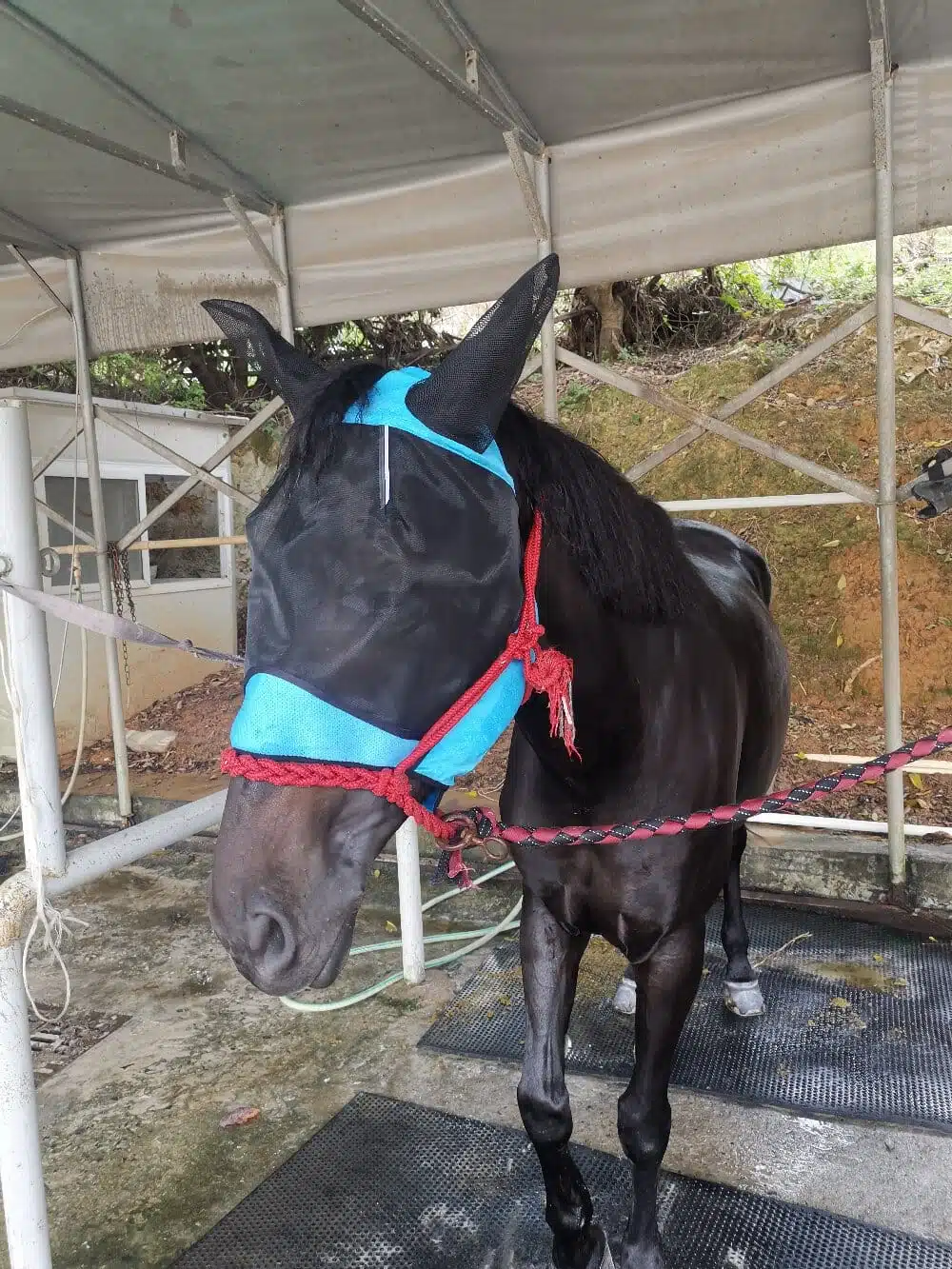

In the modern equine industry, the horse fly mask has evolved from a simple seasonal accessory into a serious piece of protective equipment. Stable managers, veterinarians, and competitive riders increasingly treat fly protection as part of a broader equine wellness strategy, one that influences comfort, behavior, and even training consistency. As insect pressure intensifies in many regions and owners grow more educated about equine ophthalmology, demand for well-engineered face coverings continues to rise.
Market Drivers Behind the Horse Fly Mask Boom
Several forces are shaping this category. Warmer, longer insect seasons have expanded the period during which flies, gnats, and midges threaten horses. At the same time, research into equine recurrent uveitis and other insect-borne eye conditions has raised awareness among owners. The result is a market that rewards manufacturers who can combine durability, fit, and genuine eye protection rather than offering a basic mesh sack.
Industry analysts also point to the premiumization of equine care. Consumers who already invest in custom saddles, joint supplements, and climate-controlled barns are unlikely to settle for a mask that rubs, slips, or tears within weeks. This has pushed brands toward technical fabrics, ergonomic patterns, and testing protocols once reserved for human athletic gear.
Design and Material Trends Shaping the Equine Fly Mask
Contemporary products reflect a convergence of textile science and animal anatomy. Key developments include:
- Fine-gauge mesh: Tight enough to block tiny biting midges while preserving airflow and vision.
- UV-blocking fabrics: Address sun sensitivity and coat fading, particularly in light-skinned horses.
- Ergonomic shaping: Contoured eye domes that stay off the eyelashes and reduce pressure points.
- Secure fastening systems: Hook-and-loop closures, elastic throat straps, and double-locking designs that resist field removal.
- Ear and muzzle extensions: Modular options that let owners tailor coverage to local insect populations.
Sustainability is entering the conversation as well. Recycled polyester meshes and replaceable strap components appeal to eco-conscious buyers and reduce long-term replacement costs.
Fit, Function, and the Veterinary Perspective
From a clinical standpoint, the primary role of equine face protection is to interrupt the insect vector cycle. Midges and gnats are not merely annoying; they transmit diseases and contribute to ocular inflammation. A properly fitted mask reduces direct contact and minimizes the stress response that can compromise immune function.
Veterinarians consistently emphasize fit over features. A loose mask invites debris and rubbing, while an overly tight one restricts movement and circulation. The best designs offer multiple adjustment points and sizing that accounts for breed variation, from fine-boned Arabians to heavily built draft crosses. Owners should inspect daily for abrasion, moisture buildup, and strap wear, replacing compromised units before they cause injury.
How Retailers and Brands Can Compete
In a crowded equine market, differentiation comes from education as much as product engineering. Brands that publish sizing guides, field-test results, and material specifications build trust with informed buyers. Retailers benefit from merchandising masks alongside fly sprays, leg protection, and grooming tools, presenting a complete insect-defense system rather than a single item.
Seasonal timing matters too. Inventory planning should anticipate regional insect peaks, with early spring campaigns targeting warm-climate customers and mid-summer promotions for temperate zones. Bundling masks with replacement straps or ear attachments can increase average order value while improving the customer experience.
Outlook and Conclusion
The trajectory of equine fly protection points toward greater specialization. Expect to see breed-specific fits, modular coverage systems, and fabrics engineered for both breathability and insect exclusion. As owners and professionals continue to prioritize equine comfort and preventive health, the horse fly mask will remain a staple of responsible horse management. For manufacturers and retailers, the opportunity lies in treating this humble accessory as a performance product, backed by evidence, thoughtful design, and clear guidance that helps every horse stay comfortable through the insect season.