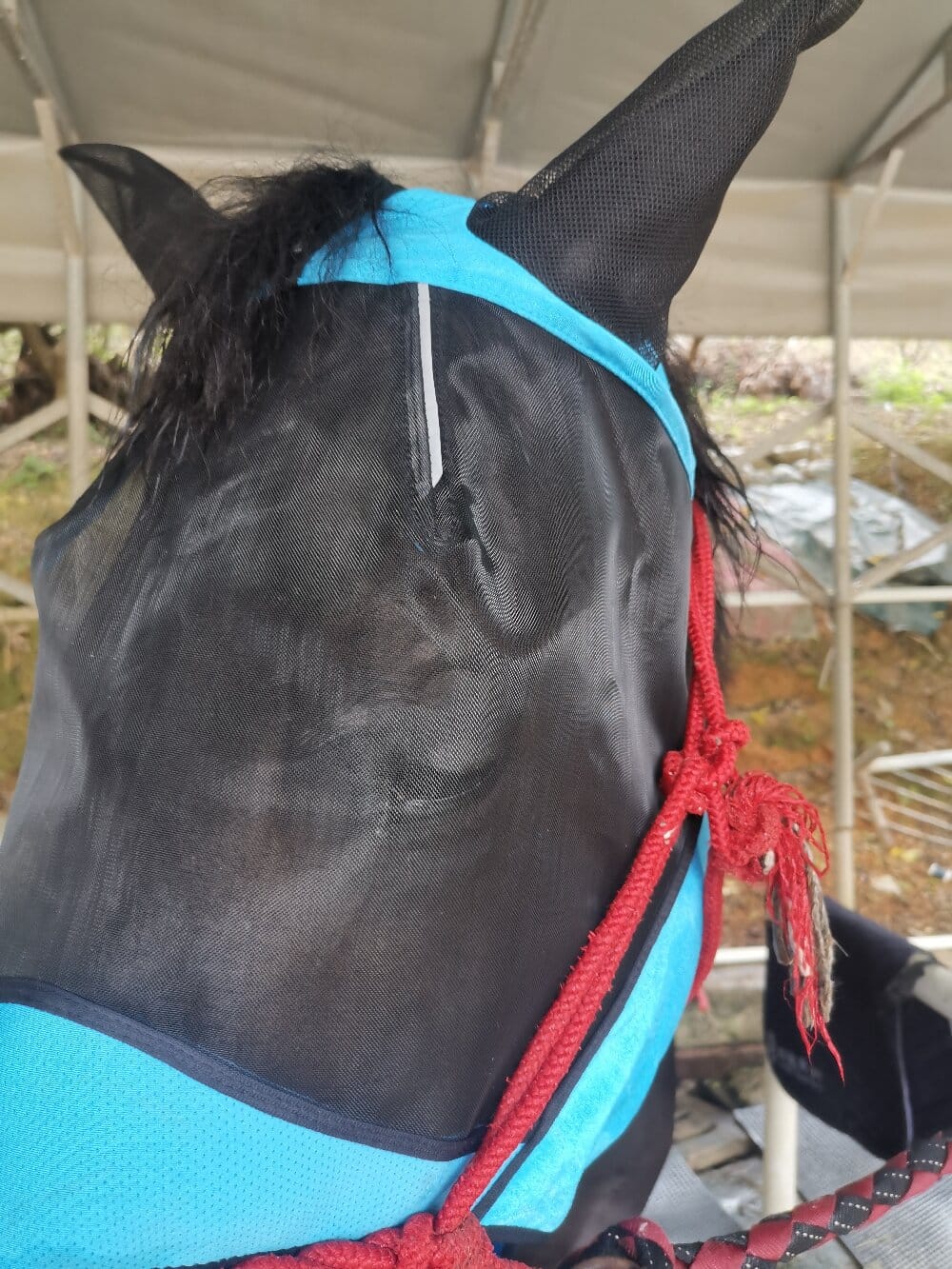
A horse fly mask has become a standard piece of seasonal equipment for many equine operations, and its evolution from a simple mesh hood to a technically engineered protective garment reflects broader trends in equine husbandry. As producers, retailers, and barn managers evaluate options for the coming fly season, understanding the materials, design features, and practical limitations of these products is essential for making informed purchasing decisions. The market has matured considerably, and buyers now face a wide range of choices that vary in durability, fit, and price point.
Demand for equine fly protection is closely tied to seasonal pest pressure and growing awareness of insect-borne disease risks. Flying insects are not merely a nuisance; they can contribute to skin irritation, ocular irritation, and the spread of pathogens. This has pushed manufacturers to position fly masks as part of a broader preventive health strategy rather than a cosmetic accessory. Retail data from equine supply channels consistently shows that fly masks and fly sheets are among the highest-turnover seasonal items, with repeat purchase rates that rival consumable grooming products.
At the same time, buyers have become more discerning. Price alone no longer drives selection. Consumers increasingly compare stitch quality, mesh density, strap construction, and UV-blocking claims before committing to a purchase, which has raised the bar for brands entering the category.
Material and Construction Considerations
The performance of any fly mask depends heavily on its mesh specification. Manufacturers typically balance three variables: aperture size, fabric weight, and airflow. Finer mesh blocks smaller insects such as gnats and midges but can reduce ventilation and visibility. Coarser mesh offers better airflow but may allow smaller pests through. Many modern designs use differentiated mesh panels, placing finer material over the eyes and ears while retaining more open weave across the face.
UV protection has become a prominent marketing claim. Fabrics rated for UV blocking are often tested to standardized thresholds, and buyers should look for specific ratings rather than vague assertions. Other construction details worth scrutinizing include:
- Binding and seam reinforcement at high-stress points such as the poll and muzzle
- Fleece or soft-edge trim to reduce rub marks
- Adjustable closures, including hook-and-loop and buckle systems
- Ear coverage options, from attached ears to removable designs
- Forelock openings and brow clearance for comfort and visibility
Fit, Sizing, and Field Performance
Fit remains the most common source of product returns and dissatisfaction. An ill-fitting mask can slip over the eyes, create pressure points, or leave gaps that insects exploit. Sizing conventions vary between brands, so retailers benefit from publishing clear measurement guidance covering muzzle circumference, cheek length, and poll-to-nose distance. Field reports suggest that masks with multiple adjustment points generally achieve better retention during turnout and riding-free activity.
Durability is another recurring theme. Turnout conditions expose masks to abrasion from fencing, pasture mates, and repeated laundering. Products that specify wash cycles, drying recommendations, and expected service life tend to generate fewer complaints and stronger repeat business.
Selection Guidance for Buyers of a Horse Fly Mask
When evaluating inventory or outfitting a barn, a structured approach helps clarify trade-offs:
- Identify the dominant pest pressure in the region and match mesh density accordingly.
- Confirm sizing against the manufacturer’s measurement chart rather than assumed labels.
- Prioritize adjustable closures and soft trim for horses prone to rubbing.
- Check UV ratings and laundering instructions for long-term value.
- Consider ear and nose coverage based on the horse’s specific sensitivity.
Buyers should also account for backup units, since masks are frequently lost or damaged during peak season. Maintaining a rotation of two masks per horse is a practical strategy that extends product life and ensures continuous protection.
Outlook
The category continues to move toward more technical fabrics, refined fit systems, and clearer performance labeling. For equine businesses, stocking a curated range with transparent specifications and reliable sizing information is likely to outperform broad, undifferentiated assortments. A well-chosen horse fly mask remains a cost-effective tool for seasonal comfort and preventive care, provided buyers match the product to their specific conditions and horses.