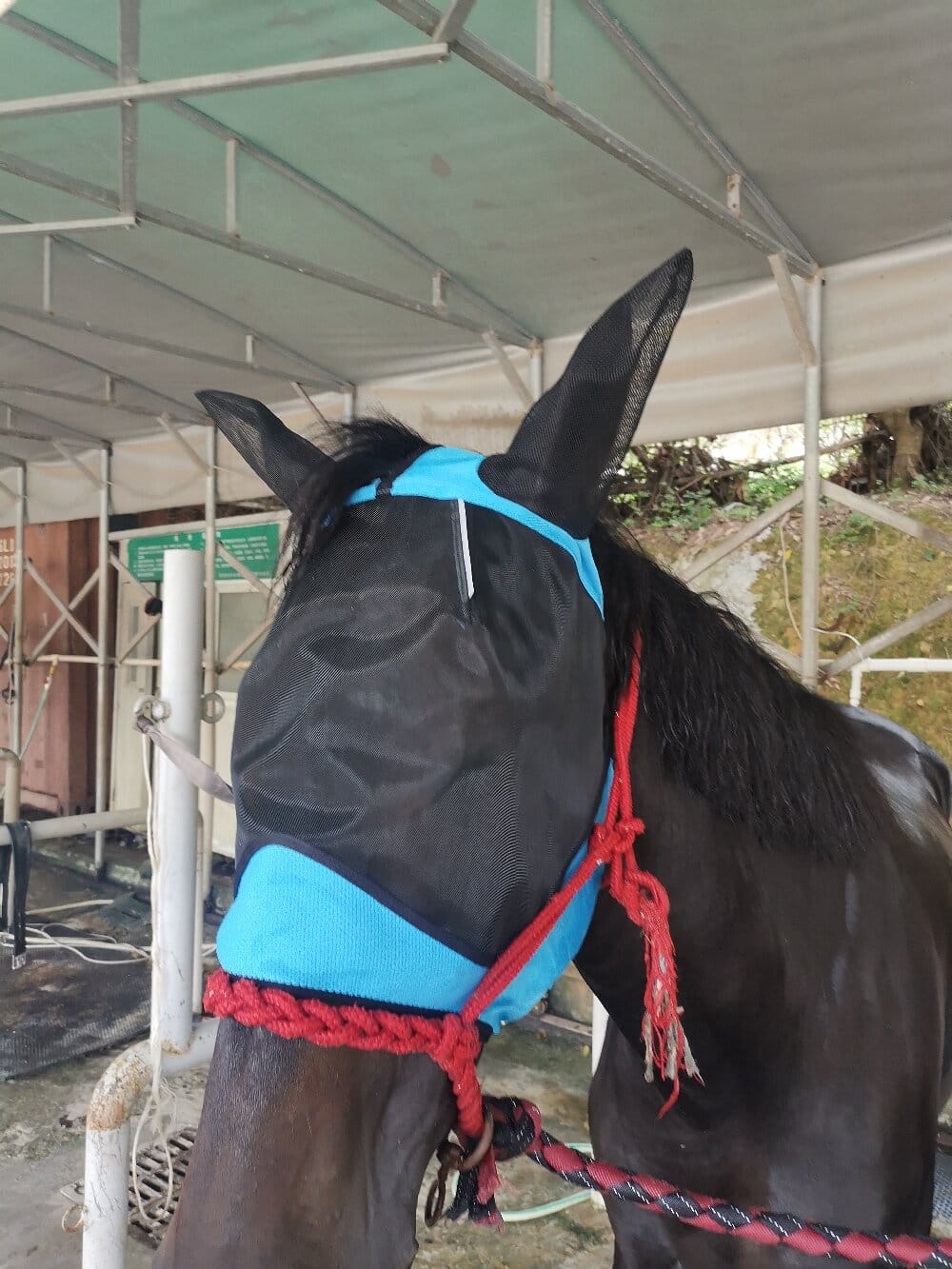
In the evolving field of equestrian equipment, the horse fly mask has transitioned from a simple mesh barrier into a technically engineered piece of protective gear. A technical analysis of these devices reveals that their effectiveness relies on a precise combination of material science, optical physiology, and ergonomic construction. Rather than serving as a basic insect screen, a contemporary fly mask is designed to mitigate environmental stressors while maintaining the animal’s visual and behavioral comfort. Understanding the structural components and performance metrics of these masks allows equestrians and veterinarians to evaluate their suitability for different field conditions and equine temperaments.
Material Engineering and Mesh Density in the Horse Fly Mask
The core performance of any equine face guard is determined by its textile composition. High-quality units typically utilize a UV-stabilized, high-density polyethylene or nylon mesh. From a technical standpoint, the mesh density is measured in grams per square meter (GSM) or defined by the aperture size, usually ranging between 0.5 mm and 1.5 mm. This specification is critical: the aperture must be small enough to exclude biting midges (Culicoides) and stable flies, yet large enough to permit sufficient airflow and prevent thermal loading. Additionally, the integration of UV-blocking additives—often rated to filter 70% to 90% of harmful radiation—protects against solar dermatitis and reduces the risk of eye conditions such as squamous cell carcinoma. The fabric’s tear resistance and tensile strength are also key metrics, as the mask must withstand the mechanical stress of pasture turnout and social grooming without failing at the seams.
Optical Clarity and Visual Acuity Considerations
A frequent technical compromise in fly protection involves the trade-off between physical shielding and visual clarity. The eye area of the mask requires a distinct engineering approach. Many manufacturers incorporate a rigid, reinforced eye dart or a molded cage that stands the mesh away from the eyelashes and cornea. This spatial separation is not merely for comfort; it prevents the mesh from abrading the eye during rapid movement. Furthermore, the mesh over the ocular region is often produced with a finer weave or a different polymer formulation to reduce diffraction and glare. Scientific observation indicates that horses possess a wide field of view and are sensitive to monochromatic light patterns. Therefore, the optical grade of the mesh must minimize distortion to prevent behavioral stress or “spooking” during exercise. Technically advanced models utilize a specific elliptical eye opening that aligns with the equine visual axis, ensuring that peripheral vision remains unobstructed.
Ergonomic Fit, Retention Systems, and Pressure Distribution
Biomechanical fit is the final determinant of whether a protective mask will remain functional. A technically sound design distributes pressure evenly across the horse’s facial planes—specifically the nasal bone, zygomatic arch, and poll. Retention systems have evolved from simple hook-and-loop closures to multi-point adjustable straps with elasticized inserts. This configuration allows for dynamic fit, accommodating jaw movement during grazing and vocalization without causing friction or rub lesions. Fleece or synthetic fleece padding is frequently integrated at the seams and strap junctions to reduce shear forces on the skin. A critical technical parameter is the “breakaway” or safety release feature; this mechanism ensures that if the mask becomes entangled in fencing or shrubs, the retention system will disengage under a specific load, preventing panic or injury to the animal.
Performance Evaluation and Maintenance Protocols
To maintain the integrity of the protective barrier, a structured maintenance regimen is necessary. Technicians recommend hand-washing the mask in cold water with a mild detergent to preserve the mesh elasticity and UV coating. High-temperature machine drying should be avoided, as thermal expansion can warp the structural eye frame and reduce the longevity of the synthetic fibers. Regular inspection of the seams and strap anchors is advised to detect early signs of material fatigue. When selecting a unit, the technical evaluation should prioritize a balance between airflow, optical clarity, and secure retention. In summary, the modern horse fly mask is a multi-functional technical textile product. Its proper selection depends on matching mesh specifications, UV protection ratings, and ergonomic features to the specific environmental challenges and anatomical needs of the individual horse.