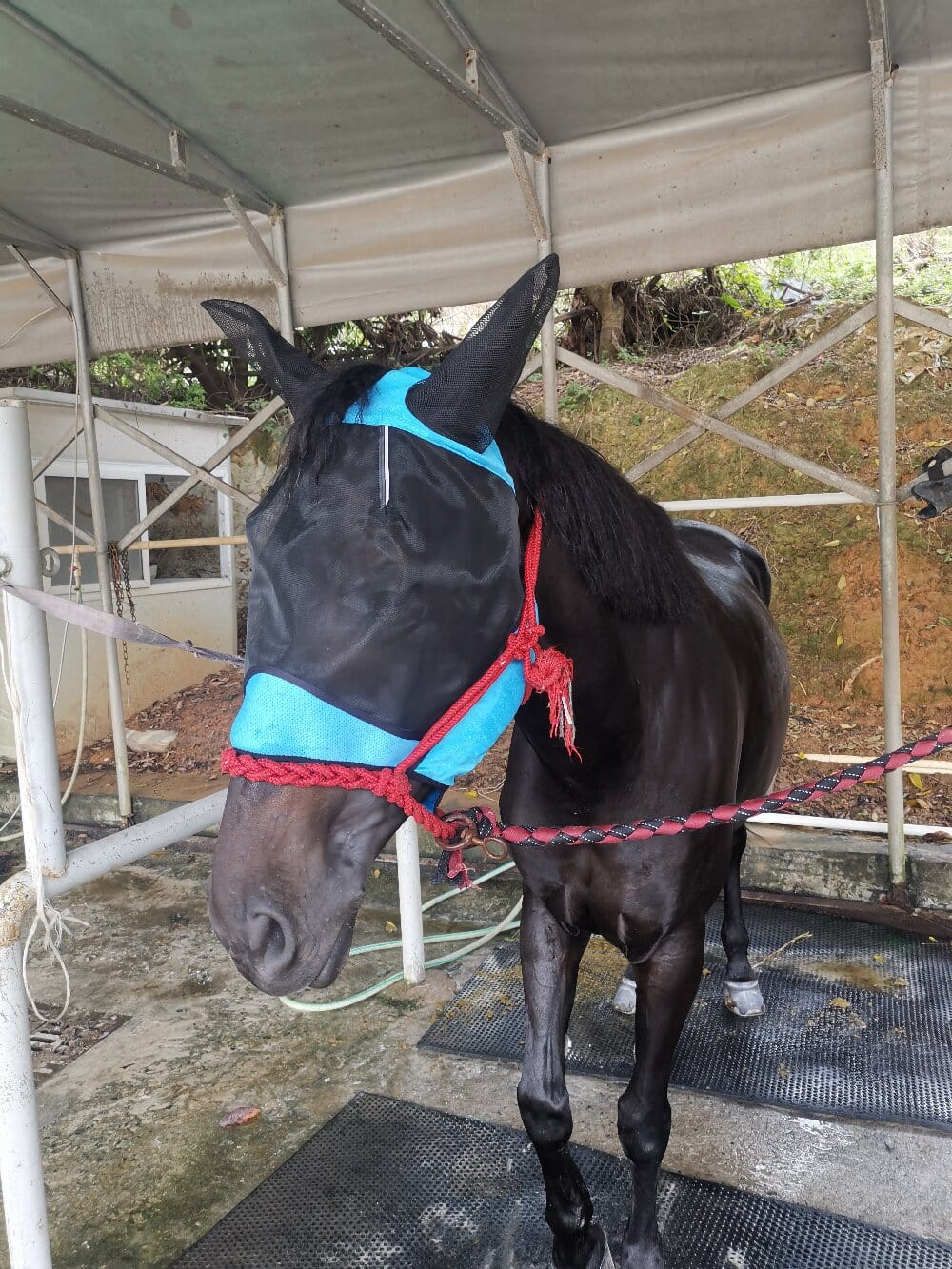
A horse fly mask is a specialized piece of equine protective equipment designed to shield the animal’s eyes, ears, and face from flying insects, debris, and harmful UV radiation. From a technical standpoint, the modern horse fly mask has evolved far beyond a simple mesh covering; it now incorporates advanced textile engineering, ergonomic design principles, and materials science to deliver optimal protection without compromising the horse’s comfort or sensory awareness. This analysis examines the horse fly mask through multiple lenses—material performance, anatomical fit, field application, and economic value—to provide a comprehensive technical overview for equestrians, veterinarians, and product developers alike.
Material Science and Textile Engineering in Horse Fly Mask Design
The performance of any horse fly mask hinges on its fabric architecture. Most quality masks utilize a fine-gauge polyester or nylon mesh with aperture sizes typically ranging from 0.5 mm to 1.5 mm. This mesh density must balance two competing objectives: excluding small insects such as midges and stable flies while maintaining adequate airflow and visibility.
Key technical specifications include:
- UV blocking capability: Many masks now offer 60–90% UV reduction, protecting horses with sensitive skin or pink muzzles from solar dermatitis.
- Tensile strength: Rip-stop weave patterns prevent tear propagation when masks snag on fencing or brush.
- Binding and edge treatment: Soft fleece or elastic bindings reduce friction points, critical for long-wear scenarios.
- Ear and forelock accommodation: Mesh ear covers and forelock openings require precise pattern engineering to avoid pressure necrosis.
Anatomical Fit and Ergonomic Considerations
Fit is where technical design meets equine anatomy. A poorly fitted horse fly mask can rub the orbital bone, restrict eyelid movement, or slip over the eyes—creating both welfare and safety concerns. Manufacturers employ several design strategies:
- Fleece-lined brow bands distribute pressure across the forehead rather than concentrating it at contact points.
- Adjustable throat straps with hook-and-loop closures allow micro-adjustment for different head shapes, from fine Thoroughbred profiles to broader Warmblood skulls.
- Darted patterns create three-dimensional shaping around the eye sockets, preventing the mesh from contacting the cornea.
- Forelock-friendly openings accommodate natural hair without pulling, reducing behavioral resistance during application.
Field Performance and Multi-Perspective Evaluation
From a veterinary perspective, the horse fly mask serves as a first-line defense against insect-borne diseases such as equine infectious anemia and summer eczema. Studies indicate that consistent mask use during peak fly season reduces ocular irritation scores and tear staining significantly. From a behavioral standpoint, masked horses exhibit fewer head-shaking episodes and lower cortisol indicators during turnout.
Trainers and stable managers, however, emphasize practical durability: masks must withstand daily turnout, mud, and washing. Technical buyers should assess stitch density, strap hardware quality, and colorfastness. Meanwhile, equine welfare advocates highlight the importance of daily inspection—checking for rubbed areas, mesh integrity, and proper positioning—to ensure the device enhances rather than hinders well-being.
Conclusion
The horse fly mask represents a convergence of textile technology, anatomical science, and practical horsemanship. Selecting the right product requires evaluating mesh specifications, fit engineering, and field durability against the specific needs of the horse and its environment. By applying a technical analysis framework, equestrians can make informed purchasing decisions that optimize protection, comfort, and long-term value.