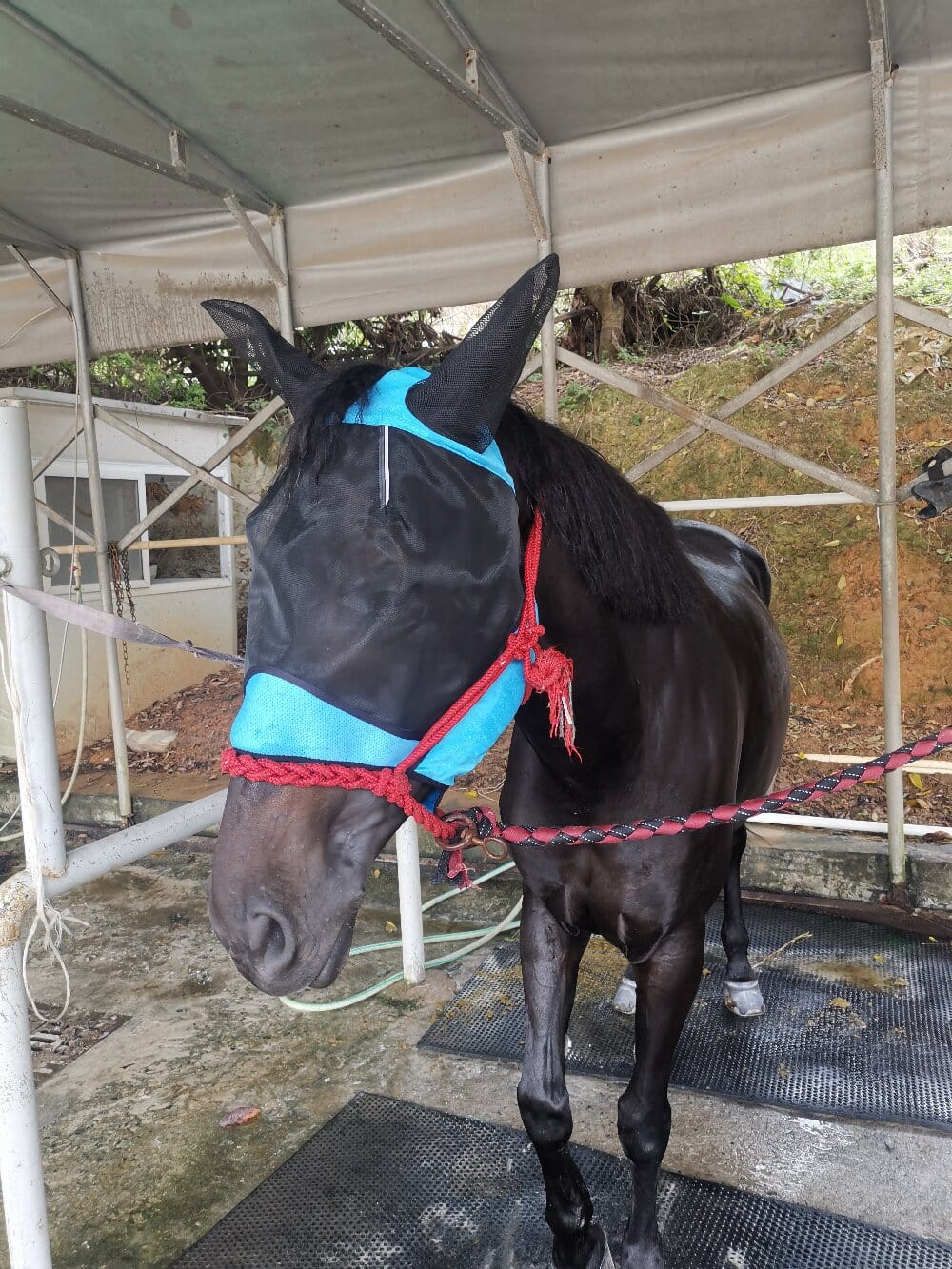
A horse fly mask is a protective piece of equine equipment designed to shield the horse’s eyes, ears, and face from flying insects, ultraviolet light, and debris. From a methodological standpoint, evaluating a fly mask requires examining its construction materials, fit, durability, and intended use conditions. This article outlines the key considerations for selecting and using a fly mask based on observable design features and practical field application.
Materials and Construction Methods of a Horse Fly Mask
The effectiveness of a fly mask depends largely on the materials used and how they are assembled. Common construction approaches include:
- Mesh density: Fine mesh blocks small insects such as gnats and flies while maintaining airflow. Coarser mesh offers greater durability but less protection against tiny pests.
- Fabric type: UV-resistant synthetic mesh is standard, often combined with softer binding around the edges to reduce rubbing.
- Reinforcement: Stitching at stress points, such as the ear openings and poll area, improves longevity.
- Fastening systems: Hook-and-loop straps, buckles, or elastic bands determine how securely the mask stays in place during turnout.
A systematic comparison of these features helps determine suitability for specific environments, such as dusty paddocks or areas with high insect populations.
Fitting and Sizing Protocols for a Horse Fly Mask
Correct fit is critical to both comfort and function. A poorly fitted mask can shift, rub, or allow insects to enter. A practical fitting method involves the following steps:
- Measure the horse’s head from poll to muzzle to determine the appropriate size category.
- Check clearance around the eyes so that mesh does not contact the cornea.
- Verify that ear openings align without pressing on the ear base.
- Observe the horse in motion to confirm the mask remains stable during movement.
Field observation suggests that masks with adjustable straps accommodate a wider range of head shapes, while fixed-size designs may suit horses with standard proportions.
Evaluating Protection and Durability in Real Conditions
Assessing a fly mask objectively requires attention to environmental factors. In high-insect areas, mesh integrity and secure closures are primary concerns. In sunny climates, UV-blocking capability becomes more relevant. Durability testing typically involves:
- Repeated laundering to assess colorfastness and seam strength.
- Exposure to turnout conditions to evaluate abrasion resistance.
- Inspection of binding and straps for wear after extended use.
These evaluations help determine whether a mask meets the demands of daily use or is better suited to short-term application.
Maintenance and Hygiene Considerations
Regular cleaning extends the service life of a horse fly mask and supports skin health. A recommended maintenance routine includes gentle hand washing with mild detergent, thorough rinsing, and air drying away from direct heat. Inspecting straps and mesh for damage before each use allows early detection of wear, reducing the risk of loss or injury.
Summary
Selecting and using a horse fly mask involves a structured approach: examining materials, confirming proper fit, evaluating protection and durability under real conditions, and maintaining the item consistently. Applying these methods supports informed purchasing decisions and effective daily care for the horse.