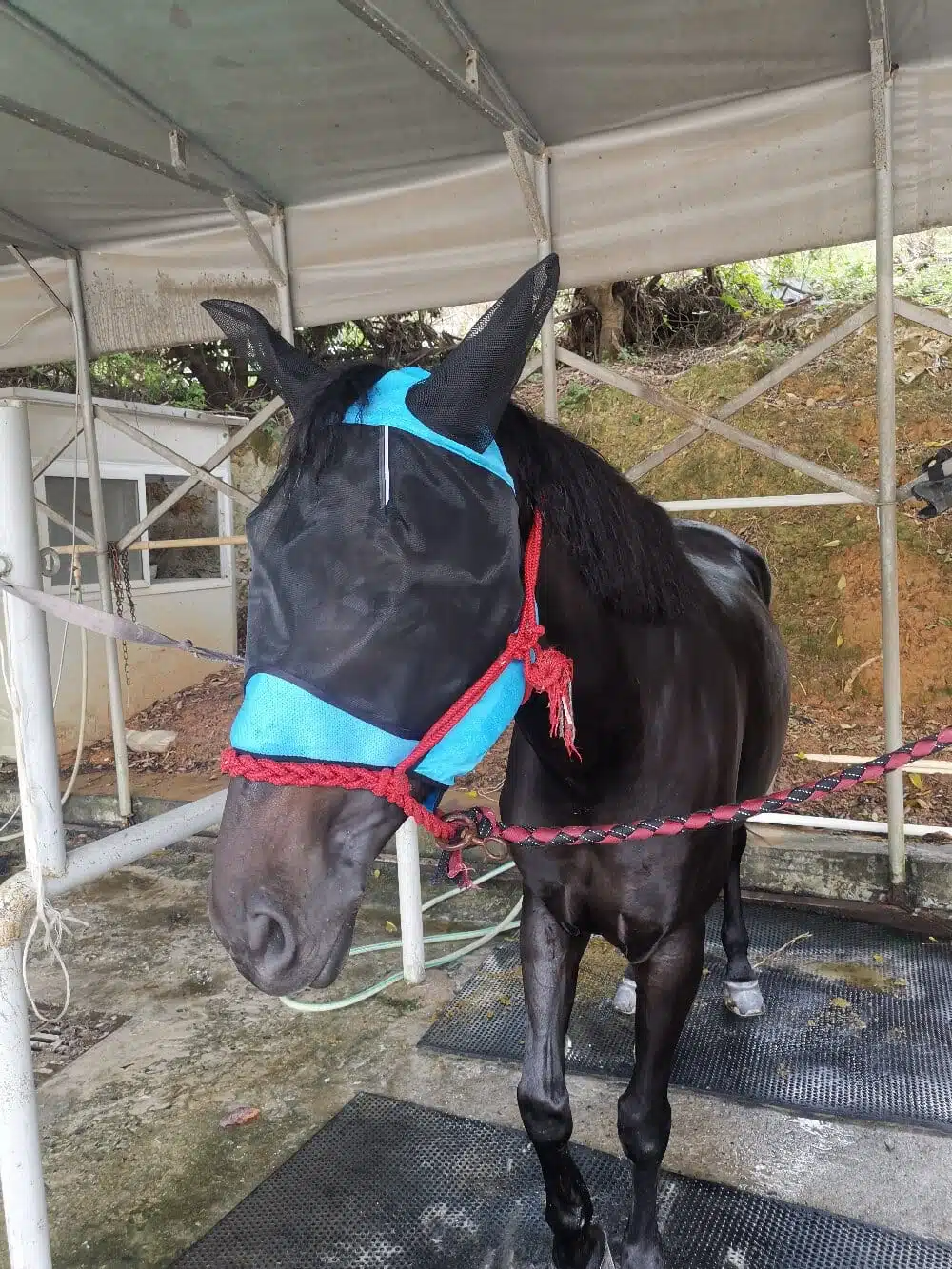

In recent seasons, the horse fly mask has evolved from a simple mesh hood into a sophisticated piece of equine protective gear, reflecting broader trends in comfort-focused design, material innovation, and year-round pasture management. As owners and stable managers look for practical ways to reduce fly-related stress, the latest products on the market emphasize breathability, durability, and anatomical fit rather than one-size-fits-all coverage. The result is a category that now serves a wide range of disciplines, from turnout and trail riding to rehabilitation and sensitive-skin care.
Manufacturers are responding to feedback from riders and veterinarians who want protection that stays in place without rubbing. Recent designs increasingly feature ergonomic seams that follow the contours of the skull, plus soft binding around the ears and browband. Detachable nose pieces and extended ear coverage are now common options, allowing owners to customize protection for pasture turnout or long trailer journeys.
Fit has become a selling point in its own right. Adjustable throat straps, elasticated poll straps, and fleece-lined edges help reduce pressure points, which matters for horses with sensitive skin or clipped coats. Some brands now offer sizing charts based on actual head measurements rather than generic cob, full, and extra-full labels, a shift that reflects the wider trend toward precision equestrian equipment.
Materials and Fabric Technology
Fabric choice remains central to performance. Contemporary fly masks typically use fine, high-tenacity mesh that blocks biting insects while maintaining airflow, an important consideration during hot weather and exercise. UV-blocking textiles have gained traction, particularly for horses with pink skin around the muzzle or those prone to sunburn. Look for masks described as breathable, lightweight, and quick-drying, since these properties support comfort during humid conditions.
Durability is another focus. Reinforced stitching, double-layered ear fabric, and abrasion-resistant binding at the nose help extend product life in group turnout. Some newer models incorporate reflective piping for visibility during low-light handling, a small but practical detail that fits the broader safety-oriented direction of equine accessories.
How to Choose a Horse Fly Mask for Current Needs
With more options available than ever, a structured approach helps narrow the field. Consider the following factors:
- Coverage: Standard eye and ear protection suits most horses, while extended nose coverage benefits those bothered by face flies.
- Fit and adjustment: Prioritize secure straps that do not loosen in the field, and check for clearance around the eyes.
- Material: Choose fine mesh for ventilation and UV-blocking fabric for sun-sensitive areas.
- Intended use: Turnout masks favor durability, while riding or travel versions may emphasize streamlined fit.
- Care routine: Removable, machine-washable components simplify hygiene and extend lifespan.
Owners should also inspect masks regularly for wear, check positioning daily, and introduce new headgear gradually, especially for horses unaccustomed to facial coverings.
What to Watch in the Coming Seasons
Looking ahead, expect further integration of lightweight technical fabrics, modular attachments, and size-inclusive designs. Sustainability is also emerging as a consideration, with recycled mesh and reduced packaging appearing in some product lines. As fly pressure patterns shift with changing weather, versatile masks that adapt across seasons are likely to remain in demand.
Conclusion
The modern horse fly mask reflects a clear trend toward comfort, precision fit, and material performance. By matching coverage and fabric to the individual horse’s needs, owners can improve protection against insects and sun exposure while supporting daily comfort. Regular inspection and proper fit remain the most reliable ways to get lasting value from any design.