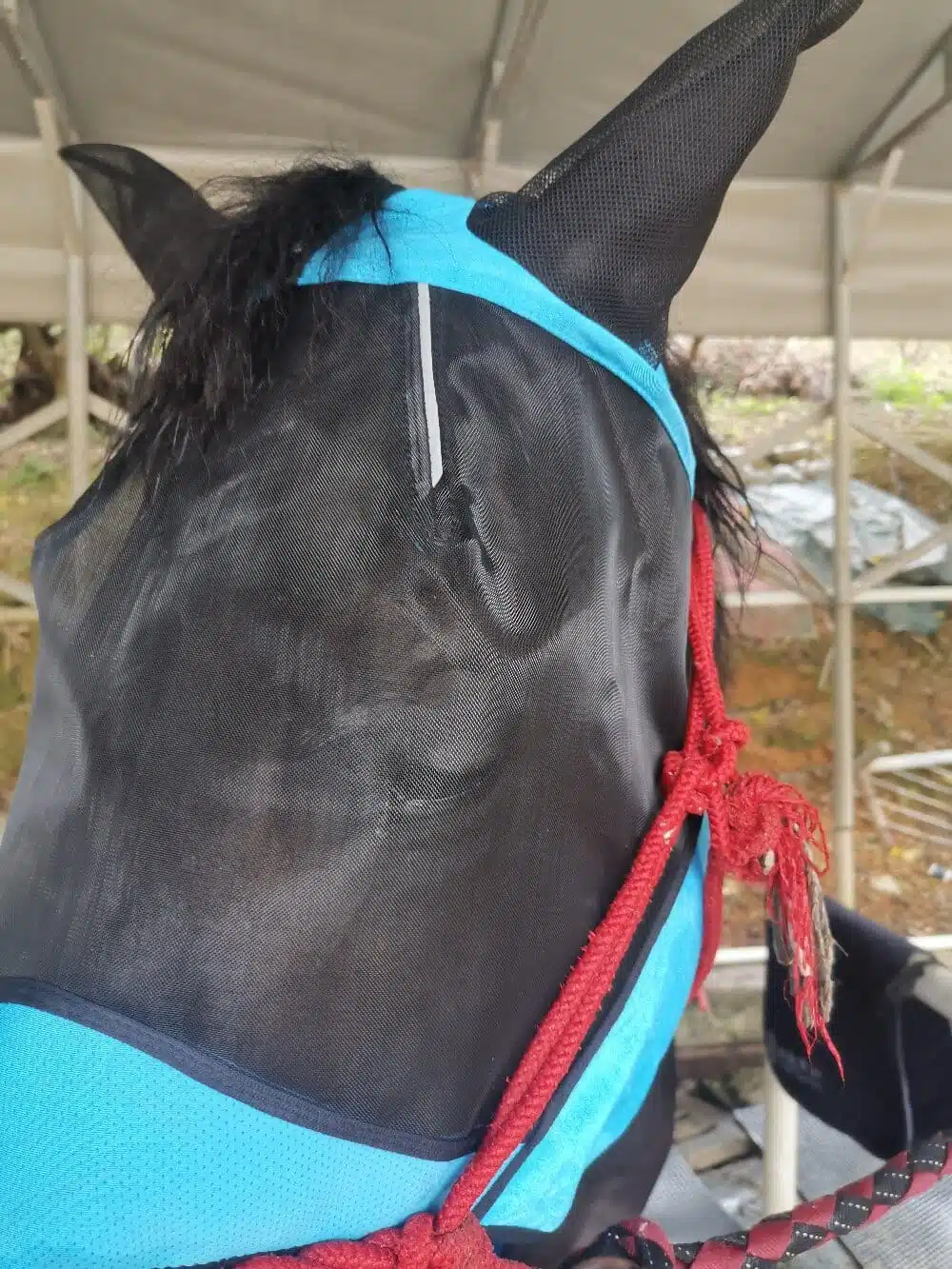

As equine management practices continue to advance, the horse fly mask is expected to transition from a simple seasonal accessory into an increasingly sophisticated component of comprehensive horse health care. Future predictions suggest that within the next decade, these protective coverings will incorporate advanced materials, smart technologies, and design features that address both insect protection and broader welfare concerns. Understanding where this category is heading can help horse owners, veterinarians, and manufacturers prepare for a market that values function, comfort, and data-driven decision-making.
Materials Science and the Future Horse Fly Mask
Material innovation will likely be one of the most significant drivers of change. Current fly masks rely primarily on mesh fabrics that block insects while allowing airflow. Future versions are predicted to use engineered textiles with improved durability, UV resistance, and moisture management. Researchers may develop self-cleaning or antimicrobial fibers that reduce bacterial buildup around the eyes and ears, lowering the risk of irritation and infection. Lightweight composite meshes could offer greater tear resistance without adding weight, which matters for horses wearing masks for extended periods. Some projections point toward biodegradable or recycled materials as environmental regulations tighten and consumers demand more sustainable equine products.
Smart Technology Integration in Fly Protection Gear
Another anticipated development is the integration of low-power sensors into fly masks. These sensors could monitor temperature, humidity, and insect activity around the horse’s face, transmitting data to a smartphone application. Such information would allow owners to make informed decisions about turnout times and mask usage. Future models might also include embedded repellent delivery systems that release controlled amounts of insect deterrent over time, reducing the need for topical sprays. While these features remain speculative, the broader trend toward wearable technology in animal husbandry suggests that the horse fly mask will not remain a passive product indefinitely.
Design Refinements for Welfare and Fit
Fit and comfort will remain central concerns, and future designs are expected to address common complaints more effectively. Predictions include:
- Adjustable strap systems that distribute pressure more evenly and reduce rub marks.
- Anatomical shaping around the eyes, ears, and muzzle to improve coverage without restricting vision or hearing.
- Modular components that allow replacement of worn sections rather than the entire mask.
- Reflective elements for improved visibility during low-light turnout.
These refinements reflect a growing emphasis on equine welfare and owner convenience, and they are likely to become standard expectations rather than premium features.
Market Trends and Regulatory Influences
Future market dynamics will shape how fly masks are priced, marketed, and regulated. As awareness of equine insect-borne diseases grows, consumers may prioritize masks with documented repellency or barrier performance. This could lead to standardized testing protocols and labeling requirements, similar to those seen in human protective equipment. Manufacturers that invest in certification and transparent performance data may gain a competitive advantage. At the same time, e-commerce growth will continue to expand access to specialized designs, allowing smaller brands to reach niche markets such as miniature horses, draft breeds, and horses with sensitive skin.
Practical Considerations for Owners
Despite technological advances, basic principles of use will remain relevant. Owners should continue to inspect masks regularly for wear, clean them according to manufacturer guidance, and monitor horses for signs of rubbing or discomfort. Future products may simplify these tasks through easier-cleaning surfaces and more durable fasteners, but routine observation will always be essential. Veterinary input should guide decisions for horses with ocular conditions or skin sensitivities, as even advanced masks cannot replace individualized care.
Conclusion
The horse fly mask is poised for meaningful evolution. Advances in textiles, sensor technology, ergonomic design, and market regulation are expected to transform a familiar piece of tack into a more effective and intelligent tool for equine protection. Owners who stay informed about these developments will be better positioned to choose products that support both comfort and health, while manufacturers and researchers will continue to refine designs based on real-world performance and animal welfare priorities.