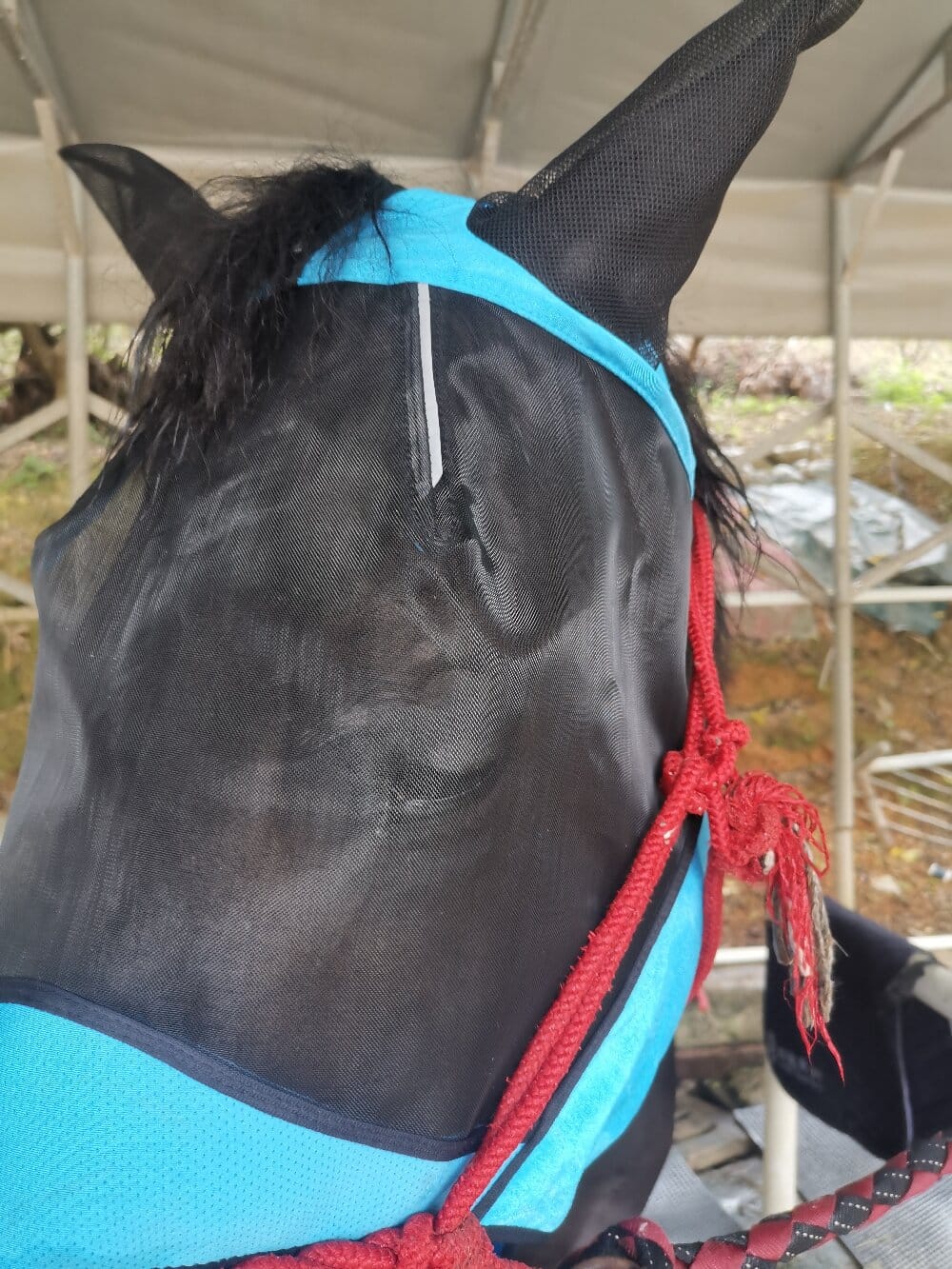
The history of the horse fly mask stretches back further than many equestrians realize, rooted in ancient practices of animal husbandry rather than modern synthetic manufacturing. For centuries, horsemen in North Africa, the Middle East, and parts of Asia recognized that biting insects posed a serious threat to their animals’ health, comfort, and performance. Early versions of the horse fly mask were crude but functional, fashioned from woven reeds, leather strips, and occasionally cloth soaked in aromatic oils. These prototypes served a dual purpose: shielding the eyes from flies and reducing the irritation that could lead to infections or behavioral problems. Historical records from Roman cavalry units suggest that officers sometimes draped fine mesh or loosely woven fabrics over their mounts’ faces during long marches through marshy terrain, particularly in regions where tabanids and other biting flies thrived. While these early designs lacked the refinement of contemporary products, they established a fundamental principle that persists today: preventing insects from reaching sensitive facial areas is essential to equine welfare.
Medieval and Renaissance Refinements
During the medieval period, the horse fly mask evolved alongside other tack and armor. European knights and stablemasters experimented with perforated leather face coverings that offered some protection against flies while allowing visibility. These designs were often integrated into broader headgear used during travel or tournament preparation. By the Renaissance, equestrian treatises began to mention lightweight face nets for use in stables and during summer months, reflecting a growing awareness of insect-borne diseases and their impact on valuable horses. In the 18th and 19th centuries, as global trade expanded, materials such as cotton netting and silk gauze became more accessible, allowing craftsmen to produce finer, more comfortable masks. Coachmen and cavalry units in tropical colonies adopted these improved designs to combat mosquitoes and tsetse flies, which carried diseases lethal to horses. This era marked a transition from makeshift coverings to more purpose-built equine face protection, setting the stage for standardization.
The Modern Horse Fly Mask and Industrial Innovation
The 20th century brought sweeping changes to the horse fly mask through advances in textile technology and veterinary science. The development of synthetic polymers, particularly nylon and polyester mesh, revolutionized the field by offering durability, breathability, and UV resistance in a single material. Mid-century manufacturers began producing standardized masks with adjustable straps, fleece padding, and reinforced binding, transforming what had once been a custom item into an affordable, mass-market product. The rise of recreational riding and the growth of the equine supplement and tack industry in the 1970s and 1980s further accelerated design innovation. Features such as ear covers, nose extensions, and reflective piping appeared, addressing specific concerns like sunburn, head-shaking syndrome, and nighttime visibility. Veterinary research during this period also clarified the role of fly masks in preventing ocular conditions such as conjunctivitis and corneal ulcers, giving scientific weight to a practice that had long been empirical.
Design Evolution and Contemporary Standards
Today, the horse fly mask is recognized as an essential piece of summer turnout equipment, available in a wide range of styles tailored to different needs. Modern designs prioritize fit, airflow, and comfort, with breathable mesh densities measured in grams per square meter and ergonomic patterns that accommodate varied head shapes. Key developments include:
- UV-blocking fabrics that protect sensitive skin and reduce sunbleaching
- Soft fleece or neoprene trim to prevent rub marks during extended wear
- Double-locking hook-and-loop closures for security in the field
- Removable nose and ear attachments for customizable coverage
Manufacturers now subject masks to field trials and washability testing, reflecting consumer demand for products that withstand daily use. The historical trajectory from woven reeds to engineered mesh demonstrates how practical horsemanship continues to drive thoughtful design.
Conclusion
From ancient reed weaves to high-performance synthetic mesh, the horse fly mask has adapted across centuries to meet the enduring challenge of protecting equine faces from insect pests. Its history reveals a continuous exchange between available materials, veterinary knowledge, and the practical needs of riders and stable managers. Understanding this legacy helps modern equestrians appreciate the humble mask not as a disposable accessory but as a refined tool with deep roots in animal care tradition.