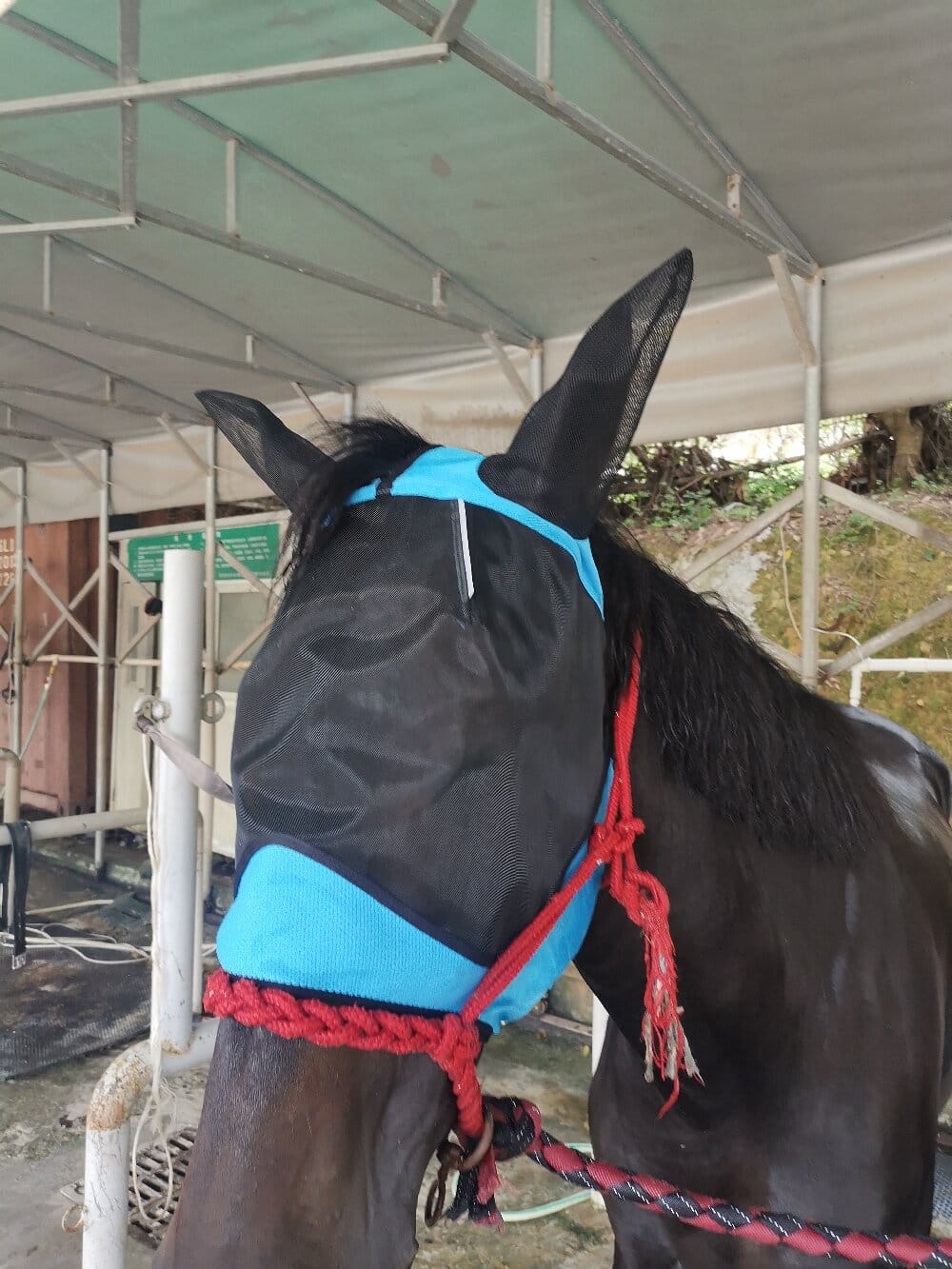
A horse fly mask is a specialized piece of equine gear engineered to shield the animal’s eyes and face from flying insects, debris, and ultraviolet radiation. From a technical analysis perspective, the product’s effectiveness depends on a precise combination of mesh density, material durability, and ergonomic fit. Unlike generic insect protection, a well-designed horse fly mask must balance visibility for the animal with barrier performance against small pests such as biting midges and stable flies. Understanding these engineering variables helps owners select a mask that delivers consistent protection without compromising comfort or safety.
Mesh Density and Insect Exclusion Performance
The core functional layer of any fly mask is its mesh. Mesh density is typically measured in grams per square meter or defined by aperture size. Finer mesh, often rated around 200 to 300 microns, excludes smaller insects like culicoides midges, which are vectors for conditions such as sweet itch. However, finer mesh reduces airflow and visibility, so manufacturers often use graduated mesh: tighter weave around the eyes and ears, with more open weave across the face. Technically, the ideal specification balances exclusion efficiency with ventilation, since restricted airflow can cause heat buildup under the mask, particularly during summer turnout.
UV Protection Ratings and Fabric Construction
Many masks are marketed with UV-blocking properties. Technically, this is achieved through fabric construction—densely woven synthetics or treated polymers that absorb or reflect ultraviolet radiation. A credible product should specify a UV protection factor, commonly UPF 30 to 50+, which indicates the percentage of UV radiation blocked. From a materials standpoint, UV-resistant fabrics also resist degradation from sunlight, extending the product’s service life. Owners should note that UV protection and insect exclusion are separate performance metrics; a mask can excel at one and underperform at the other, so specification sheets should be reviewed carefully.
Fit, Retention, and Ergonomic Considerations
Fit is where most fly masks succeed or fail in the field. A technically sound design includes adjustable straps, fleece binding at pressure points, and ear and forelock accommodations. Key fit parameters include:
- Strap tension: Elastic or Velcro closures should allow micro-adjustment without creating pressure sores.
- Eye clearance: The mask must stand off the eyes to prevent rubbing and corneal irritation.
- Ear geometry: Ear covers should follow the natural ear canal angle without restricting movement.
- Forelock opening: A well-positioned opening prevents hair from matting and improves comfort.
Retention testing in real turnout conditions is the most reliable indicator of fit quality. Masks that shift or rotate during grazing typically indicate mismatched sizing rather than a manufacturing defect.
Durability Testing and Maintenance Protocols
Technical evaluation of durability includes tensile strength of mesh, strap hardware corrosion resistance, and colorfastness after repeated washing. Most quality masks are machine washable in cold water, but heat exposure—whether from dryers or direct sun—degrades elastic and synthetic fibers. Owners should inspect stitching and binding monthly, retiring masks with frayed edges or stretched mesh, as compromised fabric reduces insect exclusion efficiency. A rotation of two masks extends service life and ensures continuous protection during cleaning cycles.
Summary
Selecting a horse fly mask requires attention to measurable specifications: mesh aperture size, UPF rating, strap adjustability, and construction quality. A technically informed approach—matching mesh density to local insect pressure and verifying fit through observation—maximizes protection while preserving comfort. Regular inspection and proper maintenance further ensure the mask performs reliably across seasons, making specification-based selection a practical standard for equine care.