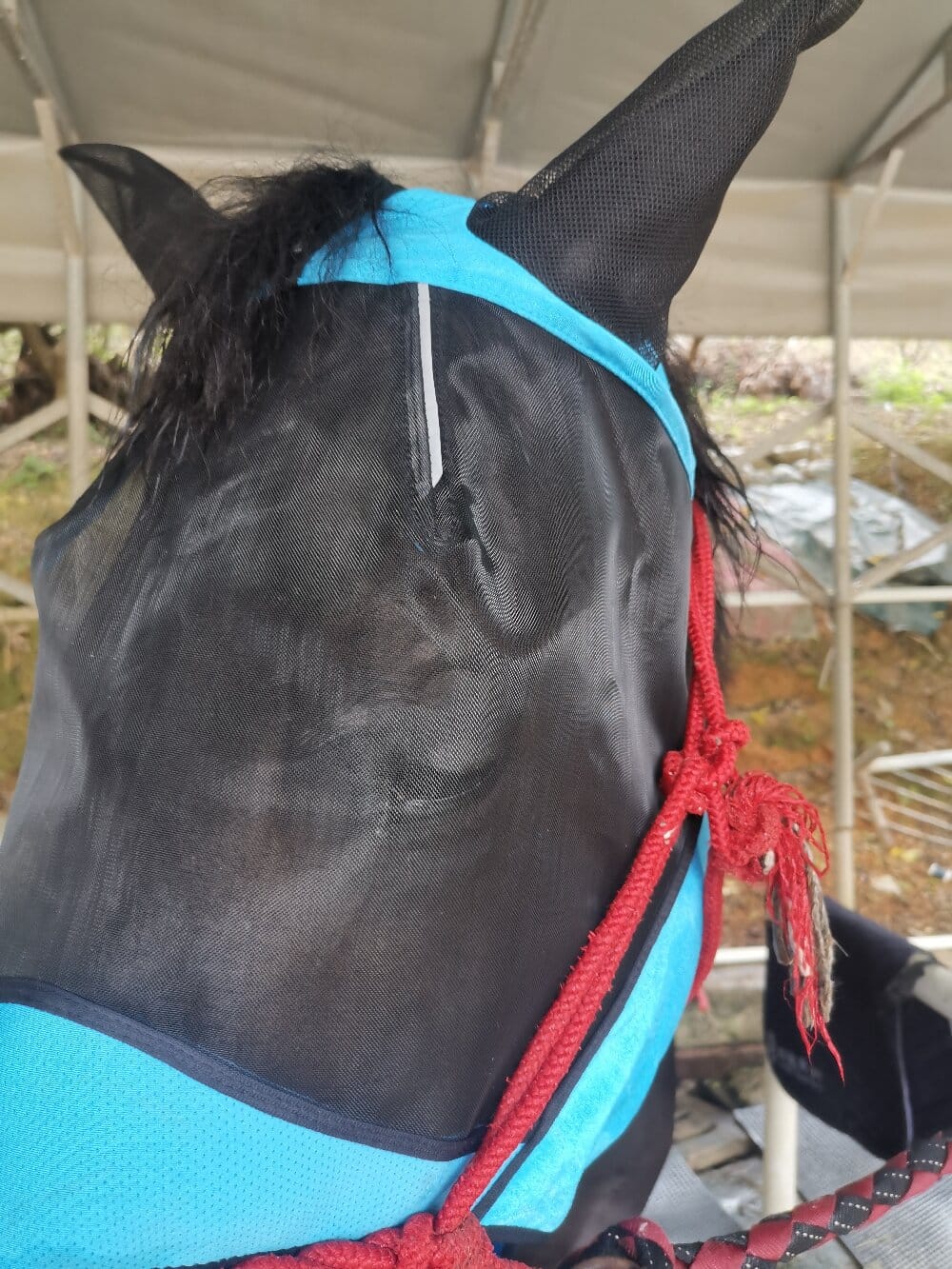
A horse fly mask is more than a simple piece of tack; it is a targeted management tool used to protect horses from flying insects, UV exposure, and the irritation that follows. From a methodology perspective, the effective use of a fly mask begins with identifying the specific threat, selecting the right design, fitting it correctly, and monitoring wear over time. Riders, veterinarians, and stable managers each approach the same product from different angles, which is why a multi-perspective tone matters when evaluating whether a fly mask is genuinely doing its job.
Methodology: Assessing the Need Before Buying
The first step in any sound approach is diagnosis. Not every horse needs the same level of protection. A pastured horse in a wetland area may face relentless biting flies, while a stabled show horse may only need light coverage during turnout. Owners should observe insect pressure, seasonal patterns, and individual sensitivity, including signs such as head tossing, rubbing, and localized swelling. Veterinarians often frame this as a welfare assessment, asking whether the horse is being harassed enough to affect rest, feeding, or behavior.
From a barn manager’s perspective, the methodology shifts toward practicality: how many masks are needed, how often they must be checked, and whether the design suits the herd’s turnout routine. This stage should include a clear checklist:
- Identify the dominant insect species and peak activity times.
- Note the horse’s coat color, eye sensitivity, and history of skin reactions.
- Confirm whether the mask will be worn during turnout, riding, or both.
- Set a inspection schedule for fit, wear, and cleanliness.
Selecting the Right Horse Fly Mask Design
Design choices should follow function. Mesh density, ear coverage, nose protection, and fastener style all affect performance. A fine mesh blocks tiny midges but may reduce airflow, while a coarser mesh offers ventilation at the cost of excluding smaller pests. Ear covers help against gnats but must not trap debris. Nose extensions protect sensitive skin but require careful sizing to avoid rubbing. From an engineering standpoint, the mask should distribute pressure evenly and avoid seams over the eyes.
Multi-perspective input helps here. Trainers value visibility and freedom of movement; owners value durability and ease of laundering; veterinarians value eye protection and reduced risk of corneal injury. A well-chosen mask balances these priorities rather than maximizing any single feature.
Fitting and Monitoring: The Horse Fly Mask in Daily Practice
Correct fit is the difference between protection and irritation. The mask should sit clear of the eyes, allow full eyelid movement, and stay secure without pressing on the poll or cheekbones. Straps should be adjusted so the mask cannot slip over the eyes or be pulled off during rolling. Daily checks should include looking for rubbing, moisture buildup, and debris trapped under the mesh.
Monitoring also means reviewing outcomes. If a horse still shows head tossing or rubbing, the mask may be the wrong type, poorly fitted, or insufficient on its own. Combining a fly mask with fly spray, stable fans, and turnout timing often produces better results than relying on one item. Cleaning the mask regularly prevents dirt and sweat from causing skin irritation and maintains mesh visibility. Replacement should occur at the first sign of stretched fasteners, torn mesh, or faded UV protection.
Conclusion
Treating a horse fly mask as part of a structured management method, rather than an isolated purchase, leads to better welfare and fewer surprises. By assessing insect pressure, choosing a design that matches the horse’s needs, fitting it carefully, and monitoring wear, owners and professionals can make informed decisions from multiple perspectives. The result is a practical, evidence-minded approach that keeps horses comfortable and protected throughout the fly season.