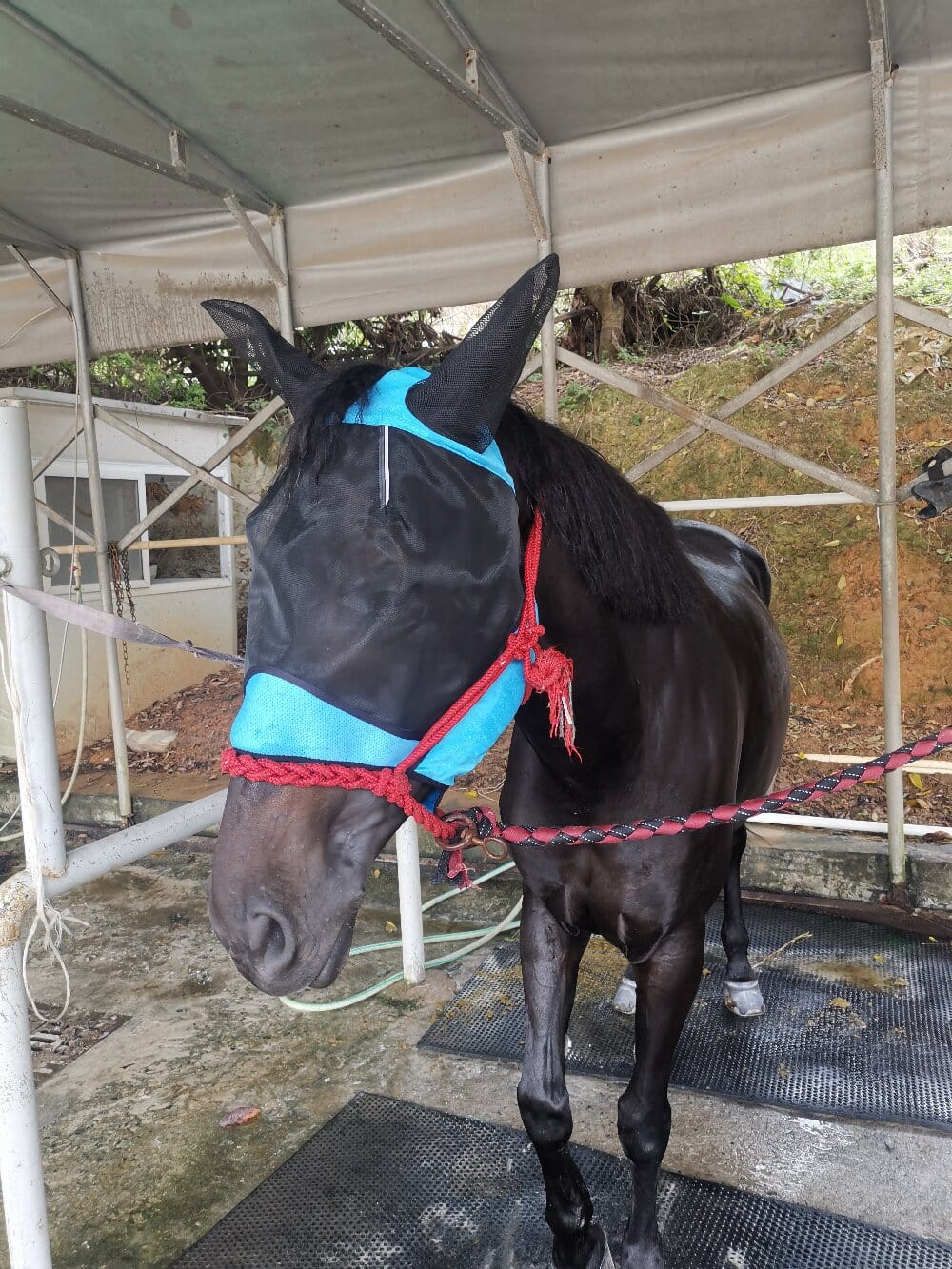
A horse fly mask is a protective piece of equine equipment designed to shield the animal’s face and eyes from flying insects, ultraviolet radiation, and environmental debris. From a methodological standpoint, evaluating the effectiveness of a horse fly mask requires a structured approach that considers material composition, fit, visibility, and durability. Riders and stable managers increasingly rely on these masks as part of an integrated fly control strategy, particularly during warmer months when insect activity peaks. This article examines the design, selection criteria, and practical application of fly masks using an objective, evidence-oriented framework.
Methodology for Selecting a Horse Fly Mask
A systematic selection process helps ensure that the chosen mask meets both the animal’s welfare needs and the owner’s management objectives. The following criteria should be assessed in sequence:
- Material and mesh density: Evaluate whether the fabric blocks small insects such as midges and stable flies while permitting adequate airflow. Finer mesh offers superior protection but may reduce ventilation.
- Fit and adjustability: Measure the horse’s head circumference and check strap placement. A well-fitted mask should remain secure without restricting jaw movement or rubbing the brow band.
- Eye clearance: Confirm that the mesh stays away from the eyes and eyelashes, reducing the risk of corneal irritation.
- UV protection rating: Review manufacturer specifications for ultraviolet blockage, which is relevant for horses with sensitive skin or pale pigmentation.
- Durability and fastening systems: Inspect stitching, edge binding, and hook-and-loop closures to predict longevity under pasture conditions.
Field Evaluation and Performance Assessment
Once a horse fly mask is placed on the animal, observational assessment should follow a defined protocol. Check for signs of discomfort, such as head tossing, rubbing against fences, or attempts to remove the mask. Monitor the skin beneath the straps for chafing after the first few hours of wear. In pasture settings, verify that the mask remains positioned correctly after rolling and grazing. A practical evaluation period of several days allows managers to identify fit issues before prolonged use. Recording these observations supports informed decisions about retention or replacement.
Maintenance and Hygiene Considerations
Regular cleaning extends the service life of any fly mask and supports equine health. Hand washing with mild soap and warm water removes sweat, dust, and insect residue without damaging the mesh. Rinse thoroughly and air-dry away from direct heat sources. Inspect seams and closures weekly for wear, and replace masks that develop holes or loose fasteners. Rotating between two masks can reduce daily wear and ensure continuous protection during laundering.
Limitations and Complementary Measures
Although a horse fly mask provides valuable facial protection, it does not address insects landing on the body, neck, or legs. An effective integrated program combines masks with fly sheets, repellent sprays, stable ventilation, and manure management. Owners should also recognize that some horses tolerate masks readily while others require gradual acclimation. Introducing the mask during a low-insect period and pairing it with positive reinforcement can improve acceptance.
Summary
Applying a methodological approach to the selection and use of a horse fly mask improves both animal comfort and management efficiency. By evaluating mesh quality, fit, eye clearance, UV protection, and durability, owners can choose equipment that performs reliably. Ongoing field observation, routine cleaning, and combination with other fly control measures further enhance outcomes. This structured process supports equine welfare and delivers practical value throughout the insect season.