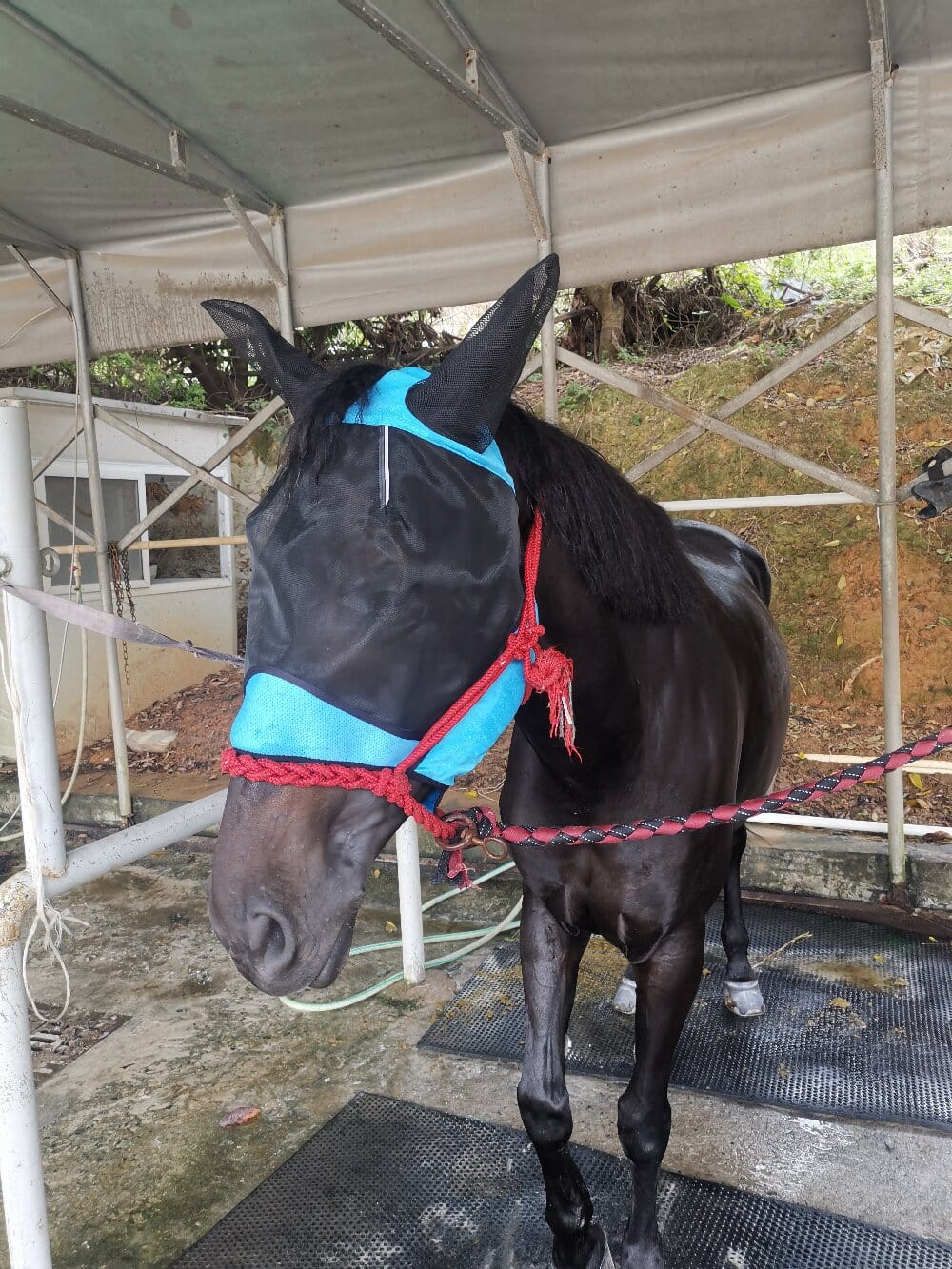
When I first noticed my gelding, Buster, stomping his hooves and tossing his head every summer, I assumed he was just irritated by the heat. It took one swollen, teary eye and a vet visit to make me realize the culprit was flies. That experience pushed me to try a horse fly mask, and what began as a quick fix turned into one of the smartest management decisions I’ve made for my horse’s comfort. In this case study, I’ll walk you through what happened, what I learned, and how the right fly mask changed our entire summer routine.
My Horse Fly Mask Case Study: From Skeptic to Believer
I’ll be honest: I resisted fly masks for years. I worried Buster would hate having something on his face, that it would rub his skin, or that he’d lose it in the pasture within a week. But after that vet bill and a course of ointment, I decided the cost of a quality mask was far cheaper than repeat eye treatments. Here’s how the trial unfolded:
- Week one: I introduced the mask slowly, letting Buster sniff it and rewarding him with treats before buckling it on for short periods.
- Week two: He wore it during turnout for a few hours a day, and I checked daily for rub marks around the ears and nose.
- Week three onward: Full-time turnout wear, with a nightly inspection and a quick rinse of the mask every few days.
The results surprised me. Within days, the head tossing stopped, and Buster seemed noticeably calmer in the field. Over the following months, I dealt with far fewer eye irritations and no more summer flare-ups.
What I Look for in a Fly Mask for Horses
Not all masks are created equal, and my trial-and-error phase taught me a lot. If you’re shopping for fly protection, here’s what I now prioritize:
- Proper fit: The mask should sit clear of the eyes while covering the forehead and cheeks, with room for ears if your horse is sensitive.
- Breathable mesh: Fine mesh blocks tiny insects while letting air circulate, which matters in humid weather.
- UV protection: Many masks also shield against sunburn, a bonus for light-skinned faces.
- Durable closures: Velcro straps and reinforced stitching hold up to pasture life.
- Ear and forelock options: Detachable ears or forelock openings make it easier to customize coverage.
I also learned to buy two masks and rotate them, so one can be washed while the other is in use.
Lessons Learned From My Fly Mask Experiment
Beyond the immediate relief for Buster, this case study taught me a few practical lessons worth sharing:
- Introduce new equipment gradually; patience prevents resistance.
- Check fit and skin condition daily during the first week.
- Wash masks regularly to prevent dirt buildup and skin irritation.
- Keep a spare on hand for laundry days or unexpected damage.
I also discovered that fly masks pair well with other fly-control measures, such as fly sprays, fans in the barn, and prompt manure management. Together, they cut the insect population dramatically.
Final Thoughts on Choosing Fly Protection
Looking back, the horse fly mask turned out to be a small investment with an outsized payoff. It protected Buster’s eyes, reduced stress, and saved me both worry and veterinary costs. If your horse struggles with flies each summer, I’d encourage you to run your own trial: start slowly, check the fit, and stay consistent. With the right mask and a bit of routine care, you can make fly season far more comfortable for your horse and far less stressful for you.