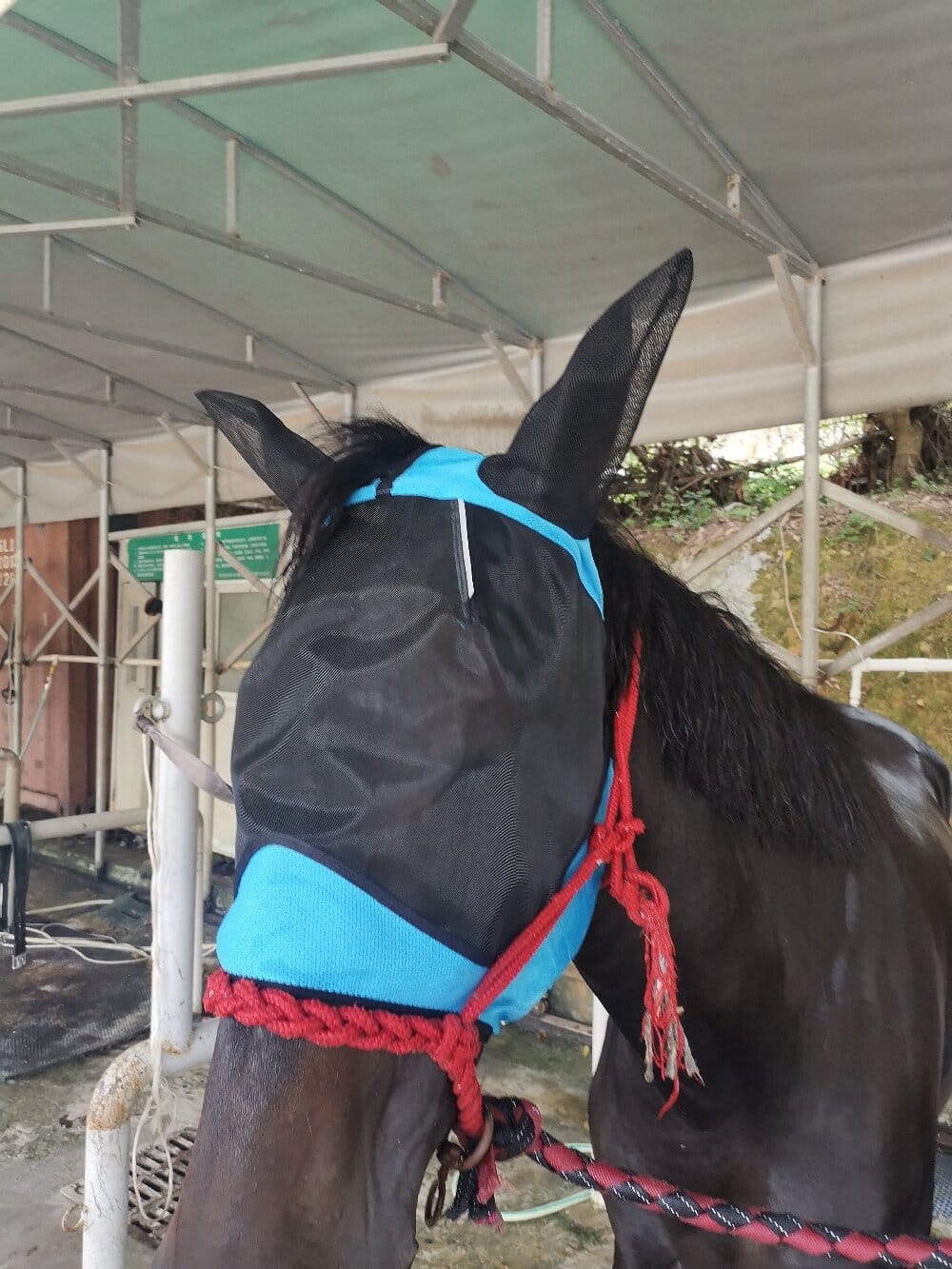
I used to think a horse fly mask was just one of those extra barn supplies you buy when you have money burning a hole in your pocket. Then I spent one brutal July watching my mare stomp, toss her head, and rub her face raw against every fence post she could find. That was the summer I changed my methodology entirely. Instead of reacting to flies after the damage was done, I built a deliberate, step-by-step approach to fly management—and the fly mask became the foundation, not an afterthought.
My Methodology for Choosing a Horse Fly Mask
When I say “methodology,” I mean a repeatable process. I don’t just grab whatever mask is on sale. I evaluate each option against a specific set of criteria, and I test them in real pasture conditions. Here is how I break it down:
- Fit and adjustability: A mask that shifts sideways is worse than no mask at all. I check whether the straps allow fine-tuning around the ears and under the jaw.
- Coverage: Some designs protect only the eyes, while others extend down the nose. For horses prone to sunburn or pink skin, I lean toward fuller coverage.
- Material and airflow: Mesh density matters. Too tight, and the face gets sweaty; too loose, and tiny gnats slip through.
- Durability: I tug on the seams, inspect the binding, and look at how the eye darts are reinforced. Cheap stitching fails fast in a herd.
- Visibility: I want my horse to see clearly out of the mask. Dark or opaque eye areas can spook a nervous animal.
I apply this same checklist every spring, and it has saved me from wasting money on masks that fall apart within a week.
Testing in the Field: What Actually Worked
Once I narrowed my choices, I ran a simple field trial. I rotated three different styles across two horses for a month. I recorded rub marks, sweat buildup, and how often the mask stayed in place after turnout. The results were genuinely surprising. The most expensive option was not the winner. A mid-priced mask with soft fleece edging and a well-shaped nose flap outperformed everything else. My gelding, who normally destroyed fly gear in days, wore it for an entire season without a single rip. That taught me that price and quality are not the same thing—testing is what matters.
Common Mistakes I Made (So You Can Avoid Them)
My early attempts were full of errors. I bought masks without measuring my horse’s head, which led to constant slipping. I ignored ear placement, so the mask rubbed the base of the ears raw. I also made the mistake of leaving a wet mask on after rain, which caused skin irritation. Now I keep two masks per horse in rotation, so one can dry while the other is in use. I also wash them weekly with a gentle detergent—not just to keep them clean, but to remove sweat and dirt that attract flies in the first place.
Another lesson: fly masks are not a standalone solution. I pair them with fly spray, fans in the barn, and careful manure management. The mask handles the face, but the environment handles the rest.
Practical Tips for Getting the Most From Your Mask
- Measure your horse’s head before buying—length from poll to nose and width around the jaw.
- Introduce the mask gradually with treats and short sessions so it does not feel like a trap.
- Check daily for rubbing, especially behind the ears and under the chin.
- Keep a spare on hand during peak fly season.
- Store masks clean and dry when not in use to extend their lifespan.
Final Thoughts on My Fly Mask Methodology
Building a method around fly protection changed my horse’s summer completely. No more rubbed faces, no more frantic head tossing, and no more guessing which product works. A well-chosen fly mask, tested and maintained with intention, is one of the most cost-effective pieces of care you can provide. Start with fit, verify with field testing, and stay consistent. Your horse will thank you—and you will finally enjoy fly season instead of dreading it.