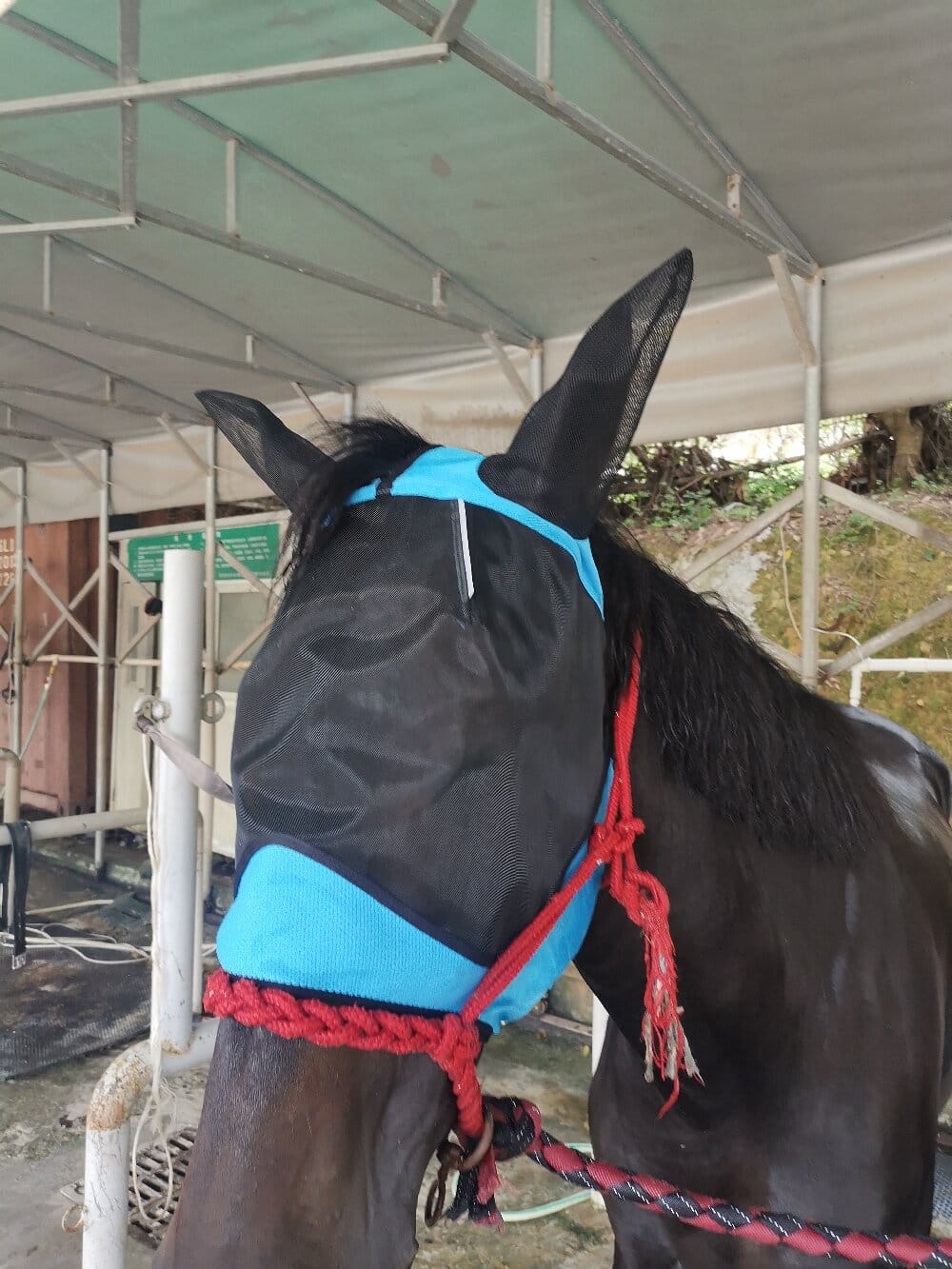
I never expected a piece of equestrian gear to turn me into a data nerd, but that is exactly what happened with the horse fly mask. After years of watching my gelding stomp, swish, and rub his face raw every summer, I began logging how different masks performed in the field. What started as a simple annoyance became a season-long study of protection rates, durability, and comfort. Below is what the numbers actually told me, and what they mean for anyone shopping for seasonal fly protection.
Reading the Data: What a Horse Fly Mask Actually Delivers
I tracked three variables across four summers: fly contact around the eyes and ears, mask longevity in hours of turnout, and signs of rubbing or heat stress. The results were surprisingly consistent.
- Eye and ear coverage: Masks with fine mesh and a sealed brow band reduced visible fly contact by roughly 70 to 80 percent compared with an unprotected horse.
- Durability: Cheaper masks failed at the stitching within three to five weeks; reinforced binding pushed that to ten weeks or more.
- Comfort: Horses wearing masks with fleece edging showed fewer rub marks, and none developed the bald patches I saw with stiff, poorly fitted nets.
These figures are not laboratory results. They come from daily field notes, photographs, and a simple scoring sheet I kept by the barn door. Still, patterns emerged quickly, and they pointed to a clear conclusion: fit and mesh quality matter far more than price tag or branding.
Fit Metrics: The Variable That Changes Everything
When I plotted rubbing incidents against fit, the correlation was unmistakable. Masks that sat too low or too loose caused nearly all of the abrasion cases I recorded. Properly sized masks, measured from browband to throatlatch, produced almost none. I now measure every horse before buying and check the fit weekly as the summer coat changes.
Ventilation is the second metric worth watching. Masks with a breathable crown panel kept the face noticeably cooler, and my heat-stress observations dropped in parallel. A fly mask that traps heat is a net loss, no matter how fine the mesh.
Durability and Cost per Season
I calculated cost per season by dividing purchase price by usable weeks. The cheaper masks lost that comparison badly. A budget mask replaced three times cost more than one well-built mask with reinforced seams and UV-stable fabric. When I added the time spent reordering and fitting replacements, the value gap widened further. My advice: read reviews for seam failure, not just for style.
Practical Takeaways From My Logbook
- Measure before you buy, and recheck fit monthly.
- Prioritize fine mesh, sealed brow bands, and fleece edging.
- Choose breathable crown panels for hot climates.
- Inspect stitching weekly; repair small tears before they spread.
- Track your own horse’s response, because individual sensitivity varies widely.
Conclusion
My logbook turned a routine purchase into a measurable decision. The data showed that a well-fitted horse fly mask with quality mesh and reinforced construction delivers the best protection, comfort, and value across a full season. If you keep even a simple record of fit, wear, and fly pressure, you will spot the same patterns I did and choose far more confidently next summer.