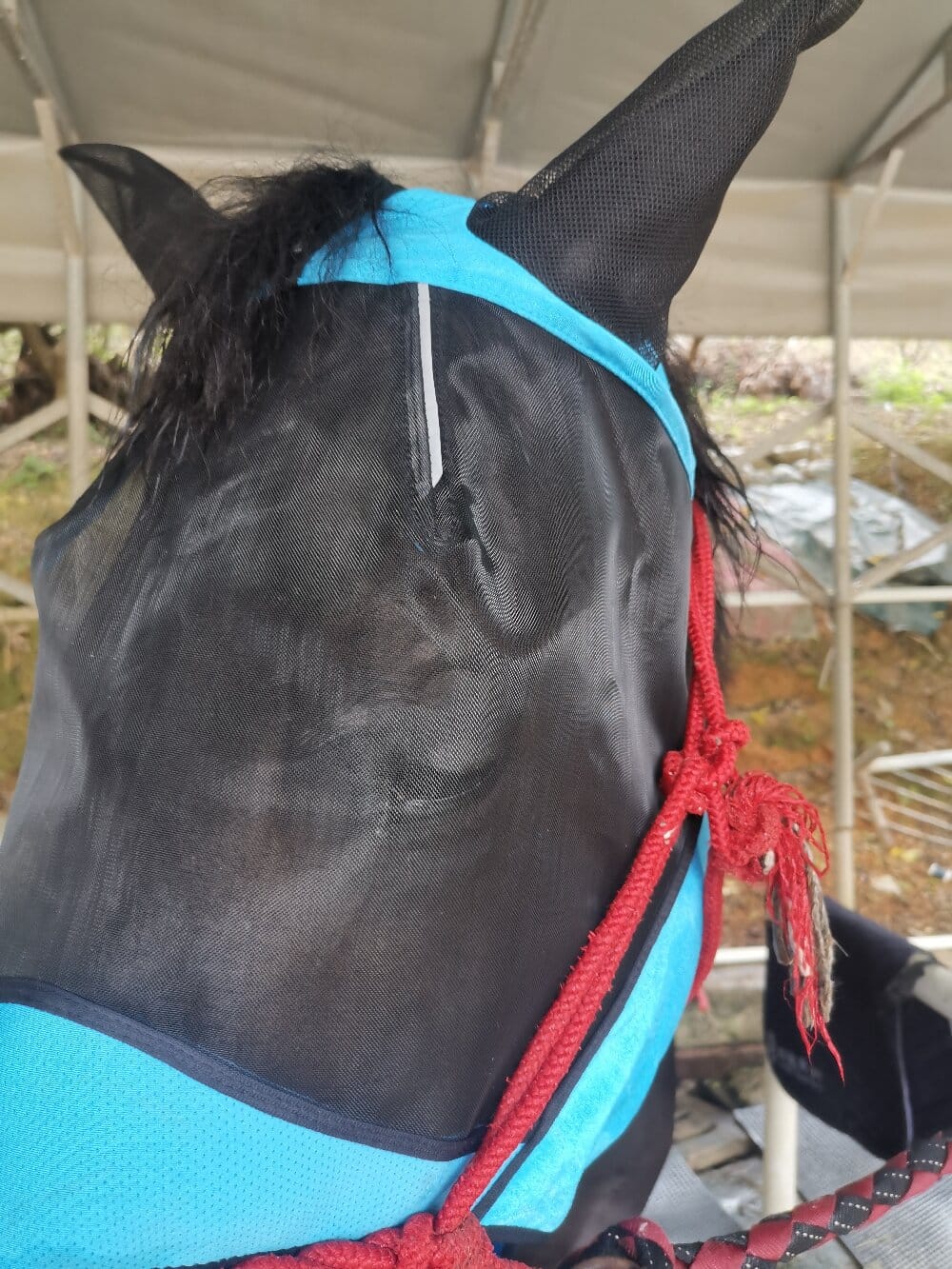

In the equestrian equipment market, the horse fly mask has evolved from a seasonal accessory into a data-driven category of equine protective gear. Market researchers and barn managers alike are tracking purchase patterns, seasonal demand fluctuations, and user-reported outcomes to evaluate how these mesh face covers perform in real-world conditions. Interpreting this data reveals not only why owners invest in them, but also how design choices influence protection, durability, and horse comfort.
Reading the Numbers Behind Horse Fly Mask Sales
Seasonal sales data consistently shows a sharp spike in demand for fly masks beginning in late spring and peaking midsummer, correlating with fly and insect activity cycles. Retail analytics indicate that repeat purchases cluster among owners in humid, pasture-heavy regions, where insect pressure is highest. When researchers segment sales by design type, masks with ear coverage and nose extensions consistently outsell basic eye-only models, suggesting that consumers prioritize full-face protection once they experience the difference.
Return and review data add another layer of insight. Products with adjustable straps and fleece binding report lower return rates, while sizing complaints concentrate in certain head shapes, particularly draft breeds and ponies. This pattern tells manufacturers that fit variability, not material failure, is the primary driver of dissatisfaction.
Performance Metrics: What Field Data Reveals About Protection
Veterinary and entomological studies provide measurable outcomes that inform product evaluation. Data points commonly examined include:
- Reduction in insect landings on the face and eyes when masks are fitted correctly
- Decreased incidence of eye irritation and conjunctivitis during peak fly season
- UV blocking percentages for masks with mesh rated for sun protection
- Durability scores based on tear resistance and strap integrity over a season
Interpreted together, these metrics show that a well-fitted equine fly mask with fine mesh and secure fastening delivers statistically meaningful protection, while ill-fitting masks show negligible benefit and higher removal rates by horses themselves.
Design Variables and Their Measurable Impact
Comparative analysis of mask features highlights clear trade-offs. Fine mesh blocks smaller insects but reduces airflow, which matters in hot climates; coarser mesh improves ventilation but allows tiny biting midges through. Ear coverage reduces head-shaking behavior according to observational data, yet some horses show increased resistance to masks with stiff ear cups. Data from owner surveys suggests that breathable fabrics, soft binding, and generous eye darts correlate with higher tolerance and longer wear times.
Color and reflectivity data are less conclusive for insect protection, though light-colored mesh shows slightly lower heat absorption in temperature readings. Manufacturers increasingly use this information to refine patterns rather than overhaul materials.
Interpreting Usage Data for Better Outcomes
Tracking how often masks are worn, removed, or damaged provides practical guidance. Barn records indicate that daily inspection and cleaning extend usable life significantly, and that masks rotated between turnout and stabling last longer than those used continuously. Data also shows that horses introduced to masks gradually accept them more readily, reducing removal attempts. Owners who measure fit—checking clearance over the eyes and room for ears—report fewer rubs and better compliance.
Conclusion
Data interpretation transforms the horse fly mask from a simple purchase into an informed decision. Sales trends reveal seasonal urgency, performance metrics confirm protective value, and design comparisons expose trade-offs between airflow, coverage, and comfort. For equestrians, the takeaway is straightforward: prioritize accurate fit, appropriate mesh density, and durable construction, then monitor wear and cleaning habits. Approached with data rather than guesswork, fly mask selection becomes a measurable investment in equine comfort and eye health.