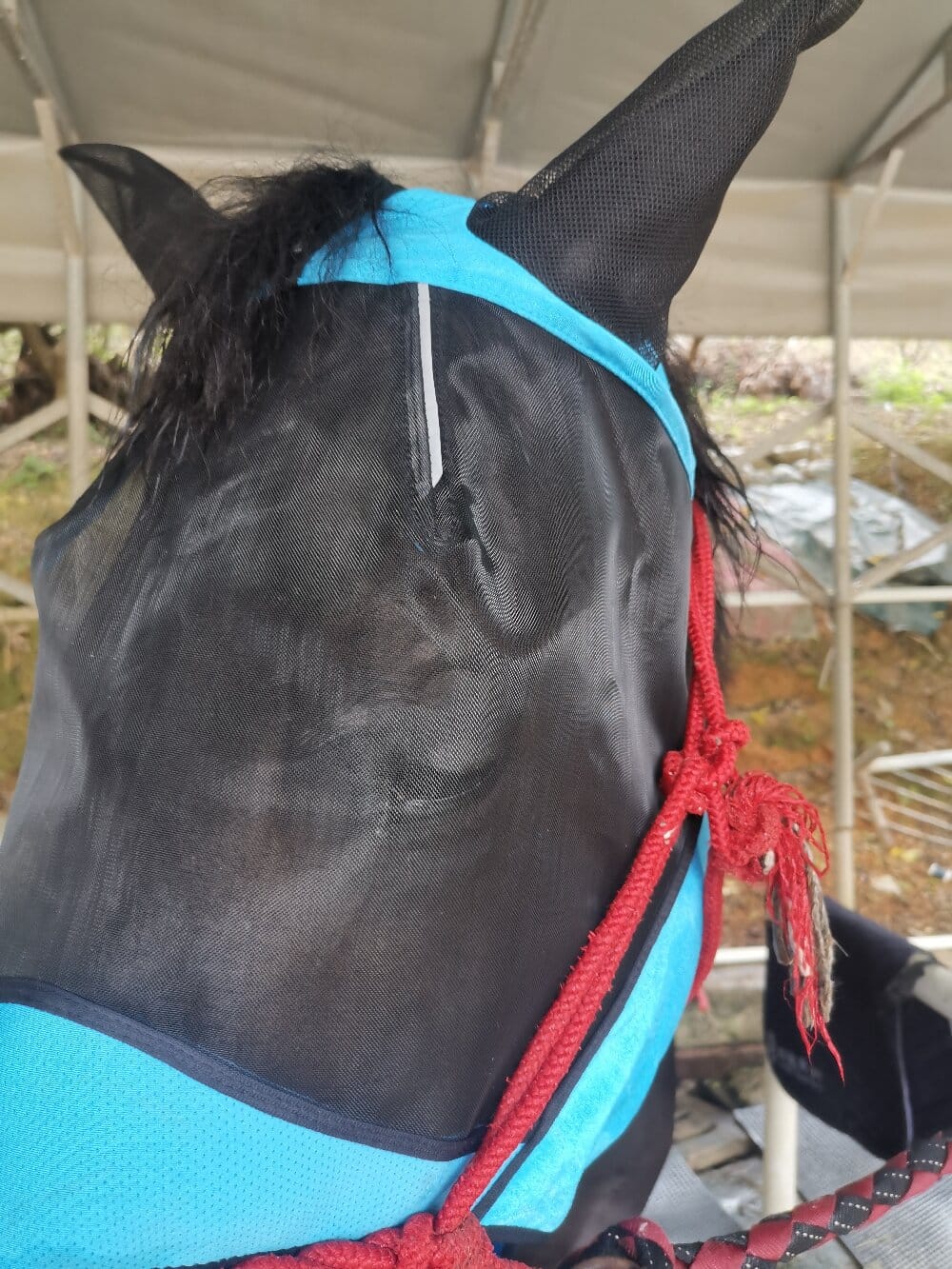
As equine care continues to advance, the horse fly mask is expected to transform from a simple mesh barrier into a sophisticated piece of wearable technology. Future predictions suggest that within the next decade, these essential protective accessories will integrate smart materials, environmental sensors, and data-driven design to offer unprecedented comfort and defense against flying insects. For horse owners, veterinarians, and stable managers, understanding where this product category is heading will help in planning purchases and management strategies that align with emerging standards of equine welfare.
Smart Fabrics and Adaptive Protection in Horse Fly Mask Design
Future horse fly mask designs are projected to incorporate adaptive fabrics that respond to environmental conditions. Researchers and manufacturers are likely to develop meshes with variable pore sizes, allowing airflow to increase on hot days while tightening against tiny biting midges when insect activity peaks. Phase-change materials embedded in the browband and nose fringe could help regulate temperature around the horse’s face, reducing sweat accumulation and skin irritation. These innovations would address a persistent challenge: balancing ventilation with reliable exclusion of flies, a trade-off that current static mesh designs often struggle to perfect.
Another anticipated development involves self-cleaning surfaces. Nanocoating technologies, already emerging in human sportswear, may be applied to fly masks to repel dust, mud, and organic debris. This would extend the interval between washings and maintain visibility through the eye openings, a critical factor for horses that wear masks during turnout and riding.
Sensor Integration and Health Monitoring
Looking further ahead, the horse fly mask could serve as a platform for passive health monitoring. Miniaturized sensors woven into the fabric might track head movement, ear position, and skin temperature, providing early indicators of discomfort, stress, or illness. Data could transmit wirelessly to a smartphone application, alerting caretakers to subtle changes before clinical signs become obvious. While such features raise questions about durability, battery life, and cost, the convergence of wearable technology and equine management makes this scenario increasingly plausible.
Insect-repellent delivery systems are also expected to evolve. Rather than relying solely on topical sprays applied before masking, future masks may feature controlled-release microcapsules containing natural repellents such as citronella or geraniol. These capsules would activate gradually with movement and friction, offering sustained protection without frequent reapplication.
Materials, Fit, and Sustainability Considerations
Environmental responsibility is likely to shape future production. Manufacturers are predicted to shift toward recycled polymers and biodegradable mesh fibers, reducing the plastic footprint of disposable or short-lived masks. Fit customization should improve as well, with three-dimensional scanning and parametric design allowing owners to order masks tailored to individual head shapes. Better fit means fewer gaps where flies can enter and less rubbing that causes rub sores, a common complaint with generic sizing.
- Anticipated material advances: recycled mesh, biodegradable fringe, UV-stabilized stitching.
- Expected design features: ear covers with acoustic mesh, quick-release breakaway straps, reflective trim for visibility.
- Projected market trends: subscription-based replacement programs and trade-in recycling schemes.
Conclusion
The future of equine fly protection appears bright and increasingly intelligent. The horse fly mask is poised to become a multifunctional tool that combines insect exclusion, climate adaptation, health monitoring, and sustainable manufacturing. While some predictions remain speculative, the direction of travel is clear: greater precision, better materials, and a stronger emphasis on horse comfort. Owners who stay informed about these developments will be well positioned to adopt new solutions as they reach the market, ensuring their animals benefit from the next generation of protective equipment.