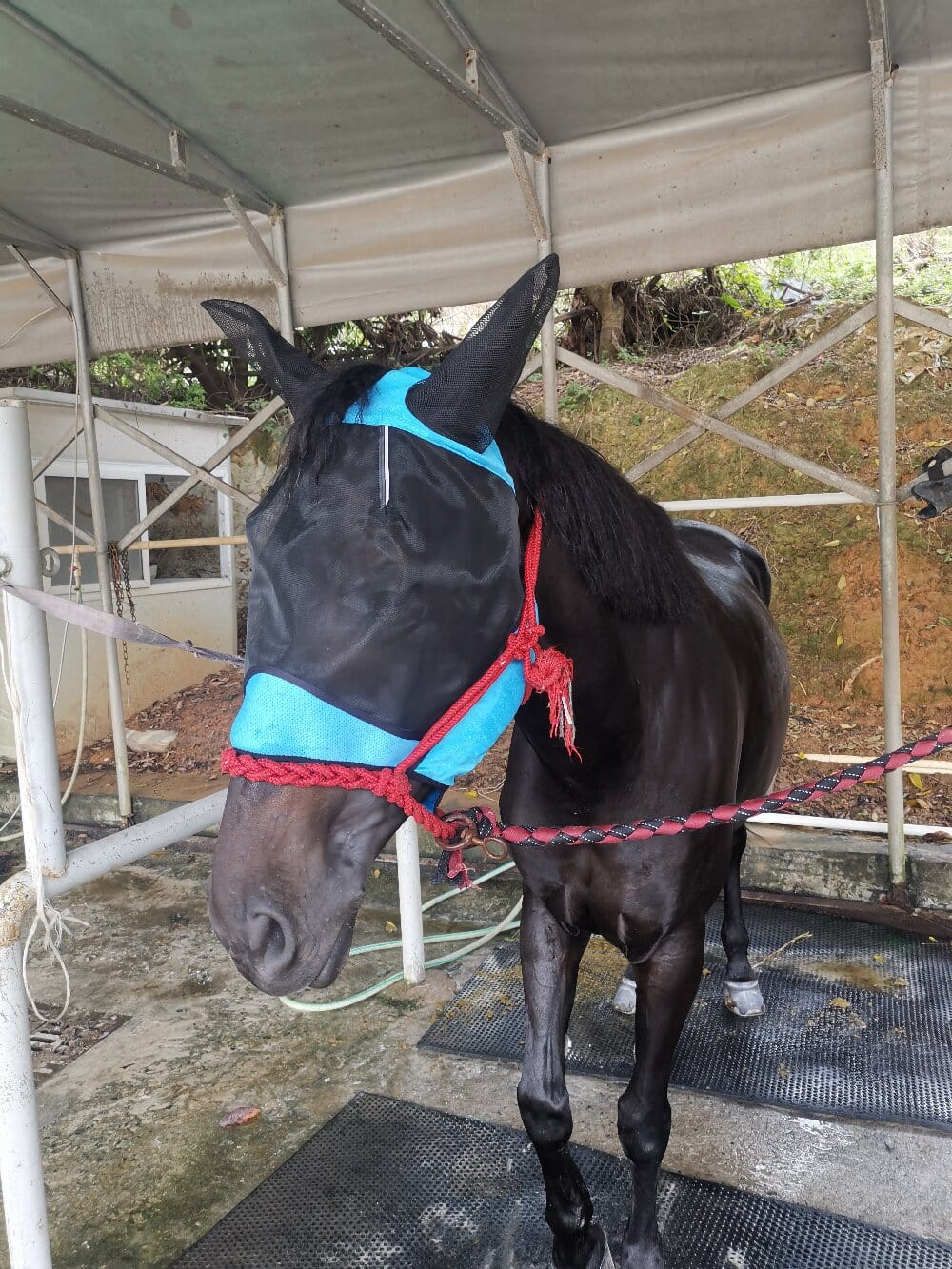
As equine care moves deeper into the next decade, the humble horse fly mask is poised to become one of the most technologically advanced pieces of tack in the stable. No longer a simple mesh barrier, the future horse fly mask will merge smart materials, sensor technology, and sustainable design to deliver unprecedented comfort and protection for horses in pasture, paddock, and performance settings. Industry observers predict that by the early 2030s, these protective face coverings will shift from passive shields to active, data-driven systems that safeguard equine health in ways riders can barely imagine today.
Smart Fabrics and the Next-Generation Horse Fly Mask
Material science will be the engine behind the coming transformation. Tomorrow’s fly masks for horses are expected to use self-cleaning, breathable fabrics embedded with micro-mesh structures that repel insects more effectively while blocking harmful UV rays. Researchers are already exploring insect-repellent fibers infused with natural compounds that release slowly over time, reducing the need for topical sprays. Thermal-regulation technology will also play a role, with phase-change materials that keep the face cool during summer heat and prevent fogging around the eyes. For sensitive horses prone to sweet itch and seasonal allergies, these advanced coverings could significantly reduce irritation and vet visits.
Sensor Integration and Equine Fly Protection
The next frontier will be connectivity. Forward-looking manufacturers are likely to embed lightweight biometric sensors into protective fly masks, monitoring heart rate, body temperature, and fly-pressure levels around the face. Data could sync wirelessly to a smartphone app, alerting owners when insect activity spikes or when a horse shows signs of stress. Solar-powered charging threads and durable, waterproof electronics will make these smart masks practical for turnout in all weather. Farriers, veterinarians, and trainers may one day rely on aggregated data from these devices to make herd-management decisions, turning everyday insect protection into a broader equine wellness tool.
Sustainability and Custom Fit in Future Fly Masks
Environmental responsibility will shape design as much as technology. Future fly masks are expected to be built from recycled and biodegradable polymers, with modular components that can be replaced rather than discarded. Custom-fit scanning, using smartphone cameras and simple measurement guides, could allow owners to order masks tailored to each horse’s unique head shape, reducing rubbing and improving coverage. Adjustable ear and nose sections, reflective stitching for visibility, and color options that support herd identification will round out the feature set. The result will be longer-lasting, more comfortable gear that reduces waste and cost over time.
What Riders and Stable Managers Should Expect
Looking ahead, the evolution of the horse fly mask will follow several clear trends:
- Active insect deterrence built into the fabric rather than applied on top of it
- Health-monitoring sensors that support early detection of stress and irritation
- Fully recyclable materials and replaceable parts that extend product life
- Precision fit achieved through simple at-home scanning tools
- Integration with broader smart-stable and herd-management platforms
These developments will make equine fly protection more effective, more comfortable, and more environmentally sound, while giving owners deeper insight into their horses’ daily wellbeing.
Conclusion
The future horse fly mask will be far more than a seasonal accessory. It will combine advanced textiles, smart sensors, and eco-conscious design to protect horses from insects, UV exposure, and heat stress while providing valuable health data to caretakers. As these innovations reach the market over the coming years, riders and stable managers can expect protective face gear that is smarter, greener, and better tailored to each individual horse, setting a new standard for everyday equine care.