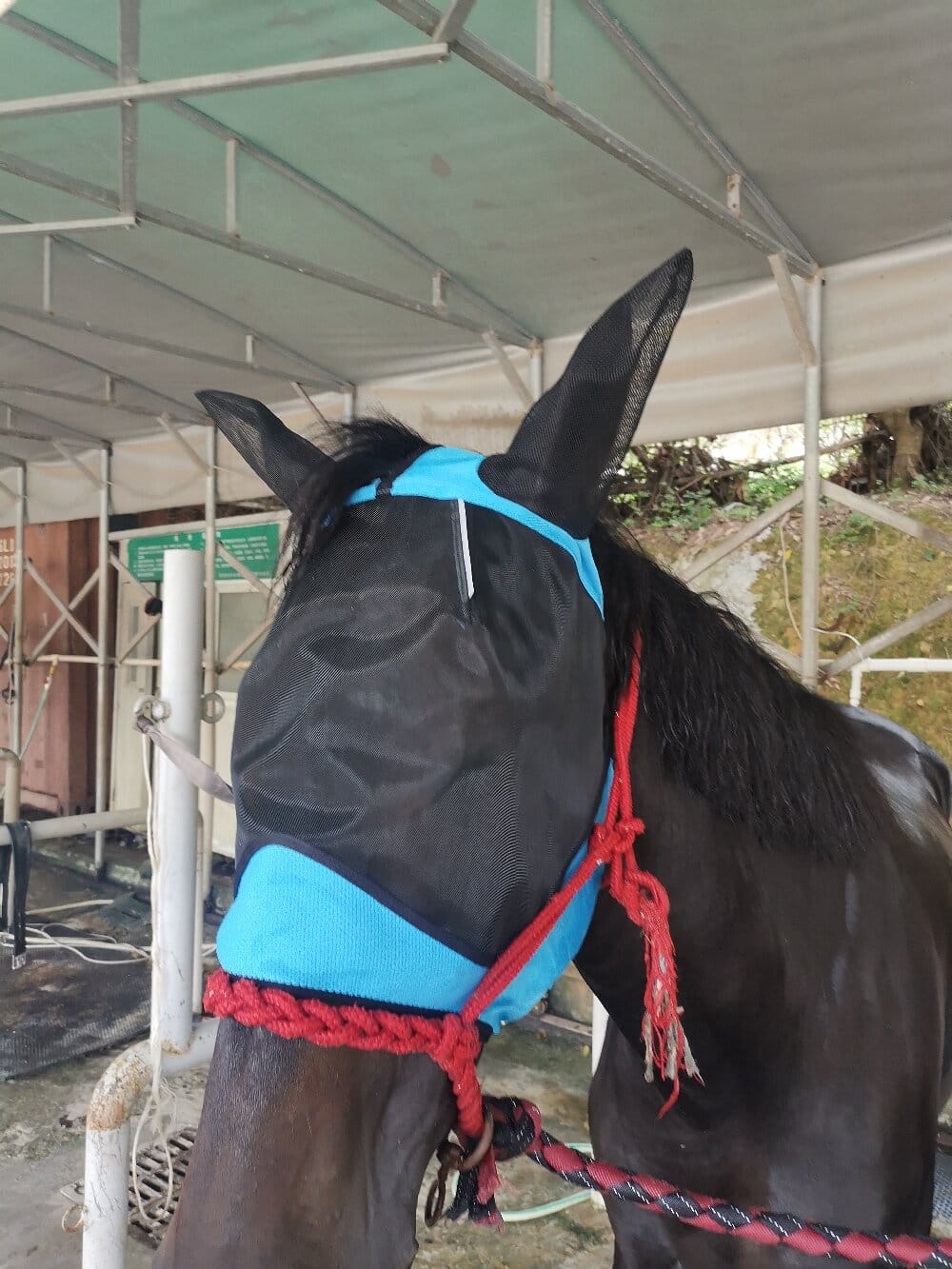
By the next decade, the horse fly mask is expected to evolve from a simple mesh shield into a sophisticated piece of wearable equine technology. As summers grow longer and insect populations expand due to shifting climate patterns, horse owners will increasingly rely on advanced fly masks to protect their animals from biting flies, gnats, and UV exposure. Industry analysts predict that the global equine protective gear market will see steady growth, with fly masks becoming one of the most frequently upgraded items in the tack room.
Smart Fabrics and the Next Generation of Horse Fly Mask Design
Future horse fly mask designs will likely incorporate smart textiles that adapt to environmental conditions. Researchers are already experimenting with breathable, insect-repellent microfibers that release natural deterrents over time, reducing the need for topical sprays. By the late 2020s, consumers can expect masks with built-in sensors that monitor temperature and fly activity, alerting caretakers through smartphone apps when a horse appears stressed or when insect pressure peaks. These innovations will transform the humble fly mask into a data-driven health tool.
Key predicted features include:
- Self-cleaning mesh that resists dirt and sweat buildup
- Solar-powered cooling inserts for hot summer days
- Adjustable ergonomic straps designed to reduce rubbing and pressure points
- Reflective threading for visibility during evening turnout
Manufacturers will also focus on durability and sustainability, using recycled polymers and biodegradable packaging to appeal to eco-conscious equestrians. The horse fly mask of tomorrow will be judged not only on protection but also on its environmental footprint.
Customization and Fit Will Define the Market
Looking ahead, customization will become a standard expectation rather than a luxury. Three-dimensional scanning technology, already used in human apparel, is expected to enter the equine market, allowing owners to capture precise facial measurements and order masks tailored to individual horses. This shift will reduce slippage, improve comfort, and lower the risk of eye irritation. Breed-specific and discipline-specific designs—such as streamlined versions for sport horses and reinforced masks for pasture turnout—will proliferate, giving caretakers more precise options than ever before.
Veterinarians are also expected to play a larger role in product development. As research highlights the link between fly bites and equine infectious diseases, including insect-borne viruses, fly masks may be marketed alongside veterinary recommendations. Future models could feature removable medicated liners or antimicrobial treatments, bridging the gap between protective gear and preventive care.
What This Means for Horse Owners
The coming years will bring both opportunity and complexity. Owners will benefit from better protection, improved comfort, and smarter monitoring, but they will also face a more crowded marketplace with varying quality standards. Experts predict that certification programs and standardized testing for UV protection and insect resistance will emerge, helping buyers make informed decisions. Price points will range widely, from affordable everyday masks to premium tech-enabled versions.
To prepare, equestrians should stay informed about emerging materials and fit technologies, and they should replace worn masks promptly to maintain effectiveness. As insect seasons intensify, investing in a well-fitted, forward-looking fly mask will remain one of the simplest and most impactful ways to safeguard a horse’s health and comfort.
Conclusion
The future of equine eye protection looks bright, innovative, and increasingly personalized. With smart fabrics, custom fit, and veterinary-informed design on the horizon, the horse fly mask will continue to play a vital role in equine welfare. Owners who embrace these advancements early will be well positioned to keep their horses comfortable, healthy, and protected for years to come.