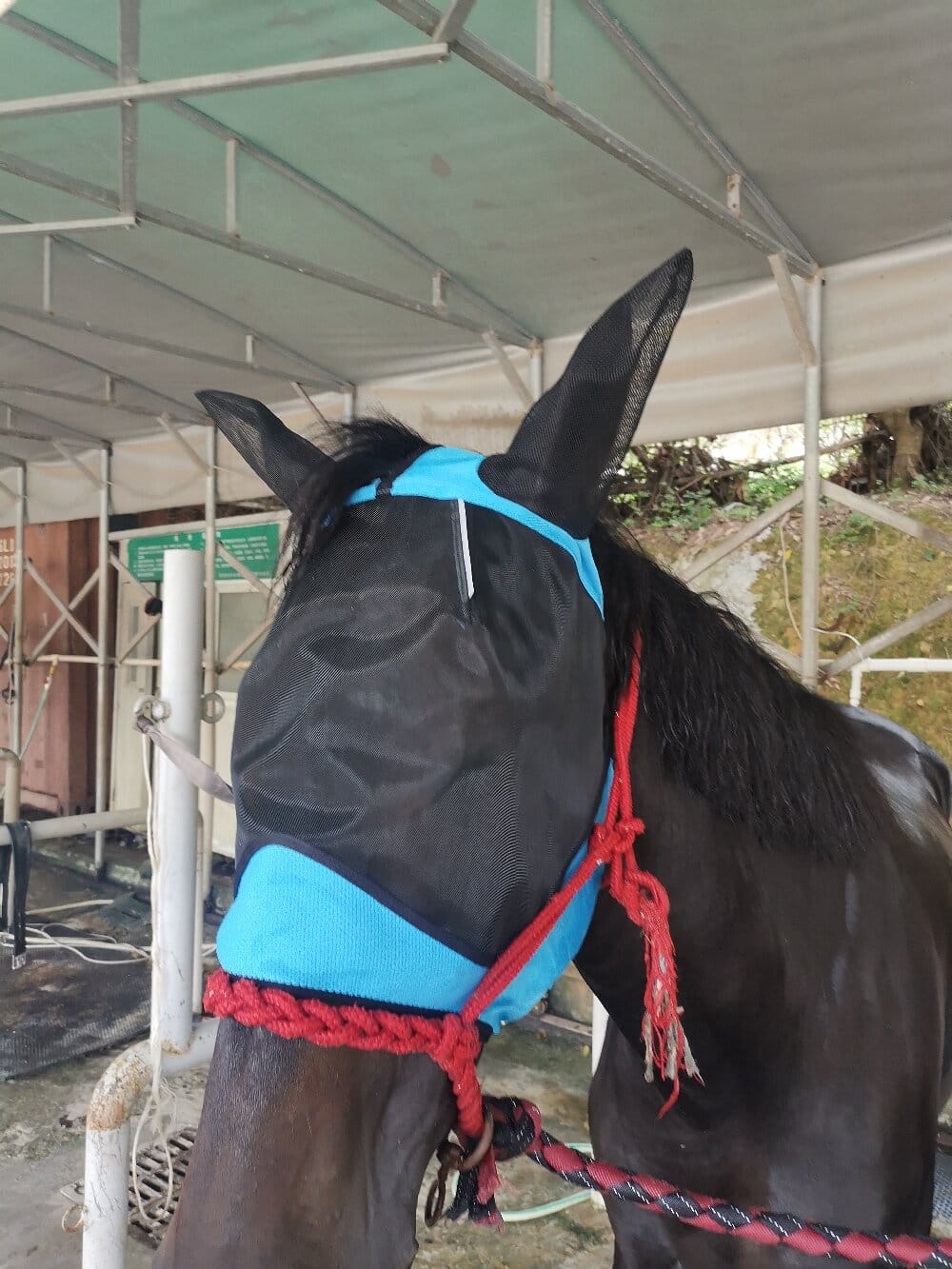
If you’ve noticed more sophisticated designs appearing in tack rooms and online stores lately, you’re witnessing the rapid evolution of the horse fly mask. Today’s models are no longer simple mesh hoods; they’re precision-engineered pieces of protective gear built around comfort, visibility, and durability. As a rider, you want protection that actually stays on during turnout, doesn’t rub, and holds up to mud, sweat, and UV exposure. The newest trends deliver exactly that—and understanding them helps you choose wisely for your horse’s needs this season.
Smart Fabrics Are Redefining Fly Protection
The biggest shift in the current market is fabric technology. Manufacturers are moving beyond basic polyester mesh toward woven materials with built-in UV-blocking capabilities, breathability ratings, and anti-rub linings. You’ll see labels highlighting UPF protection, moisture-wicking panels, and soft binding edges that reduce pressure points. These upgrades matter because a fly mask that traps heat or chafes behind the ears quickly becomes a nuisance your horse tries to remove. When you shop, look for:
- Breathable mesh with a tested UV rating for summer turnout
- Fleece or smooth-lined browbands and nosebands to prevent rubbing
- Lightweight construction that won’t sag or shift during movement
- Quick-dry materials that perform well in humid climates
Fit and Coverage: The New Standard in Horse Fly Mask Design
Fit has become a headline feature rather than an afterthought. Modern designs offer adjustable throat straps, elasticized crown sections, and extended nose coverage that protects sensitive areas without restricting the nostrils. You’ll also find masks with ear coverage—either attached or removable—which is a major trend for horses bothered by biting insects around the head. The key is finding a balance: enough coverage to shield the eyes, ears, and muzzle, but not so much bulk that the mask becomes uncomfortable or limits peripheral vision. Many brands now publish detailed sizing charts and offer multiple sizes beyond the traditional cob, horse, and draft categories.
Design Details That Reflect Current Trends
Beyond function, today’s fly masks are increasingly stylish. Color-blocked patterns, reflective piping for visibility, and coordinated ear bonnets are popular among riders who want gear that looks as good as it performs. Reflective trim is especially useful if you ride at dawn or dusk. Removable nose pieces and convertible designs—where a full-face mask transforms into an eye-only version—are another trend worth noting, giving you flexibility across seasons and activities. If you show or clip your horse, you’ll appreciate masks with streamlined profiles that sit neatly under a bridle or halter.
How to Choose the Right Mask for Your Horse
Before you buy, consider your horse’s specific challenges. Does he rub his face on fences? Look for reinforced binding and durable stitching. Is he turned out in bright sun all day? Prioritize UV protection and breathability. Does he panic at ear coverage? Start with a mask that leaves ears free. You should also:
- Measure your horse’s head accurately using the brand’s sizing guide.
- Check for clearance around the eyes so lashes don’t touch the mesh.
- Inspect straps for adjustability and secure fastenings.
- Wash the mask regularly according to care instructions to maintain mesh integrity.
Final Thoughts
The modern horse fly mask has evolved into a thoughtful piece of equine equipment, blending advanced fabrics, better fit, and practical design. By following the latest trends—smart materials, adjustable coverage, and convertible features—you can protect your horse from flies and UV rays while keeping him comfortable. Choose based on fit and function first, and you’ll get seasons of reliable protection that both you and your horse will appreciate.